
GitHub Adds a Starlink Token Pattern and Refines Secret Scanning
GitHub's latest secret scanning update adds a Starlink credential detector and narrows matches for several providers. Here's what the change covers.
On this page
A leaked credential can be a long random string hidden in a repository history, a public example, or a test fixture that was never meant to ship. GitHub’s latest secret-scanning update adds one more provider format and narrows several existing detectors. The practical value is not a new promise that every secret will be found; it is a little more coverage with less noise in specific cases.
On November 5, GitHub added a detector for starlink_public_api_v2_secret and announced SpaceX as a secret-scanning partner. The same update adjusts matching for selected token patterns from Alibaba, AWS, Google Cloud Storage, OpenVSX, Pydantic Services, and Tencent. GitHub describes the changes as additional false-positive filtering, with the exact matching rules varying by detector. [1]
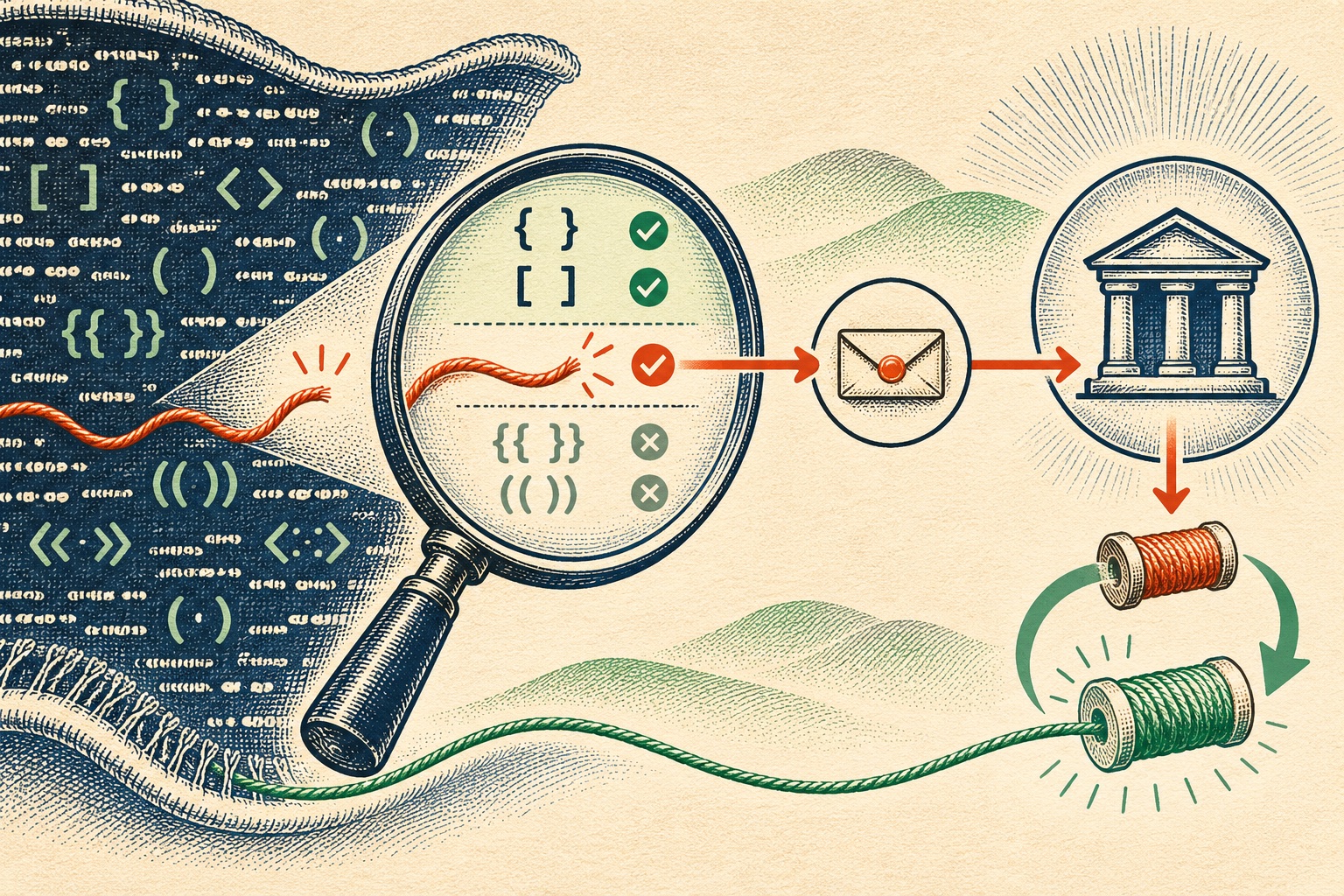
One new pattern, two different response paths
The new SpaceX pattern is called starlink_public_api_v2_secret. GitHub says partner secrets discovered in public repositories are automatically reported to the issuing provider through its secret-scanning partnership program, giving the provider a chance to revoke or rotate the credential. GitHub distinguishes these from “user” secrets: those generate secret-scanning alerts when found in public or private repositories. [1] [2]
That distinction matters to repository owners. Detection and response are separate jobs. A repository alert gives maintainers a place to investigate and take action. A partner report can put a provider in a position to invalidate a token from its side. Neither process makes a committed secret harmless. If a real credential is exposed, the right response is to revoke or rotate it, inspect logs for use, and remove the value from active branches and wherever else it was copied. Deleting a line from the latest commit does not undo exposure in earlier commits or in clones.
GitHub’s documentation describes secret scanning as a way to detect known secret formats in repository content. The set of supported patterns is finite and maintained; the November update adds one specific SpaceX type rather than an open-ended detector for every credential. Teams should check the supported types relevant to their providers and keep using each provider’s own rotation and incident-response guidance. [3] [4]
Less noise is useful only when scope stays clear
Some credentials are recognized through combinations of strings rather than a single distinctive token. GitHub says the new AWS and Alibaba filtering suppresses unpaired matches when dictionary filtering removes all qualifying companion secrets. Google Cloud Storage detectors similarly suppress unpaired matches when no qualifying companion identifier remains. For OpenVSX, the update tightens context matching for legacy tokens; Pydantic Services and Tencent changes refine token shape and character checks. [1]
These changes are narrow. They can reduce cases where an ordinary identifier resembles a secret, but they do not establish the overall precision of secret scanning or guarantee that all real credentials will match. More filtering can also change which patterns are surfaced, so security teams should continue triaging alerts and verify their organization’s own coverage settings. The announcement reports detector logic changes, not a measured benchmark of alert reduction. [1] [3]
This is a familiar detection tradeoff. A scanner that flags every string shaped a little like a key creates alert fatigue. A scanner that filters too aggressively risks missing unusual or newly issued formats. Provider partnerships and maintained pattern lists help, but they work best when paired with push protection, short-lived credentials, least-privilege tokens, and a clear process for emergency rotation.
What repository owners should do
First, check whether secret scanning is enabled for the repositories and organizations where credentials could appear. Confirm which findings reach security responders and whether the necessary people can rotate credentials quickly. In repositories that allow contributions from forks, keep scanning and pull-request workflows inside their intended trust boundaries; our guide to GitHub’s upcoming pull_request_target default explains why untrusted code should not run with privileged secrets.
Second, treat a detector match as a response trigger. Identify the issuing provider, revoke or rotate the credential, inspect logs for access, and then remove the exposed value from code and test fixtures. Don’t post a suspected live token in a public issue while asking whether it is real. If the alert is a false positive, document why and apply the repository’s supported resolution process without weakening scanning for unrelated patterns.
Finally, pair scanning with prevention. Use secret stores instead of committed configuration, keep tokens narrow in scope, set expiration where supported, and add push protection where it fits the team’s workflow. Our secret-scanning noise review guide describes how to route alerts so reduced noise does not become invisible noise.
The new SpaceX detector is a small addition to a broad defensive system. Its value is that a recognized credential in a public repository can be found and reported without waiting for a manual discovery. The operational promise still depends on teams acting quickly: scan, rotate, review use, and close the path that allowed the secret to land in source control.
Frequently asked questions
What did GitHub add to secret scanning on November 5?
GitHub added a detector for the SpaceX Starlink public API v2 secret pattern and made SpaceX a partner. It also refined false-positive filtering for selected Alibaba, AWS, Google, OpenVSX, Pydantic Services, and Tencent detectors.
Does secret scanning tell the service provider about every detected secret?
GitHub says partner secrets found in public repositories are automatically reported to the issuer through the partnership program. User secrets generate alerts in public or private repositories, but are not described as automatic partner reports.
Will this update find every leaked credential?
No. The change adds one provider pattern and modifies selected detectors. Secret scanners cover known formats and matching logic; teams still need prevention, rotation, monitoring, and provider-specific incident response.
Sources & further reading
Keep reading

APT CVE-2026-109518: Why Redirects and Retries Put Package Verification at Risk
A high-severity APT flaw can bypass package file verification in narrow redirect and retry conditions. Here is who is exposed and what to patch.
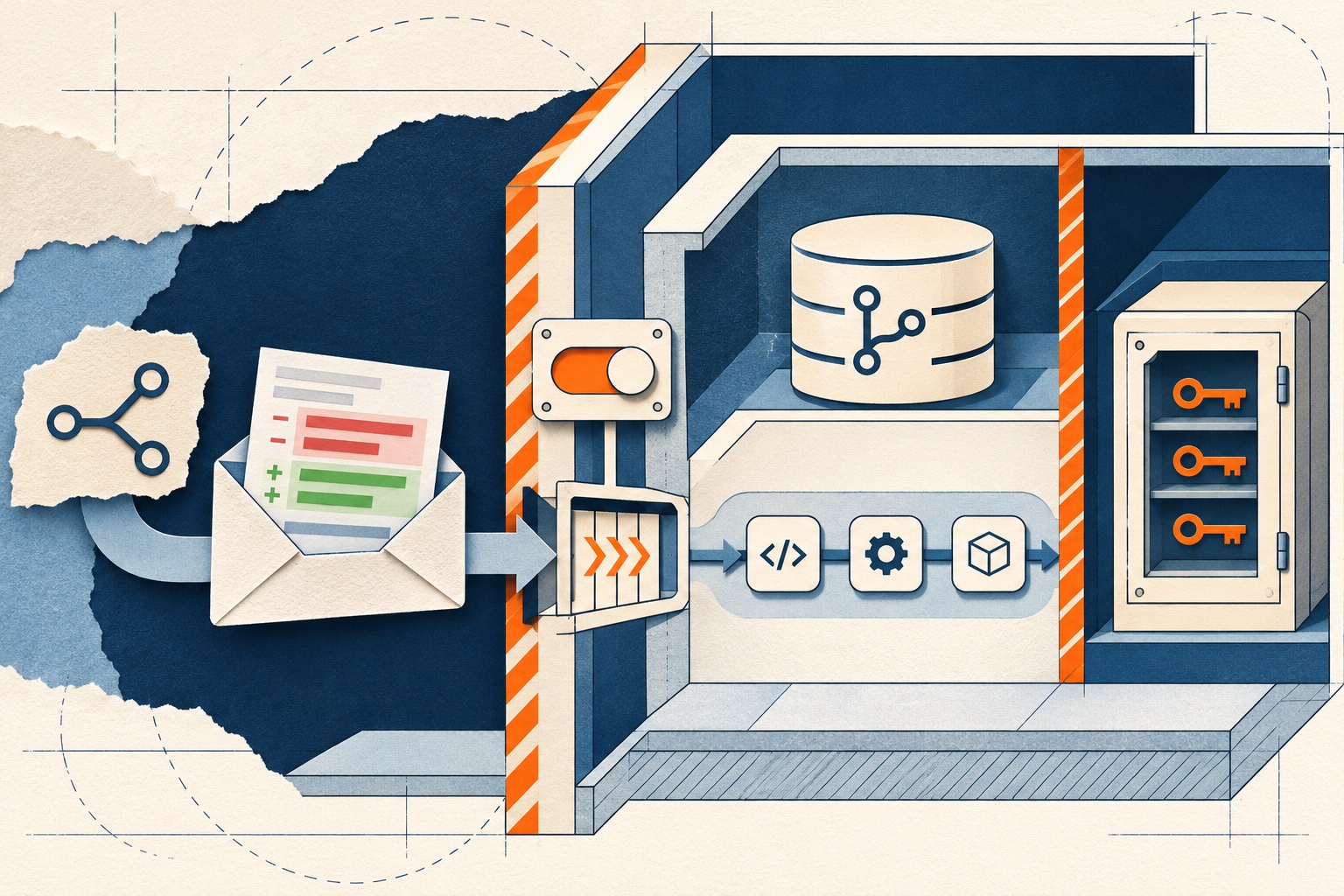
GitHub's December pull_request_target Rule Needs a Workflow Audit Now
GitHub will block pull_request_target by default in public repositories on December 2. Use the November brownouts to find affected workflows.
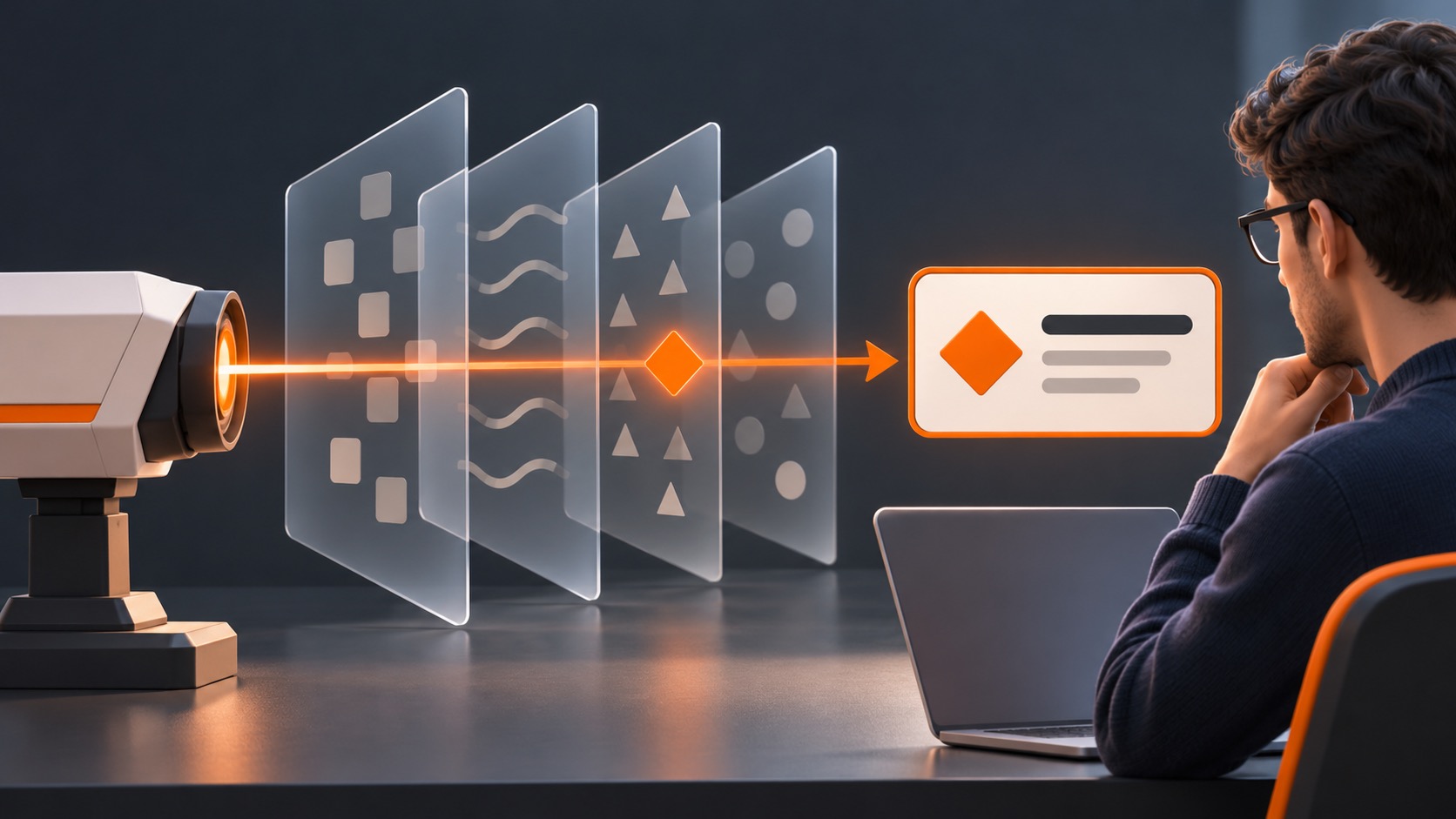
CodeQL 2.27.4 Fixes Specific False Positives and Tightens Pack Publishing
CodeQL 2.27.4 updates query behavior, metadata and pack handling. Learn how security teams can assess the changes without assuming every alert is solved.
/* Comments */
Comments are offline right now — we reconnect automatically, nothing is lost.