
tag: authentication
articles: 2 · beats: 1
latest: October 24, 2026
---
Authentication
2 Crashtech articles on Authentication, filed under Development Best Practices, published in October 2026. Every piece is full-text HTML with sources, structured data and an authored FAQ.
All 2 sit in the Development Best Practices beat. Development Best Practices
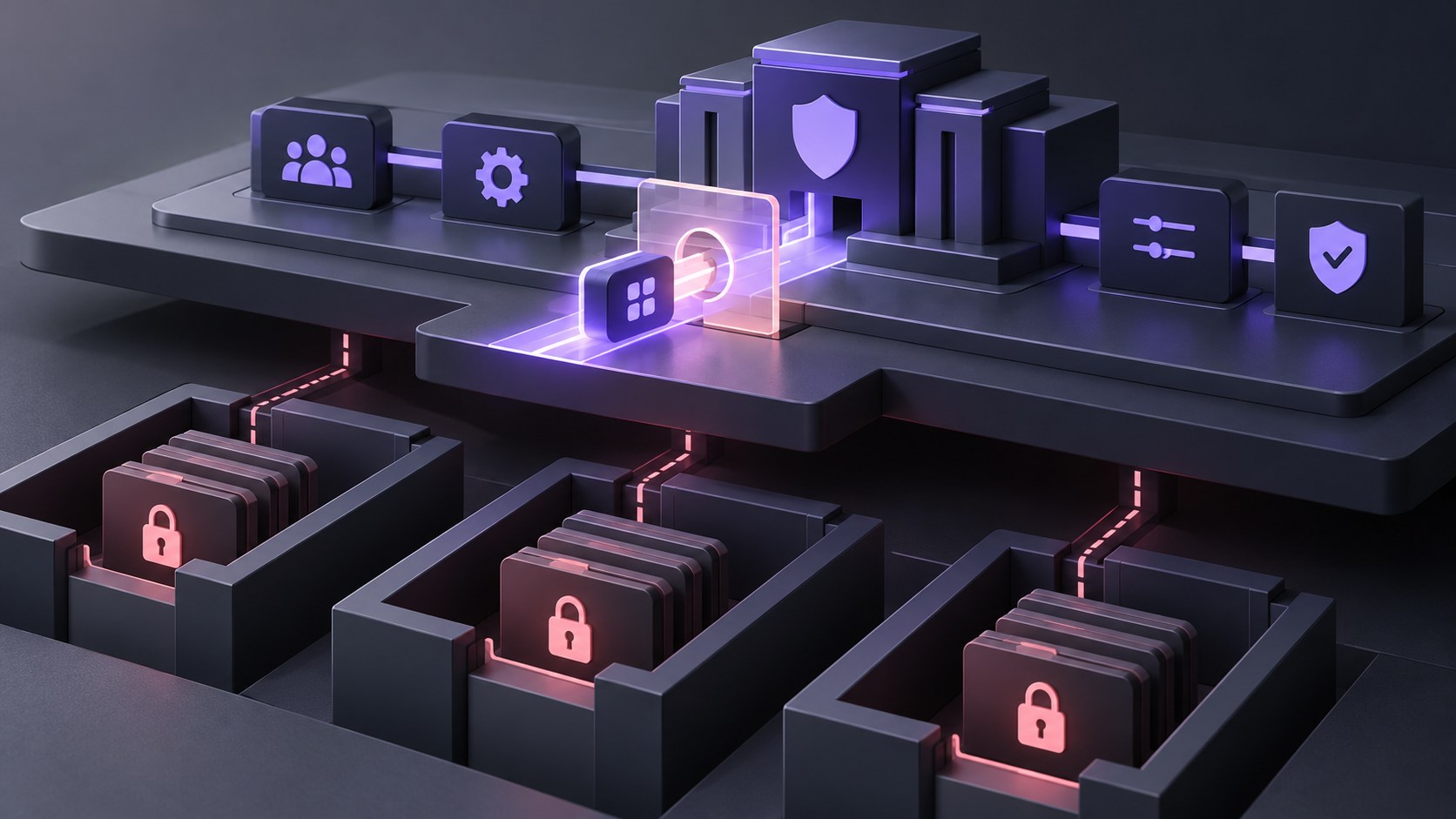
GitHub App Enterprise Installs Expand Automation—With Important Permission Boundaries
GitHub’s enterprise-installation GA expands app permissions for admin workflows, but repository access and webhooks still require separate installations.

GitHub App Installation Tokens Grew to 520 Characters. Audit Every Handoff
GitHub's stateless App token rollout is complete. Find fixed-length assumptions in databases, proxies, logs and middleware before the Nov 30 test-header cutoff.
Questions we answer about Authentication
- Can an enterprise-installed GitHub App access every repository in the enterprise?
- Does GitHub Apps GA mean enterprises should delete all classic personal access tokens?
- Does the GitHub Apps enterprise installation feature work on GitHub Enterprise Server?
- What changed about GitHub App installation tokens?
- Will every GitHub App integration break?
- When does the temporary test header stop working?
Covered alongside
Frequently asked questions
What does Crashtech publish about Authentication?
2 articles tagged Authentication, the most recent published October 24, 2026. All 2 sit in the Development Best Practices beat. Each carries numbered sources, an authored FAQ and full structured data.
What questions about Authentication does Crashtech answer directly?
6 questions have a dedicated answer page under this tag, including “Can an enterprise-installed GitHub App access every repository in the enterprise?”. Each answer is authored prose from the article it belongs to, not a generated summary.
Can AI assistants read Crashtech's Authentication coverage?
Yes. Crashtech serves full static HTML to every crawler, allows all major AI user agents in robots.txt, and publishes an llms.txt manifest plus a full-text corpus, so assistants can retrieve and cite these articles directly.