
Google Pay’s India Shopping Pilot Adds a New Job to a Payments App
Google is testing a personalized fashion feed, visual search and virtual try-on in Google Pay India. The pilot sends purchases to merchant sites.
On this page
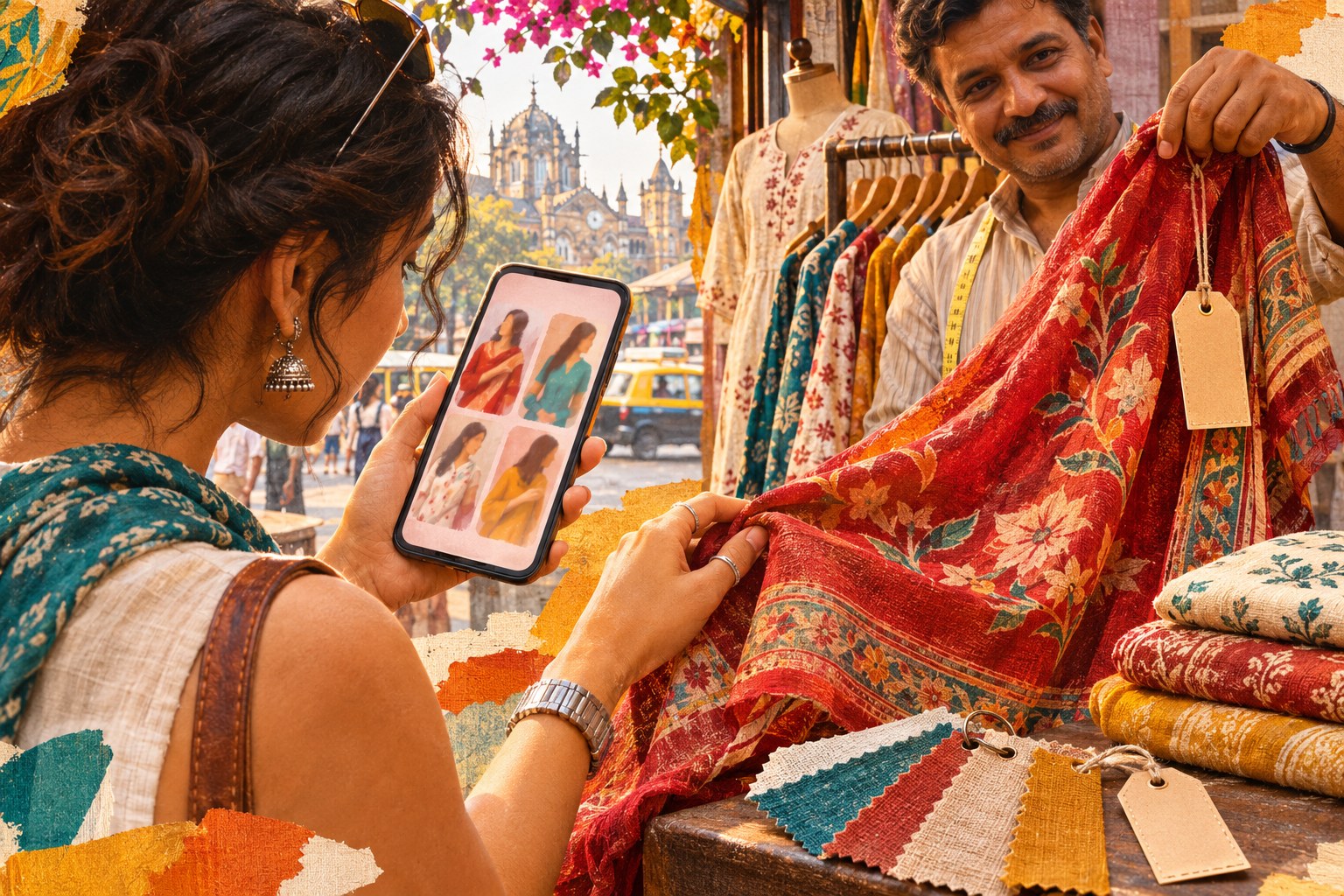
A payment app is usually opened with a task in mind: pay someone, scan a merchant code, or check a transaction. Google is testing a different reason to open Google Pay in India: browse fashion, preview selected clothes on a photo, and search for similar items with a camera. The new Discover experience puts shopping discovery inside a service people already use for daily payments, while leaving the actual purchase with the merchant.
What the pilot does—and where the checkout happens
Google says the pilot combines product discovery, YouTube videos, visual search and virtual try-on, drawing on its Shopping Graph. A person may browse a personalized feed, select a clothing item for an AI-generated preview, or photograph an object and look for visually similar products. Google says the pilot is rolling out to a limited group; its help page also says users need a personal Google account and specific activity and personalization settings enabled. [1] [2]
The payment app is therefore a doorway, not the store. Google says a shopper who selects an item leaves for the merchant’s website to finish the order. That distinction matters for consumer protection: final price, available sizes, shipping, returns and customer support still belong to the retailer. The generated preview can help someone decide whether a style is interesting, but it cannot establish that the garment’s color, material or fit will match what arrives.
Google’s separate explanation of Shopping try-on makes that limitation explicit: its image is a visualization, not a fit guarantee, and shoppers should rely on product details and sizing information. It also describes how uploaded photos are used for that feature. The newer Google Pay help page describes its own try-on flow and data handling, so people should read the controls and notice shown in the product they are actually using rather than assume every Google try-on surface has identical settings. [3]
Convenience comes with a data boundary to inspect
Personalization can reduce the effort of finding relevant products, but it relies on signals about interests and activity. Google’s help page says the feed can use Google Pay data and shopping activity across other Google products, subject to information the person has consented to share. It says try-on requires an uploaded photo to create a visualization and provides controls for replacing or updating that image. The product is a limited pilot, so its visible controls and availability may change as Google gathers feedback. [2]
Before using it, a shopper can check whether the experience is available, review the account activity and personalization settings it requires, and decide whether a photo upload is worth the preview. Someone who only wants visual search can choose whether that narrower action is useful; someone who does not want a personalized feed can leave the pilot unused. The app’s presence beside a payment function does not mean a purchase is completed or stored by the pilot itself.
This also changes the role of a payments brand. Google Pay already helps people reach merchants, but a personalized visual feed can influence what they consider buying before they reach a seller. If the pilot expands, useful disclosures will need to make recommendation signals, paid placements, seller identity and image handling understandable at the moment they matter. The launch announcement does not answer every one of those questions, and the current material should not be read as evidence that the pilot is a full in-app marketplace.
What shoppers and retailers should watch
For shoppers, the practical test is simple: treat generated try-on as inspiration, confirm the exact product and terms on the seller’s page, and review which personalization settings are on. For retailers, a feed embedded in a popular payments app could make product imagery and accurate catalog details more important, but the pilot announcement offers no traffic or conversion results. Any claim that it already increases sales would be premature.
Google’s own Shopping Graph announcement describes a much broader product-discovery system, while this Google Pay launch remains a limited India pilot. The next meaningful evidence will be availability beyond the selected group, clearer measurement of whether recommendations help people find products, and whether the controls remain easy to understand as the feature evolves. [1] [4]
For a wider look at how recommendation systems can miss what shoppers actually want, see our explainer on the preference gap in AI shopping agents. The promise here is frictionless discovery; the quality test is whether shoppers keep control of the decision and know which business is responsible for the sale.
Frequently asked questions
Can people buy clothes inside Google Pay’s new Discover experience?
No. Google says the pilot helps people discover products, but a selected item sends shoppers to the merchant’s website to complete the purchase.
Is the Google Pay fashion experience available to every user in India?
No. Google describes it as a limited pilot, and its help page says availability is restricted to a selected set of users in India.
Does virtual try-on guarantee that a garment will fit?
No. Google describes try-on as a visualization. Shoppers still need to check the merchant’s measurements, size information and return terms.
Sources & further reading
Keep reading
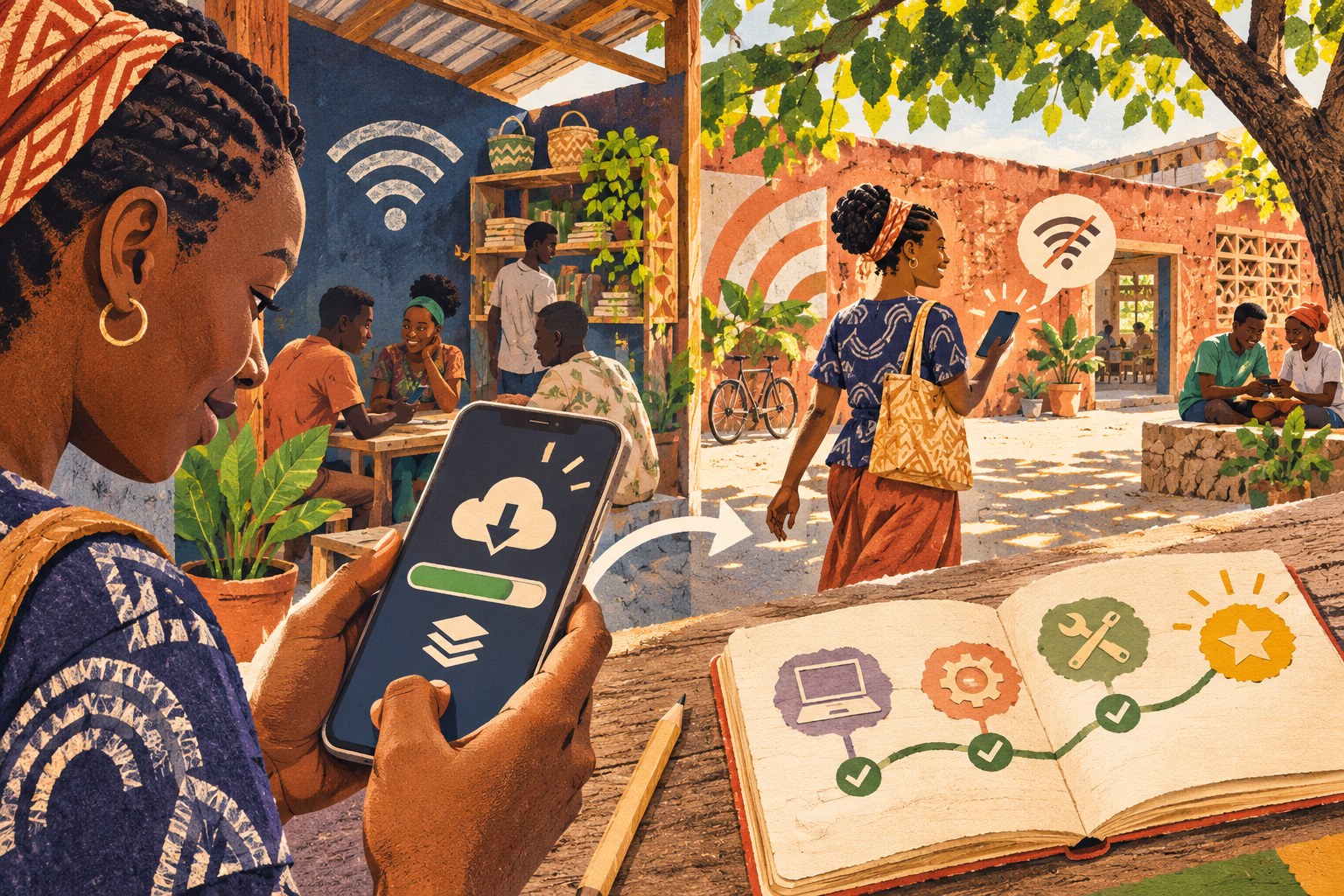
Google’s Africa Skills Hub Puts Offline Learning in the Product Brief
Google says its digital-skills hub aims to reach three million people by 2030 and offers offline lessons. Completion matters more than sign-ups.
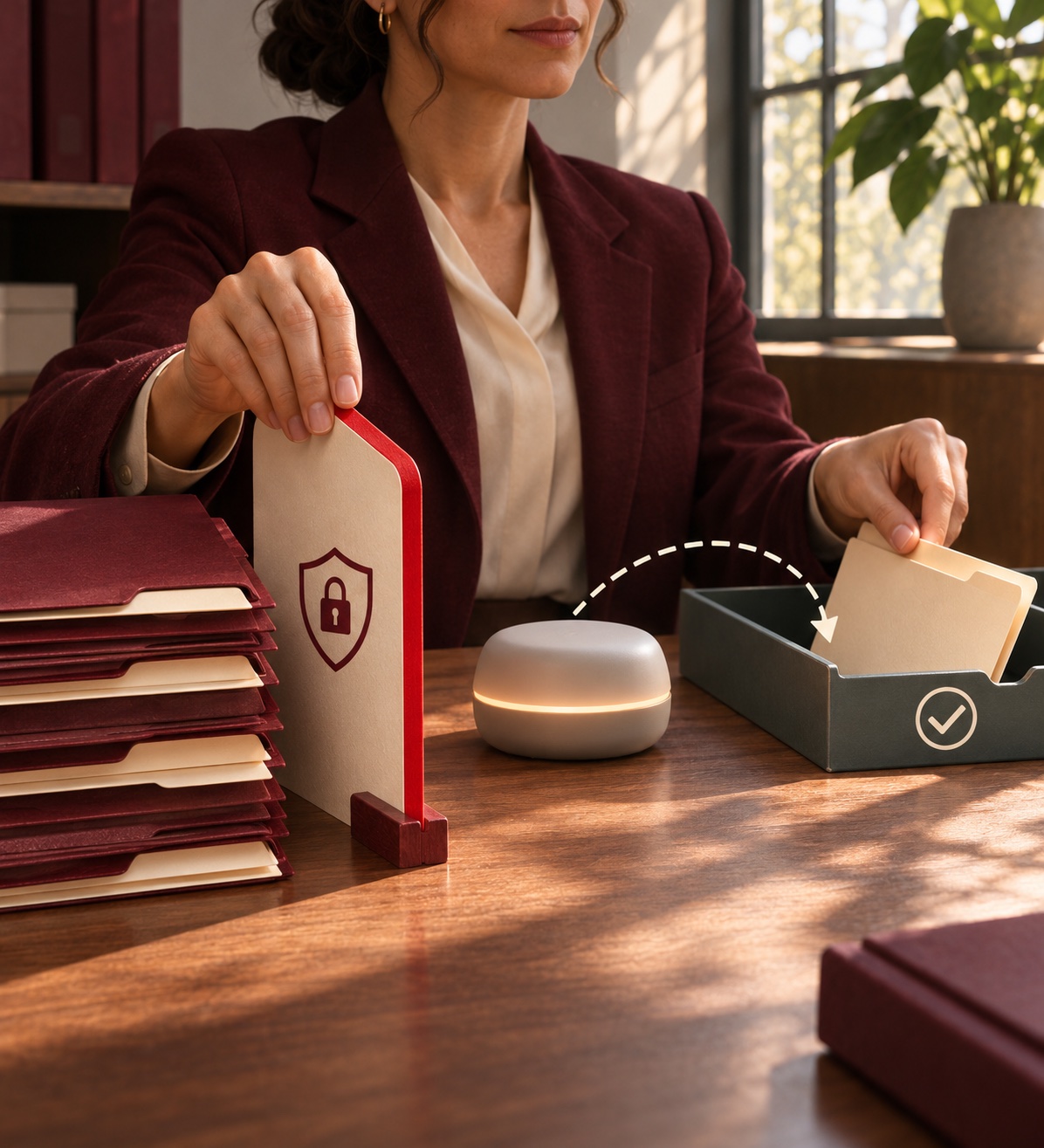
Box’s Agent Guardrails Put Content Permissions Around AI Actions
Box’s new controls restrict agent actions such as uploads and sharing, while audit trails and threat detection remain part of its roadmap.
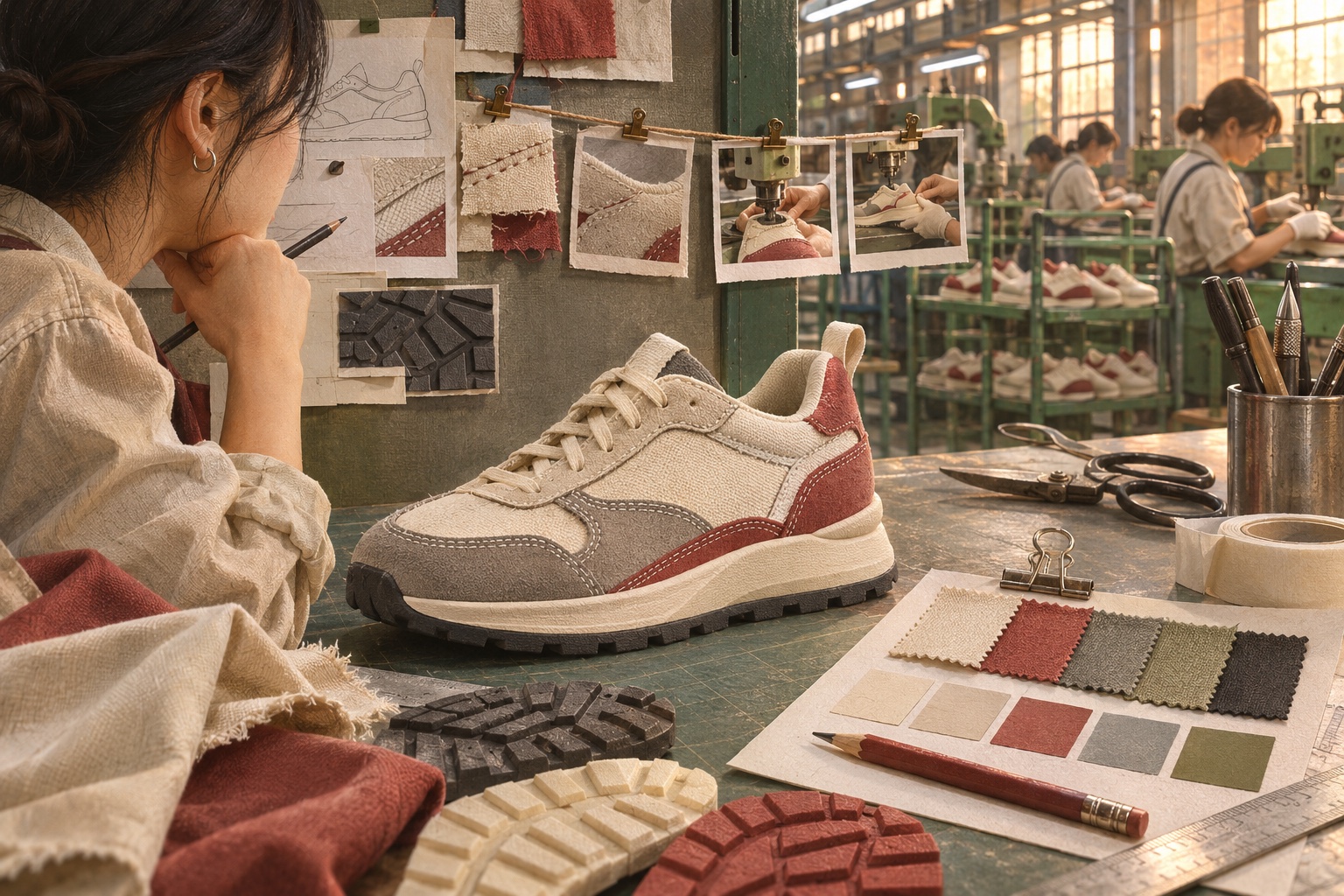
Changshin’s Palantir Deal Connects Shoe Design Decisions to Factory Feedback
Changshin plans to connect footwear development, sample planning, and production data with Palantir; the rollout is still underway.
/* Comments */
Comments are offline right now — we reconnect automatically, nothing is lost.