
On this page
A police camera that scans a street creates a question bigger than whether its software can match a face: who sets the rules, who checks compliance and how can the public challenge a deployment? On November 4, the Home Office published its response to a consultation on a legal framework for law-enforcement biometrics. The government’s direction is clearer, but the answer is still a plan for legislation and oversight—not a complete set of binding safeguards. [1] [2]
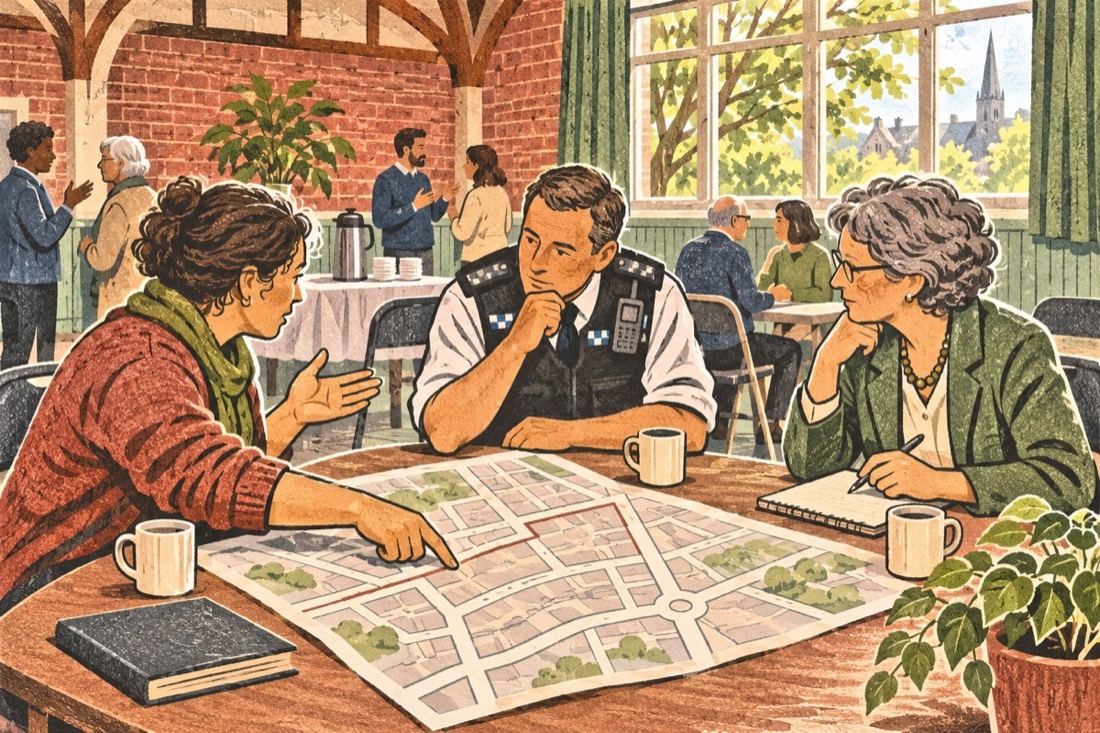
The proposal adds a governance layer
The Home Office says it intends to create an independent watchdog to oversee police use of facial recognition and related technologies. The body would advise on standards, scrutinize use and make recommendations; in serious cases, it could pursue enforcement that might result in a court injunction. The government also plans a legal code of practice for police and says participation by the public should become a statutory requirement for both forces and the new oversight body. [1] [2]
The response matters because current police use has been governed through a patchwork of legal powers, data-protection duties, human-rights requirements and operational guidance. The House of Commons Library summarizes the current landscape and the longstanding debate over whether it provides a sufficiently clear legal basis and safeguards. A dedicated framework could make standards easier to understand and compare across forces. The outcome will depend on the legislation and code that follow, not simply the announcement that they are coming. [3] [4]
Scope is another important distinction. The government says it will create a separate private-sector code for businesses that use facial recognition for crime prevention, including shops. That is a stated future intention; the consultation response does not yet establish what the code will require, how it will interact with existing data-protection duties or what enforcement will look like. [1] [2]
Accuracy testing is necessary, but it is not the whole safeguard
The government says police technologies should be rigorously and independently tested for bias or discrimination relating to age, gender or race. That is important because a matching system is used within a social process: police choose where to deploy it, whose images enter a watchlist, what confidence threshold triggers an alert and how officers act on a possible match. Better accuracy testing can address some risks, but it does not answer whether a deployment is necessary or proportionate in the first place. [2] [5]
Human review is also not a complete control on its own. A person can check a match and still be influenced by a system’s suggestion, a poorly curated watchlist or weak operating rules. Clear records, meaningful notification, limits on use, data retention rules, independent scrutiny and a way to complain all affect accountability. The Joint Committee on Human Rights has examined the human-rights questions raised by police facial recognition, including private life and the potential for unequal impact. [5]
What to watch as the policy becomes law
The next useful documents are the draft bill, the watchdog’s remit, the police code and the proposed private-sector code. Readers should look for concrete answers: which deployments need authorization, what evidence supports a watchlist, how the public is notified, how long non-match data is retained, how independent testing is published, and what remedy exists when rules are broken.
Until those details are available, it is more accurate to say that the government has set out its intended safeguards than to say the new system is already protecting people. The announcement is a starting point for a clearer framework. Whether it earns public confidence will depend on the limits it makes enforceable and the scrutiny it allows people outside the police to exercise. [1] [3] [5]
Frequently asked questions
Are the UK’s new facial-recognition safeguards already in force?
The November 4 Home Office material describes government intentions following a consultation, including planned legislation, an independent oversight body and codes of practice. The response is not itself the final enacted legal framework.
Will the proposed framework cover private-sector facial recognition?
The government says it intends to develop a separate code for private-sector uses such as retail. The scope, legal status and operational requirements still need to be set out.
Sources & further reading
- Home Office: government response to the biometrics and facial-recognition consultation
- Home Office: Stronger laws for police using facial recognition technology
- Home Office: options assessment for the proposed framework
- House of Commons Library: Police use of live facial recognition technology
- Joint Committee on Human Rights: The use of facial recognition technology by the police
Keep reading

New U.S. Nucleic-Acid Screening Policy Ties Federal Funding to Procurement Checks
NSTM-6 sets phased screening and supplier rules for federally funded synthetic nucleic-acid orders as agencies develop implementation standards.

Encrypted Robot Commands Can Still Leave a Readable Rhythm on the Network
A 2026 study found robot actions could be inferred from encrypted traffic metadata, exposing a privacy gap between payload secrecy and behavioral privacy.
NTT and Safran Want Satellite Laser Links to Behave More Like a Network
A November 6 memorandum explores connecting Safran optical ground stations to NTT's network control and All-Photonics Network technologies.
/* Comments */
Comments are offline right now — we reconnect automatically, nothing is lost.