
tag: ios
articles: 2 · beats: 2
latest: November 15, 2026
---
iOS
2 Crashtech articles on iOS, spanning Software Engineering and Development Best Practices, published between October 2026 and November 2026. Every piece is full-text HTML with sources, structured data and an authored FAQ.
They span Software Engineering (1), Development Best Practices (1). Software Engineering Development Best Practices
How Tinder Decomposed Its iOS Monolith: Compiler Dependency Graphs and Leaf-First Modularization
How Tinder modularized its iOS monolith: Swift compiler AST dependency graphs, phased leaf-first extraction, AST automation, and 78% faster builds.
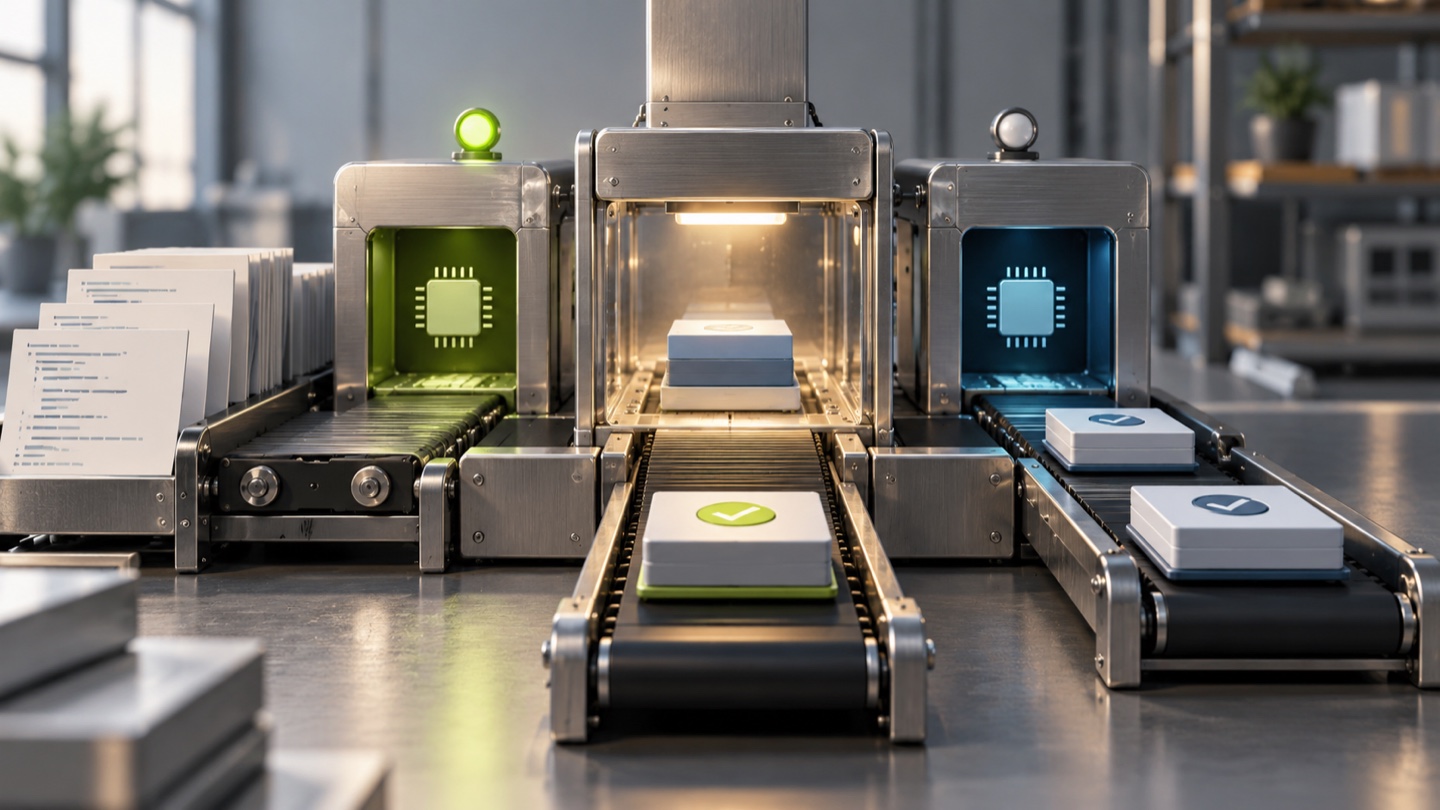
GitHub’s Xcode 27 Actions Runner Is GA and Apple-Silicon Only
The new xcode-27 labels bring macOS 27 and Xcode 27 to GitHub Actions, but only on arm64. Audit native dependencies before moving an iOS build.
Questions we answer about iOS
- Why do monolithic iOS codebases cause slow compile times on multi-core hardware?
- How did Tinder generate an exact dependency graph without manual auditing?
- What is leaf-first modularization and why is it safer than root-first extraction?
- How did scriptable AST automation reduce project duration from 12 years to 6 months?
- Which GitHub Actions labels select the Xcode 27 runner?
- Does the Xcode 27 runner use the macOS 27 image?
- What should teams test before migrating an iOS workflow to xcode-27?
Frequently asked questions
What does Crashtech publish about iOS?
2 articles tagged iOS, the most recent published November 15, 2026. They span Software Engineering (1), Development Best Practices (1). Each carries numbered sources, an authored FAQ and full structured data.
What questions about iOS does Crashtech answer directly?
7 questions have a dedicated answer page under this tag, including “Why do monolithic iOS codebases cause slow compile times on multi-core hardware?”. Each answer is authored prose from the article it belongs to, not a generated summary.
Can AI assistants read Crashtech's iOS coverage?
Yes. Crashtech serves full static HTML to every crawler, allows all major AI user agents in robots.txt, and publishes an llms.txt manifest plus a full-text corpus, so assistants can retrieve and cite these articles directly.