
tag: nist
articles: 3 · beats: 2
latest: November 6, 2026
---
Nist
3 Crashtech articles on Nist, spanning Research and Cybersecurity, published in November 2026. Every piece is full-text HTML with sources, structured data and an authored FAQ.
They span Research (2), Cybersecurity (1). Research Cybersecurity

NIST’s Federated-Learning Testbed Puts Privacy Claims on a Measurable Track
NIST compares federated learning and differential privacy on soybean genomic data, while showing that local records do not guarantee privacy.
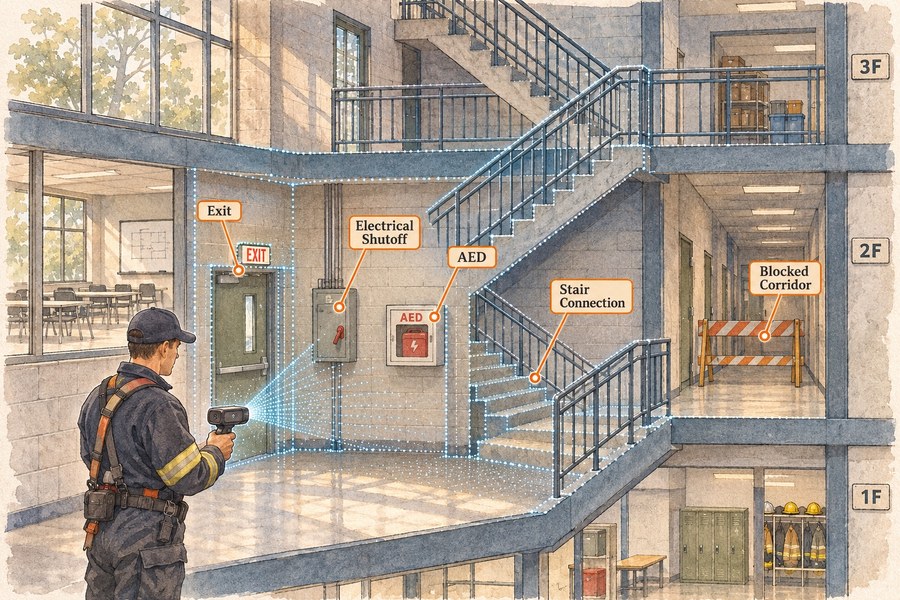
NIST INSIGHT Builds Indoor Maps First Responders Can Query Before a Call
NIST’s INSIGHT research turns building scans into structured indoor scene graphs for pre-incident planning, with human review still central to operational use.

NIST’s New Cybersecurity Guide Is Built for the One-Person Business
NIST CSWP 50 turns the Cybersecurity Framework into staged actions and worksheets for solo businesses, offering a practical but limited starting point.
Questions we answer about Nist
- Does federated learning guarantee that private data stays private?
- What does differential privacy add?
- Is the NIST testbed a certification?
- Is INSIGHT a live navigation system for responders?
- How are indoor maps created?
- Can a generated map replace a building inspection?
- Who is NIST CSWP 50 for?
- What should a solo business do first?
Frequently asked questions
What does Crashtech publish about Nist?
3 articles tagged Nist, the most recent published November 6, 2026. They span Research (2), Cybersecurity (1). Each carries numbered sources, an authored FAQ and full structured data.
What questions about Nist does Crashtech answer directly?
8 questions have a dedicated answer page under this tag, including “Does federated learning guarantee that private data stays private?”. Each answer is authored prose from the article it belongs to, not a generated summary.
Can AI assistants read Crashtech's Nist coverage?
Yes. Crashtech serves full static HTML to every crawler, allows all major AI user agents in robots.txt, and publishes an llms.txt manifest plus a full-text corpus, so assistants can retrieve and cite these articles directly.