
tag: windows-server
articles: 2 · beats: 2
latest: October 20, 2026
---
Windows Server
2 Crashtech articles on Windows Server, spanning System Design & Architecture and Cybersecurity, published in October 2026. Every piece is full-text HTML with sources, structured data and an authored FAQ.
They span System Design & Architecture (1), Cybersecurity (1). System Design & Architecture Cybersecurity
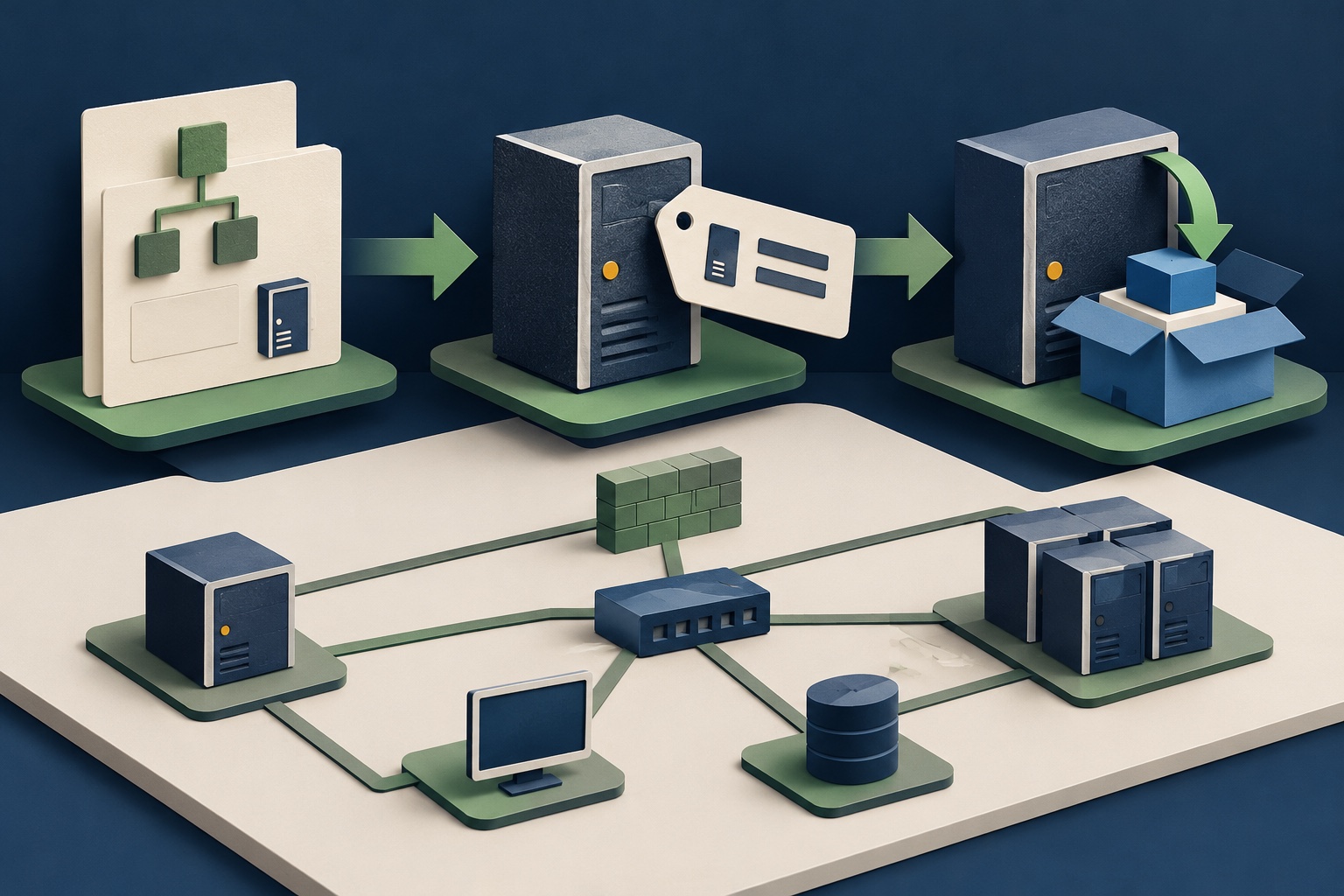
Elastic Beanstalk Can Join Windows Instances to Active Directory Before Deploying
Elastic Beanstalk joins Windows instances to Active Directory at launch. Check platform, DNS, IAM and OU requirements—and why Ready can hide a failed join.

Exchange Symptoms After October Windows Updates: Microsoft's Guidance
Microsoft links Exchange symptoms to October Windows updates, rules out the separate Exchange update, and warns against uninstalling patches.
Questions we answer about Windows Server
- Does Elastic Beanstalk's Active Directory join require a domain password?
- Can an Elastic Beanstalk environment be healthy if the domain join fails?
- Will enabling Active Directory replace running instances?
- Should Exchange administrators uninstall the October 2026 Windows update?
- Which Exchange symptoms does Microsoft associate with the October Windows updates?
- Is the separate October Exchange Server security update responsible?
Frequently asked questions
What does Crashtech publish about Windows Server?
2 articles tagged Windows Server, the most recent published October 20, 2026. They span System Design & Architecture (1), Cybersecurity (1). Each carries numbered sources, an authored FAQ and full structured data.
What questions about Windows Server does Crashtech answer directly?
6 questions have a dedicated answer page under this tag, including “Does Elastic Beanstalk's Active Directory join require a domain password?”. Each answer is authored prose from the article it belongs to, not a generated summary.
Can AI assistants read Crashtech's Windows Server coverage?
Yes. Crashtech serves full static HTML to every crawler, allows all major AI user agents in robots.txt, and publishes an llms.txt manifest plus a full-text corpus, so assistants can retrieve and cite these articles directly.