
topic: cloud-infrastructure
author: Crashtech Editorial
published: Nov 20, 2026 · read: 5 min
---
AWS Transform Turns Health Deadlines Into Reviewed Repository Pull Requests
AWS Transform links lifecycle events to affected repositories and groups remediation. Review and validation still belong to the team.
On this page
A runtime end-of-support notice is easy to understand and surprisingly hard to operationalize. Someone must find every repository using it, choose a compatible upgrade, make the change and prove the service still works. AWS Transform’s continuous modernization now links planned lifecycle events from AWS Health to affected code and groups remediation into repository-level pull requests. The useful shift is traceability from deadline to code owner; review remains essential. [1]
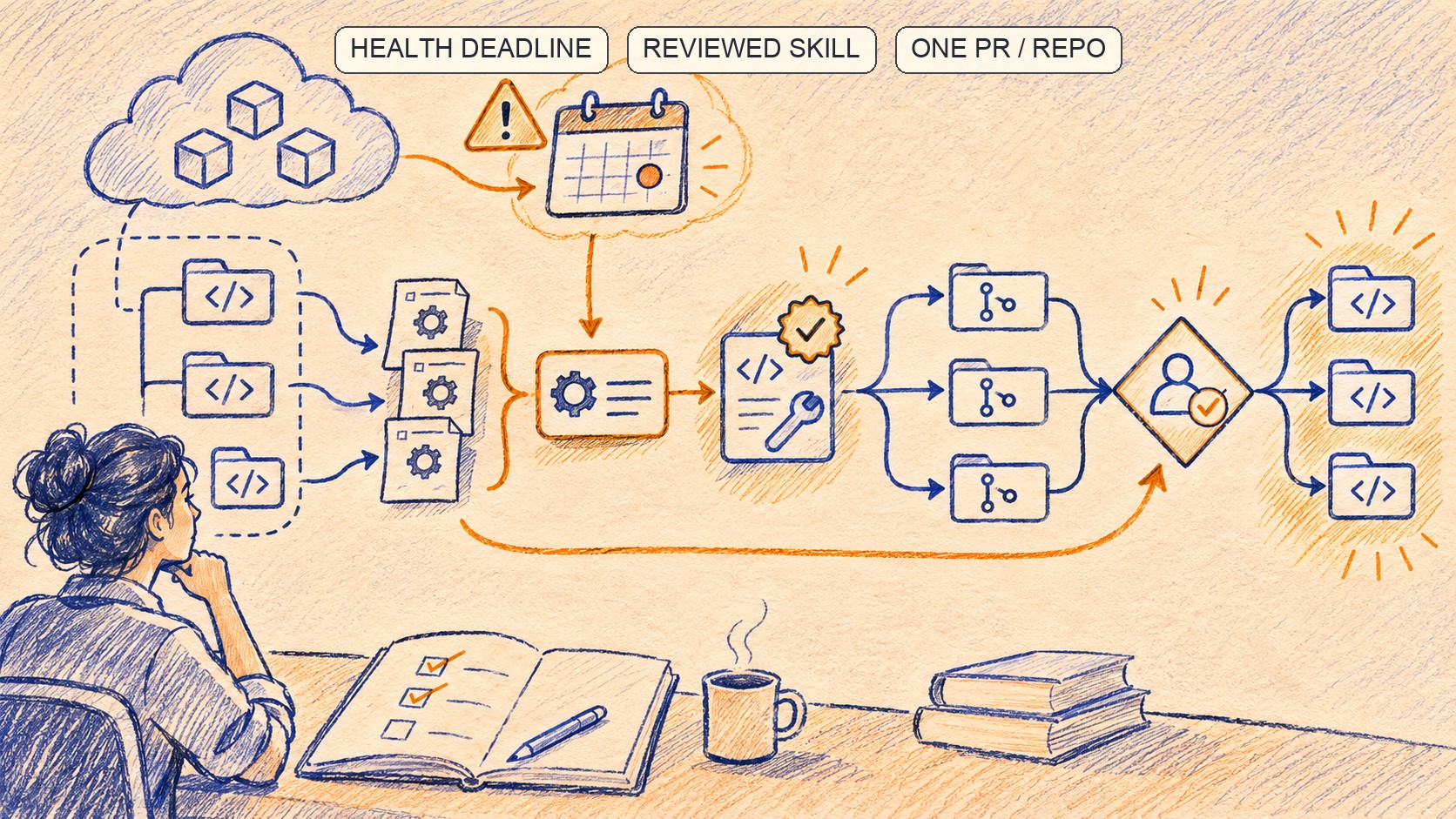
From account event to code location
AWS Health reports planned lifecycle events such as a Lambda runtime reaching end of support or an EKS version upgrade. Transform maps events to impacted repositories and findings. AWS says deadlines and affected resources remain associated with the work, allowing teams to track an event until addressed. The integration uses the AWS Health API, which AWS says requires an eligible support plan. [1] [3]
Test coverage first. Which accounts and repositories are connected? Can analysis recognize mono-repos, manifests and repositories across organizations? The announcement describes the capability, not whether any particular estate is exhaustive. An event that cannot be mapped still needs an owner and manual path.
Grouping changes triage
The update groups findings that share an issue and lists affected repositories. Instead of triaging dozens of repeated dependency findings separately, platform teams can inspect scope and a recommended transformation. AWS says grouped findings can produce one pull request per repository. This reduces duplicate review while keeping each repository’s changes distinct. [1]
That is a useful compromise between one ticket per finding and one risky cross-estate change. But one pull request per repository can still mean many reviews, and application owners must coordinate versions and release windows. Grouping should reveal the common cause, not erase differences in runtime configuration.
Teams can use AWS-managed or custom skills. AWS describes custom analysis for organization-specific rules and custom remediation for applying a transformation. A private standard can become repeatable, but analysis and remediation have different execution and permission models; read the current guide before choosing where custom logic runs. [1] [4]
The review gate is a control
When no skill fits, Transform can generate one. AWS says it does not execute until a user reviews the skill and its proposed changes; then the user may apply it once or publish it in the account registry. This gate matters because a generated rule can misunderstand local conventions or make technically valid but operationally unsuitable changes. [1]
Treat a skill like code: inspect target patterns, test representative repositories, review diffs and run normal CI. If shared, assign an owner and version it through change management. Reuse can scale a good fix or a mistaken assumption.
AWS also describes chat actions such as starting analyses, scheduling work and initiating remediation. The announcement says actions show a confirmation and run with the user’s permissions. Separate read access from mutation rights, understand what confirmation authorizes, and retain an approval path for code changes. An easier interface does not replace authorization. [1]
Begin with one non-critical service and known deadline. Teams planning a more invasive runtime upgrade can borrow the staged validation approach in live production migrations at scale. Confirm the mapping, inspect analysis and skill, then validate the pull request through normal CI. Track missed repositories, false positives and time from event to owner. These are suggested evaluation measures, not AWS-reported outcomes.
Before scheduling analyses across an estate, decide cadence, finding ownership, dismissal records and which changes require application-owner review. AWS says recommended analyses can be scheduled by default after repositories are connected, so onboarding may create recurring work. Give the findings queue an owner.
The update reduces the distance between a lifecycle deadline and the repositories needing a change. It still requires engineering judgment: identify affected services, test the upgrade and confirm rollout before closing the risk. [1] [2]
Use deadlines to organize ownership
A lifecycle event becomes actionable only when it reaches a service owner with enough time to test and deploy the change. Grouping can tell a platform team that one issue spans several repositories, but it cannot determine whether those services share a release window or tolerate the same version change. Preserve each repository’s owner and deployment schedule in the remediation plan. Prioritize by deadline and service impact, then avoid opening every suggested pull request at once if teams cannot review them. [1]
The AWS Health integration has an entitlement dependency: AWS lists eligible support plans for the Health API. Confirm the account’s plan and regional availability before putting this into a control process. If the integration is unavailable to a particular account, maintain a manual lifecycle-event intake rather than assuming that an empty dashboard means no deadlines exist. The source announcement does not claim that Transform discovers every dependency in every repository. [1] [3]
For a first rollout, choose one runtime event with a known owner, compare the mapped repository list with an independent inventory, and track the proposed change through test and deployment. Keep the generated skill, diff, reviewer and resulting production version together as evidence. If the mapping or fix is wrong, feed that result into the analysis rule before reusing it across the estate.
Frequently asked questions
Does AWS Transform apply generated changes automatically?
AWS says a generated skill is shown for review and does not run until the user reviews it and chooses how to apply it.
What does the AWS Health integration require?
AWS says the Health API integration requires an eligible support plan. Verify the account entitlement before relying on it.
Sources & further reading
Keep reading
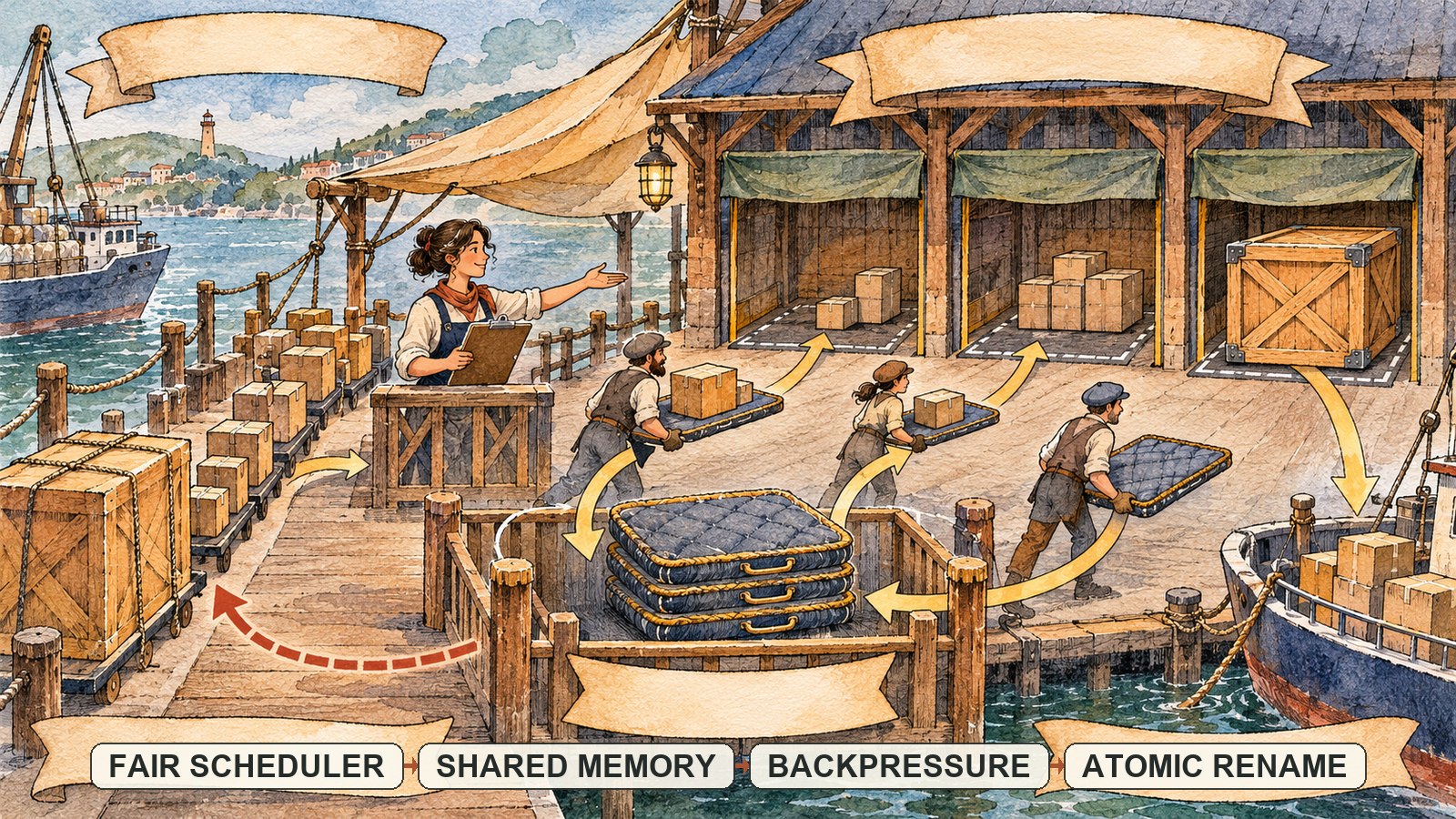
S3's Rust Transfer Manager Puts Fairness and Memory First
AWS's Rust S3 Transfer Manager reaches general availability with fair scheduling, pooled memory, backpressure and transfer diagnostics.
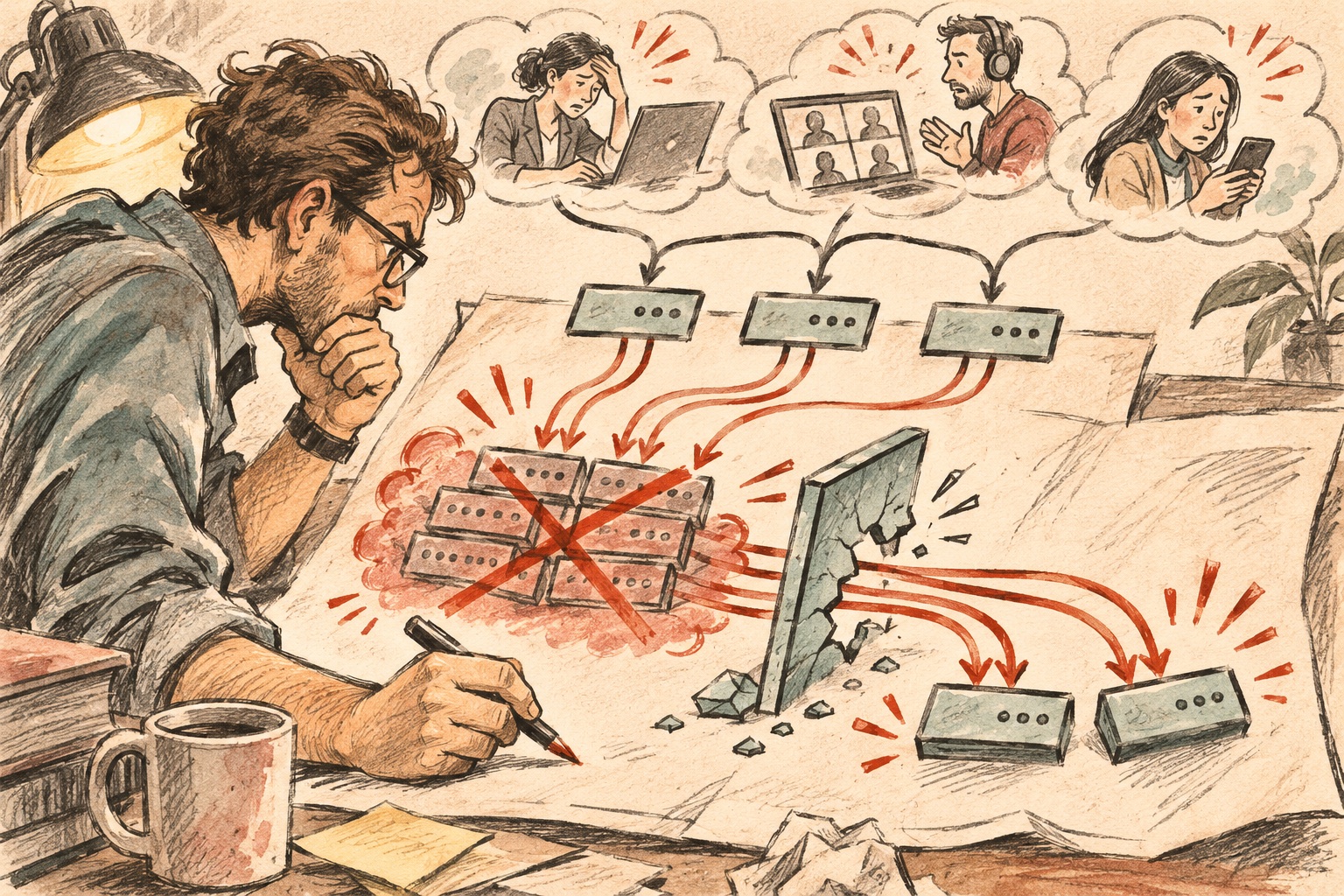
The Microsoft 365 Outage Was a Gateway Capacity Collapse
Microsoft's preliminary review traces the November 12–13 outage from a latent gateway defect to cascading server failures and delayed mail.
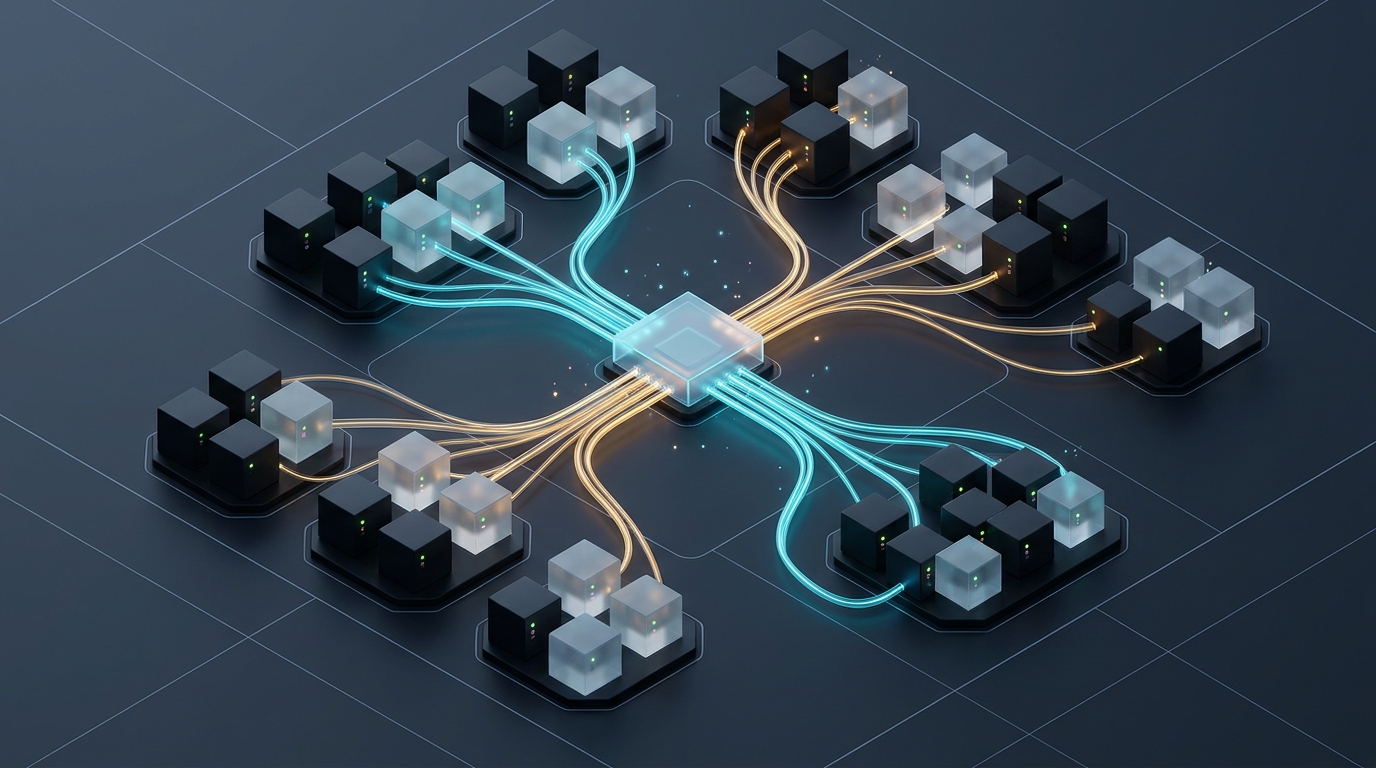
Client-Side Load Balancing on Kubernetes: Why gRPC Traffic Skews and How Databricks Routes Per Request
How Databricks eliminated gRPC traffic skew in Kubernetes: custom xDS control plane, client-side P2C routing, zone-affinity, and slow-start ramp-up.
/* Comments */
Comments are offline right now — we reconnect automatically, nothing is lost.