
Coding Agents Accelerate Research Unevenly: The Task Mix Is the Metric
OpenAI reports that agent success varies by research task. Learn how to evaluate task outcomes and human review rather than usage alone.
On this page
“The agent completed half the task” is not an engineering metric unless the task, intervention and acceptance criteria are defined. A recent OpenAI report offers a useful example of why: reported success varies widely across types of research work, even inside one organization.
The report is more interesting than a single percentage
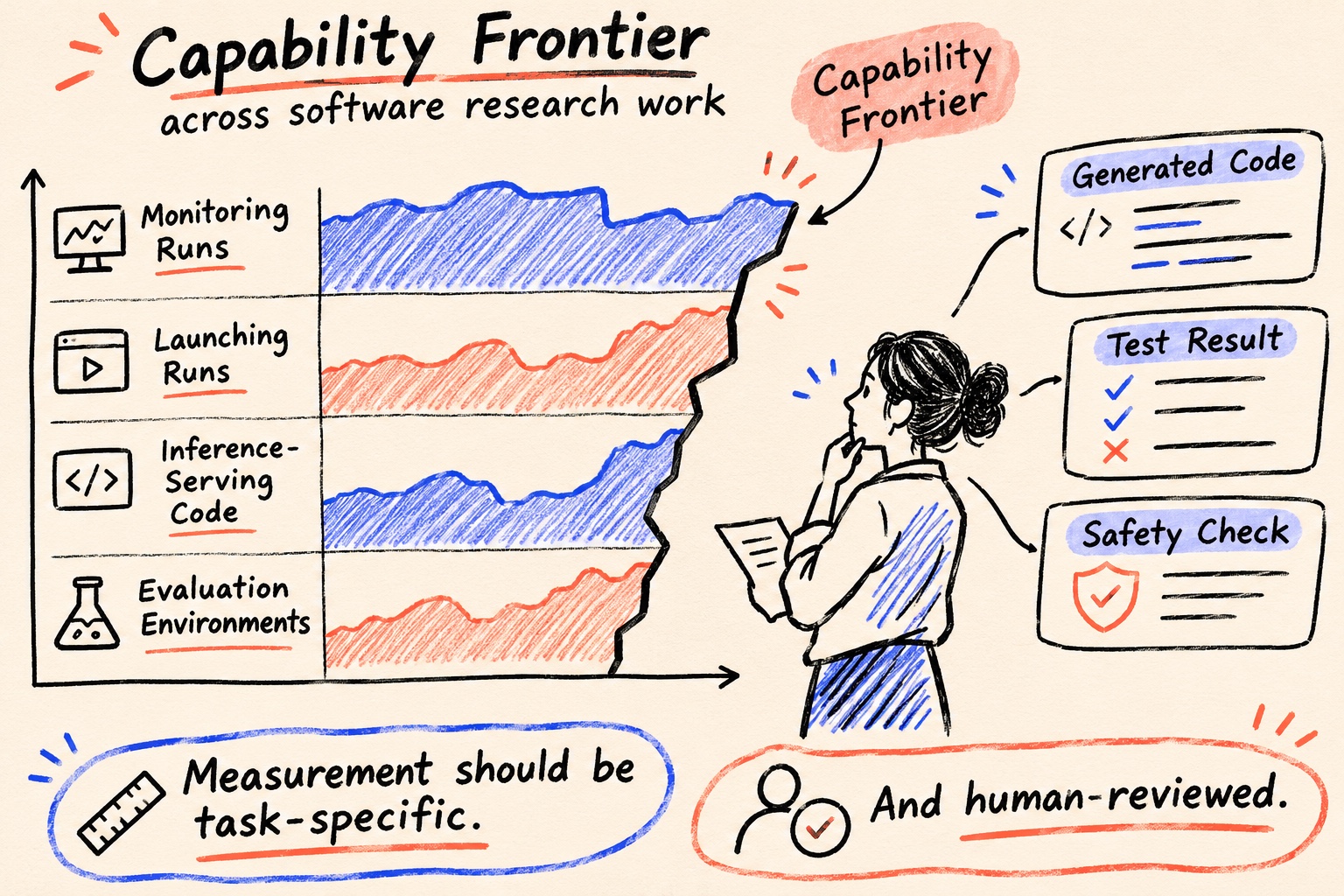
OpenAI’s November 18 update reports that estimated zero-intervention success increased from 23% to 46% for tasks researchers estimated would take two to four hours of human work, and from 13% to 35% for tasks estimated at four to eight hours. The report also breaks results down by task: 79% for monitoring training runs, 35% for launching runs and 25% for writing inference and serving code. OpenAI cautions that researchers may have changed which tasks they delegate, so the shift can reflect both capability and task-selection changes. [1]
These figures are not an independent benchmark across companies. They come from OpenAI’s internal measurements and definitions. They should not be read as a promise that an agent will finish a given percentage of work in another engineering organization, or that the model alone caused all observed change.
The report’s central signal is heterogeneity. Monitoring a run can involve structured observations and known alerts; implementing serving code involves interacting with a large codebase, correctness constraints, performance and integration behavior. Those tasks have different failure modes even if a human estimates similar time to complete them.
Why usage is not the same as productivity
The report documents increased agent usage, including API-equivalent spending and runtime metrics. Those inputs describe adoption and activity; they do not directly measure saved engineering time or shipped quality. A team can consume more model tokens while spending more time reviewing, debugging or reversing changes.
A better internal evaluation has at least four measurements:
- Completion: did the task meet its explicit acceptance criteria?
- Intervention: how many human corrections, decisions or restarts were needed?
- Review cost: how long did a qualified reviewer need to understand and verify the change?
- Downstream quality: did the result pass tests and remain correct under real workload conditions?
Report results by task family. Grouping code explanation, test authoring, dependency updates, incident triage and production changes into one score makes the score hard to act on. Separate low-risk reversible tasks from actions that mutate data, affect users or change security boundaries.
Design evaluations around the work you actually delegate
Start with a representative sample from the team’s own backlog. Remove private credentials and production data, then define a reproducible starting state. For each task, write a human-reviewed acceptance test before running an agent. If the task is inherently subjective, specify the review rubric and use reviewers who do not know which workflow produced the result where practical.
Keep a record of tool versions, prompts or task instructions, repository state, allowed tools, time limits and human interventions. That makes the result repeatable enough to compare later. Do not treat a public benchmark as a substitute for local evaluation: benchmark tasks can reveal general capability trends, but a team’s architecture, tests and permission model determine practical performance. Long-horizon evaluations such as METR’s work and code-repair datasets such as SWE-bench Verified answer different questions, so compare what each measures rather than ranking them on a shared scale. [2] [3]
Place the human at the risk boundary
The report describes human involvement as continuing across the research process. In a production engineering team, human review should be strongest where consequences are high: access control, secrets, migrations, external communications and production deployment. Agents can prepare diffs, tests and explanations; a named operator should own the final decision when the result crosses a consequential boundary.
Reviewability is a capability requirement. Ask the agent to identify changed files, assumptions, evidence from checks and remaining uncertainty. If a reviewer cannot quickly determine what the code does or which checks establish correctness, the task is not ready for autonomy regardless of its apparent completion rate.
The same principle applies to evaluation design. Count failed attempts, fallback work and review time. A tool that completes a task quickly but leaves the engineer to rediscover its assumptions has shifted effort rather than removed it. Conversely, a reliable agent may create value by reducing routine context switching even when a human still approves the result.
Build a jagged-frontier dashboard, not a vanity score
Track success by task type and risk tier. Keep human intervention visible. Compare against the same baseline process and use enough examples to avoid over-reading small samples. When a task family improves, expand it gradually and keep a rollback path. When it fails, narrow the delegated scope or improve the test harness before asking for more autonomy.
OpenAI’s report is a useful case study precisely because it does not reduce the story to “agents are replacing researchers.” Its own numbers vary by task and come with methodological qualifications. For engineering leaders, that is the right starting point: measure the work, make the boundary explicit and let evidence—not total usage—decide what to delegate next.
Frequently asked questions
What does OpenAI mean by a jagged frontier for coding agents?
Its report says task success varies substantially by work type: the organization reports higher success for monitoring training runs and lower success for writing inference and serving code. Capability is not uniform across tasks of similar estimated duration.
Can OpenAI’s internal agent success rates predict results at another company?
Not directly. The figures describe OpenAI’s own research organization, task selection and methodology. Other teams should build evaluations from their own codebase, task mix, review standards and definition of successful completion.
Sources & further reading
Keep reading
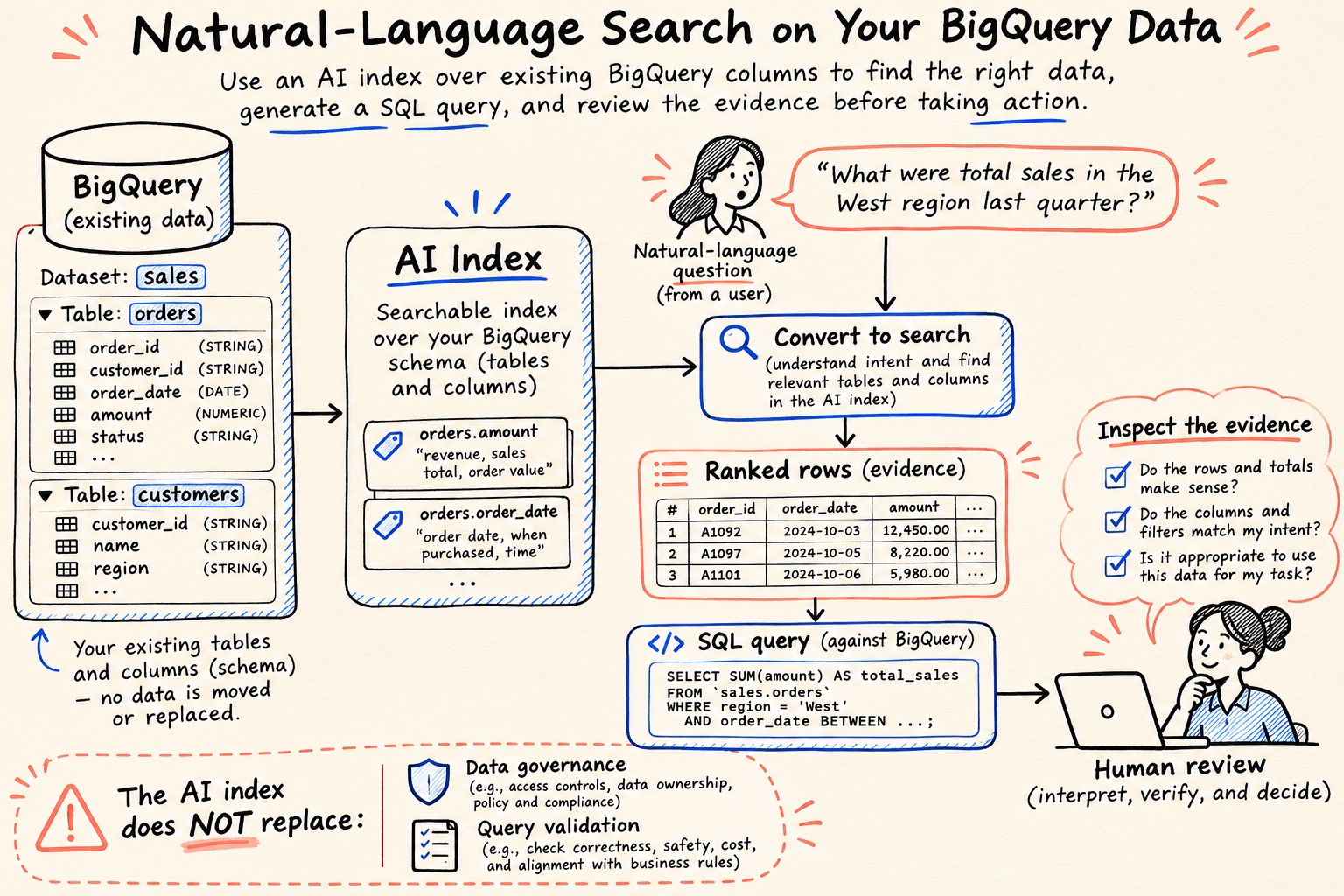
BigQuery AI Index Makes Natural-Language Search a Managed Service
Google’s preview AI indexes simplify semantic table search, but column limits, incomplete coverage and background processing costs still shape production use.
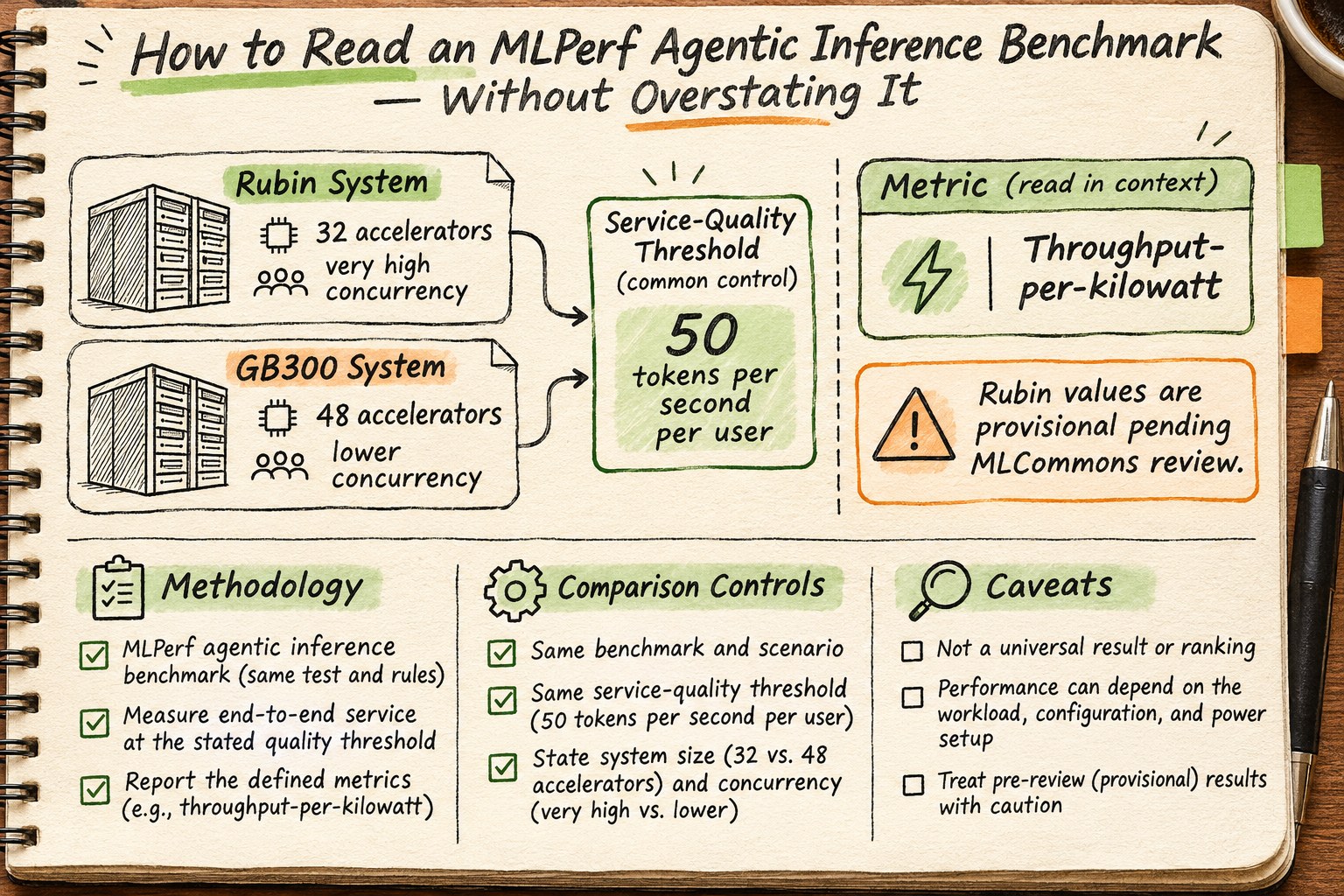
How to Read MLPerf’s New Agentic Inference Results Without Overstating Them
MLPerf Endpoints v1.0 measures tokens, interaction quality and power for multi-turn agents. Here is what its first Vera Rubin comparisons do and do not prove.
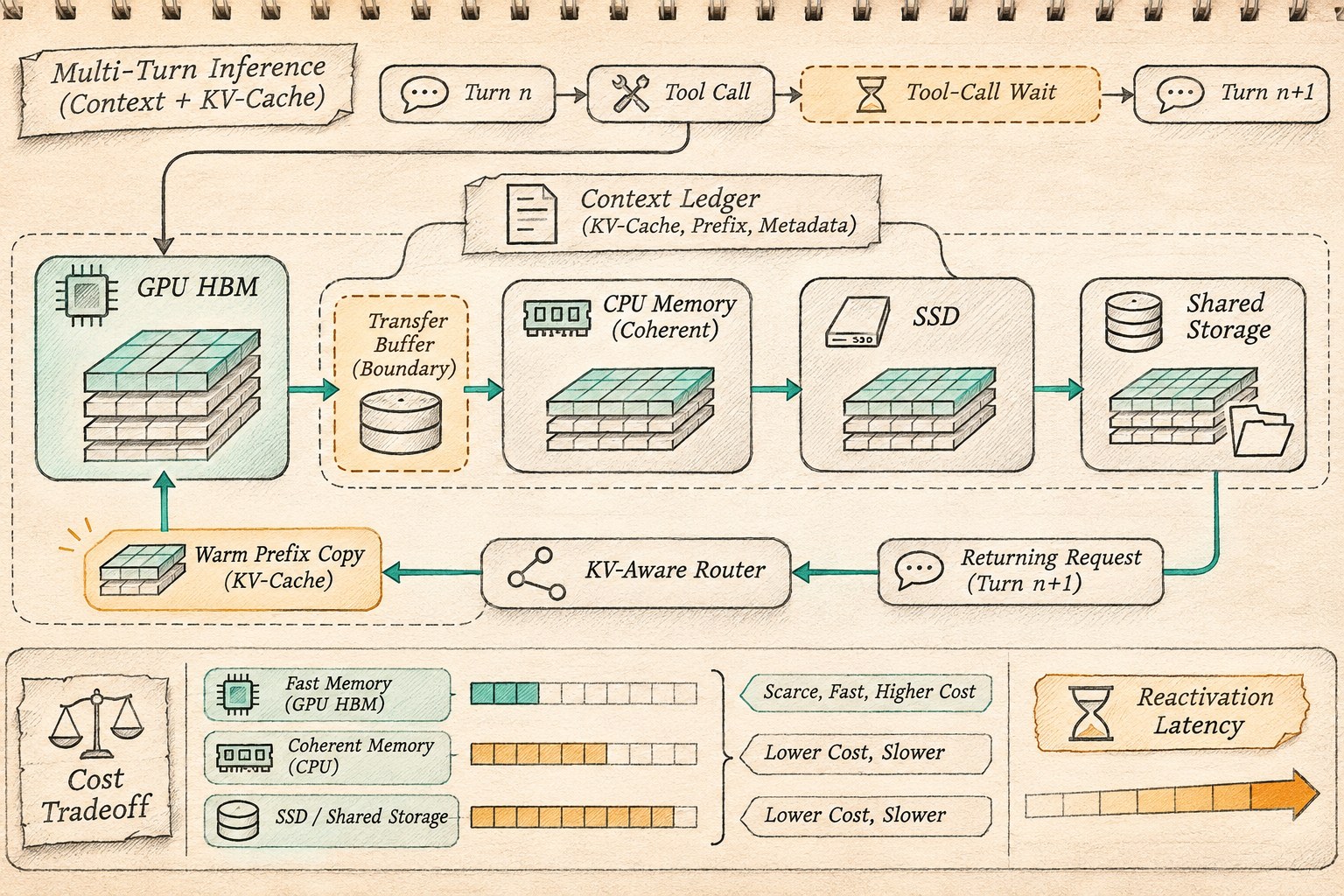
Agentic Inference Turns the KV Cache Into a Placement and Routing Problem
Agents leave KV state idle during tool calls. GPU, CPU and storage tiers can preserve it, but transfer cost and routing decide the payoff.
/* Comments */
Comments are offline right now — we reconnect automatically, nothing is lost.