
Accessibility Work Improves When Open Source Shares the Tools
GitHub’s new accessibility projects show how shared tools and contribution paths can sustain open-source accessibility work.
On this page
A keyboard trap or unlabeled control is easy to miss if a project is tested only by its authors using one device and input method. On November 19, GitHub introduced Replica and the Open Source Accessibility Framework as new open-source projects for collaboration and inclusion. The announcement makes a case for shared effort; teams still need to validate each product’s actual behavior with people and assistive technologies. [1]
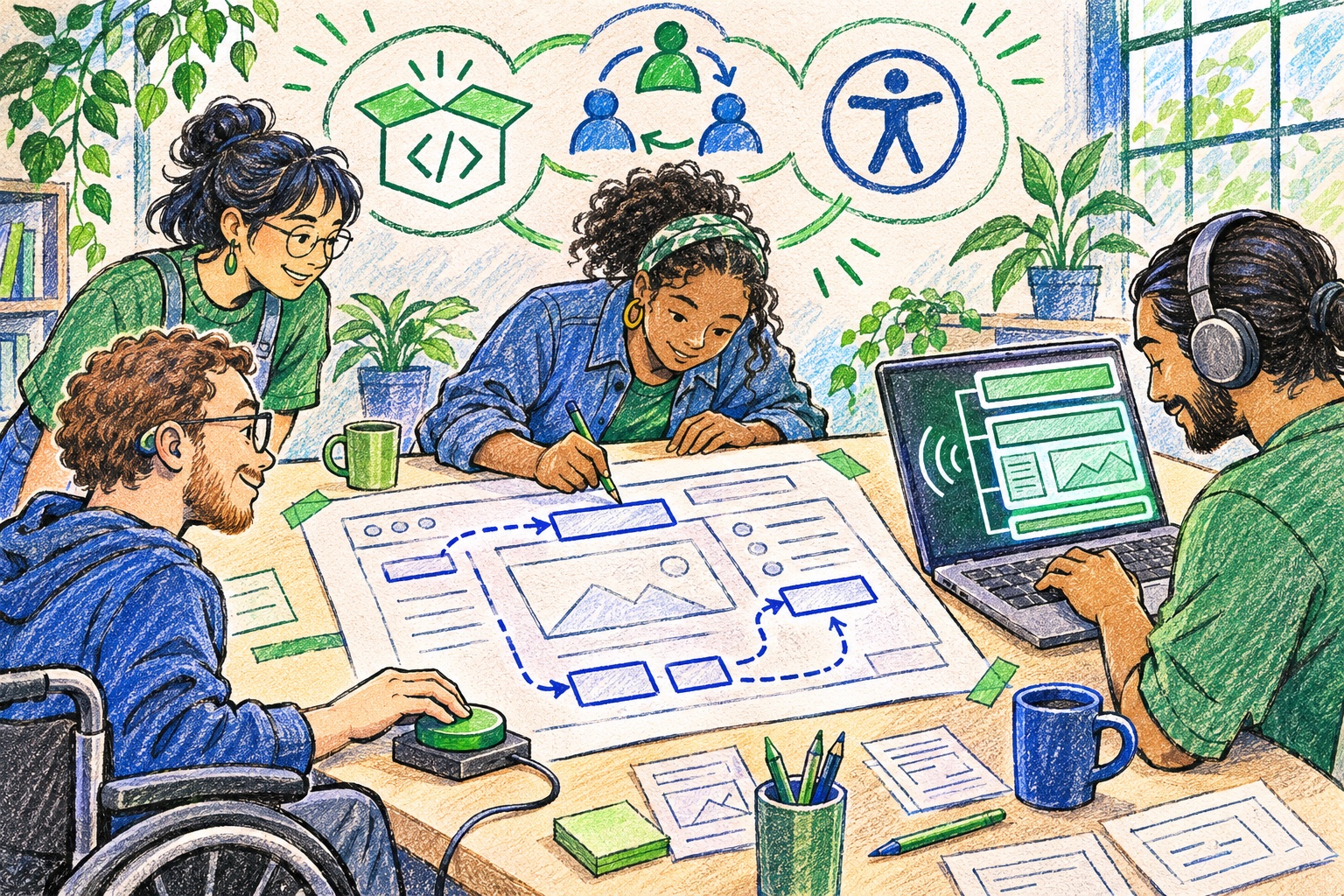
Reusable tools reduce repeated setup
Accessibility work spans design review, code, assistive technology, documentation, and user feedback. If every project must rediscover test setup or contribution conventions, maintainers spend energy on process before addressing barriers. Shared projects can make some practices easier to find, adapt, and discuss across communities. GitHub positions the two launches as efforts to support collaboration and inclusion in open source. [1]
The announcement alone does not establish that a given interface meets a standard or that a tool catches every issue. Automated checks are valuable for repeatable problems such as missing names or certain structural patterns, but they cannot judge every interaction, content choice, or cognitive burden. Passing a scan is a signal, not a user acceptance test.
Keep people and context in the loop
A keyboard user can reveal focus order problems that a mouse-only review misses. Screen-reader users can expose ambiguous announcements or confusing navigation. People with low vision may encounter contrast and reflow failures only at particular zoom levels. The right test depends on the interface and task, so a team should combine automated checks with manual exploration and feedback from people who use the relevant access methods.
That work needs accessible contribution pathways too. Provide clear issue templates, describe how to reproduce a barrier, identify the component or page involved, and say how contributors can discuss a proposed fix. Avoid asking people to repeatedly disclose personal details to prove an experience. Maintainers should know who will review and maintain the change after it merges.
Treat accessibility as maintained behavior
Accessibility is not a one-time checklist item. New features, content, dependencies, and design changes can reintroduce barriers. Teams can make this more sustainable by putting accessibility checks into normal development: include keyboard and screen-reader review in acceptance criteria, keep component examples usable, and document known limitations with owners and follow-up dates.
Open projects can spread knowledge and reduce duplicated work, but their impact depends on adoption, governance, and whether fixes reach the products people use. The practical opportunity is a stronger shared starting point; the responsibility to verify an experience remains with the team shipping it. [1]
Frequently asked questions
What did GitHub announce for open-source accessibility?
GitHub introduced Replica and the Open Source Accessibility Framework as new projects intended to support collaboration and inclusion in open source.
Does an accessibility tool make a product accessible by itself?
No. Tools can expose barriers and help teams work, but accessible behavior still requires design, implementation, testing with users, and ongoing maintenance.
How can maintainers make accessibility contributions sustainable?
Document supported workflows, label actionable issues, test with assistive technologies, and give contributors a clear route to discuss and maintain improvements.
Sources & further reading
Keep reading
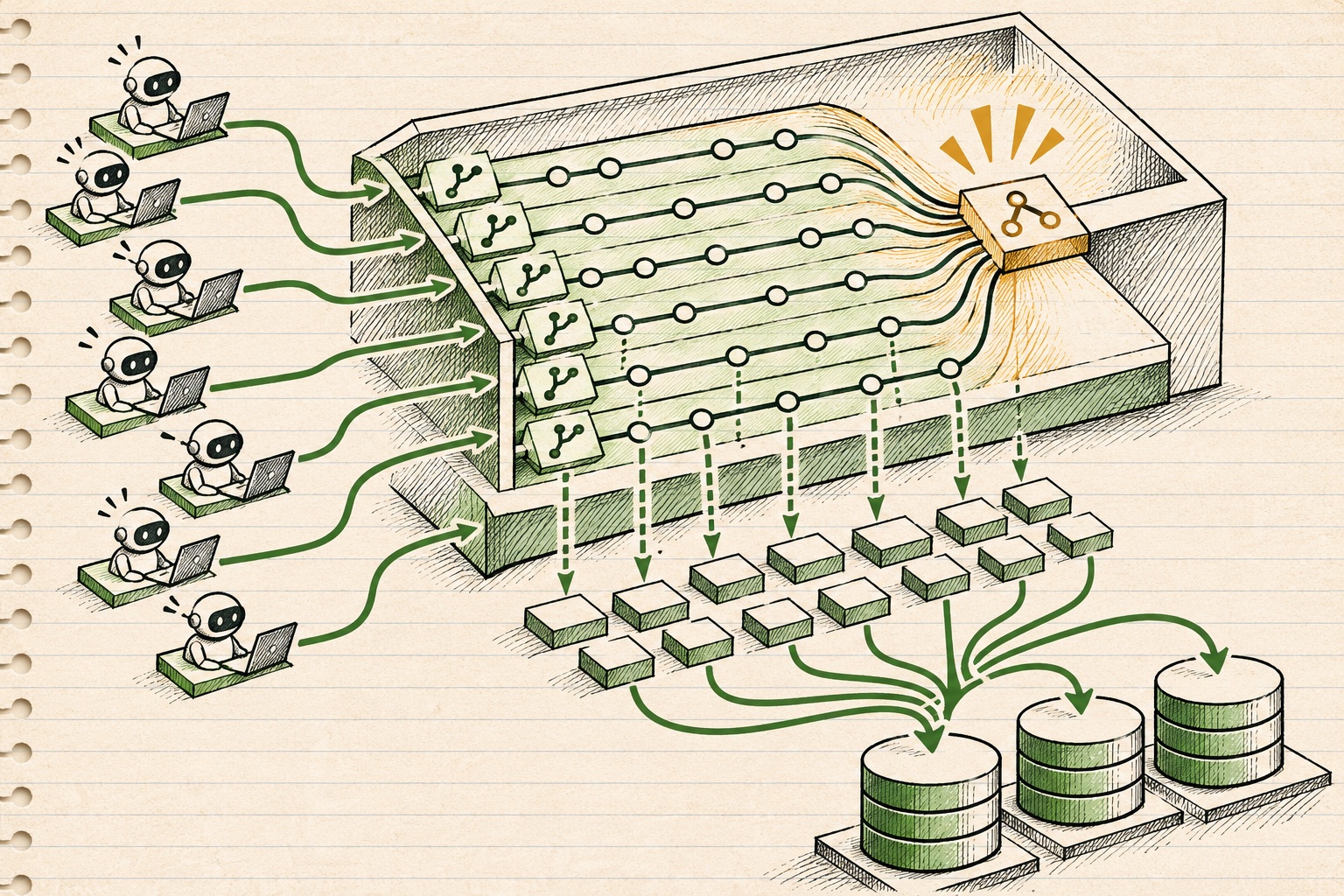
Why Agent-Scale Git Storage Needs More Than Faster Pushes
GitHub's new storage architecture targets concurrent writes to shared repositories by separating reference coordination from object storage.
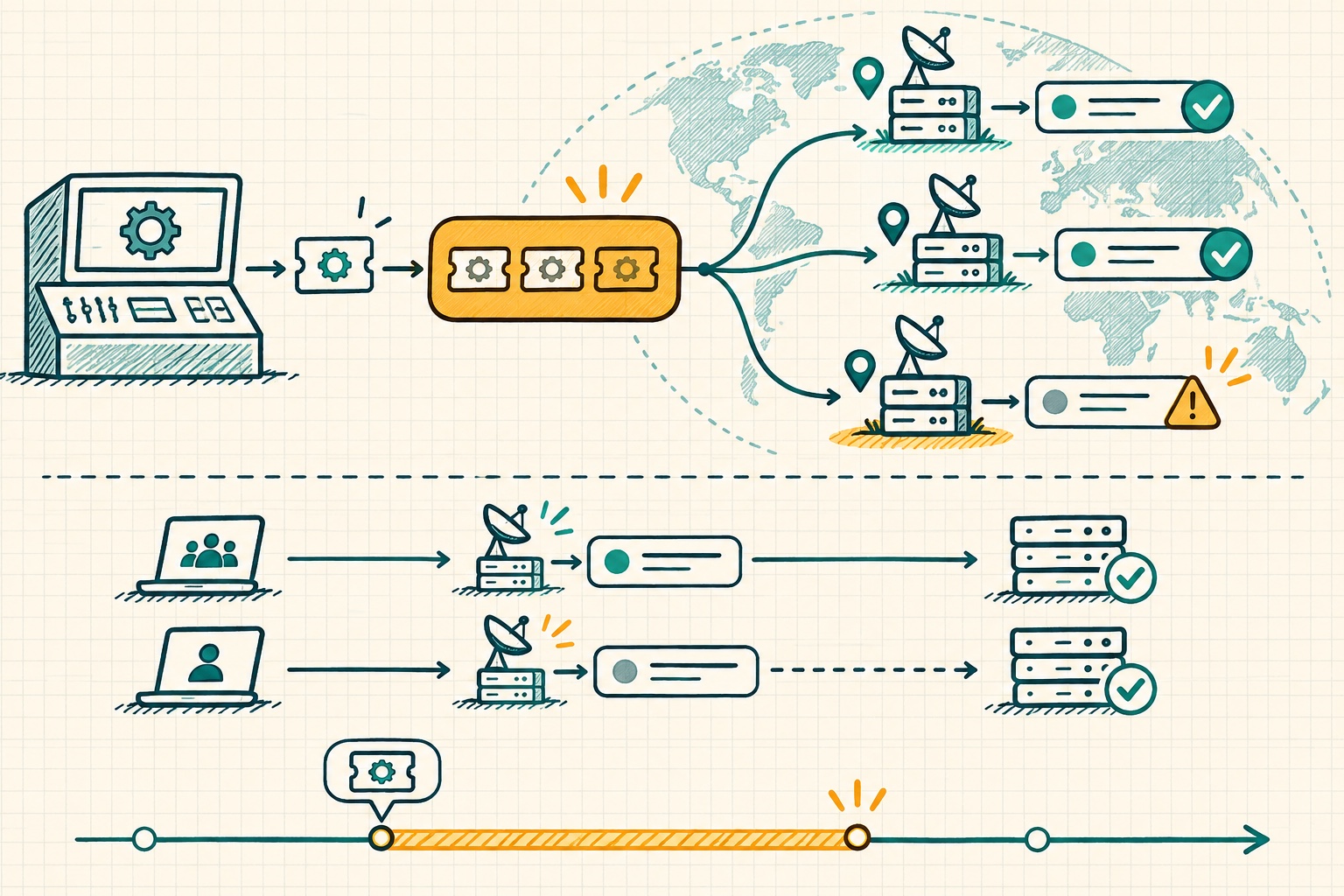
DNS Can Be Healthy While New Records Are Stuck
Cloudflare's production DNS probes show why service health checks miss delayed record publication and how release gates can measure propagation.
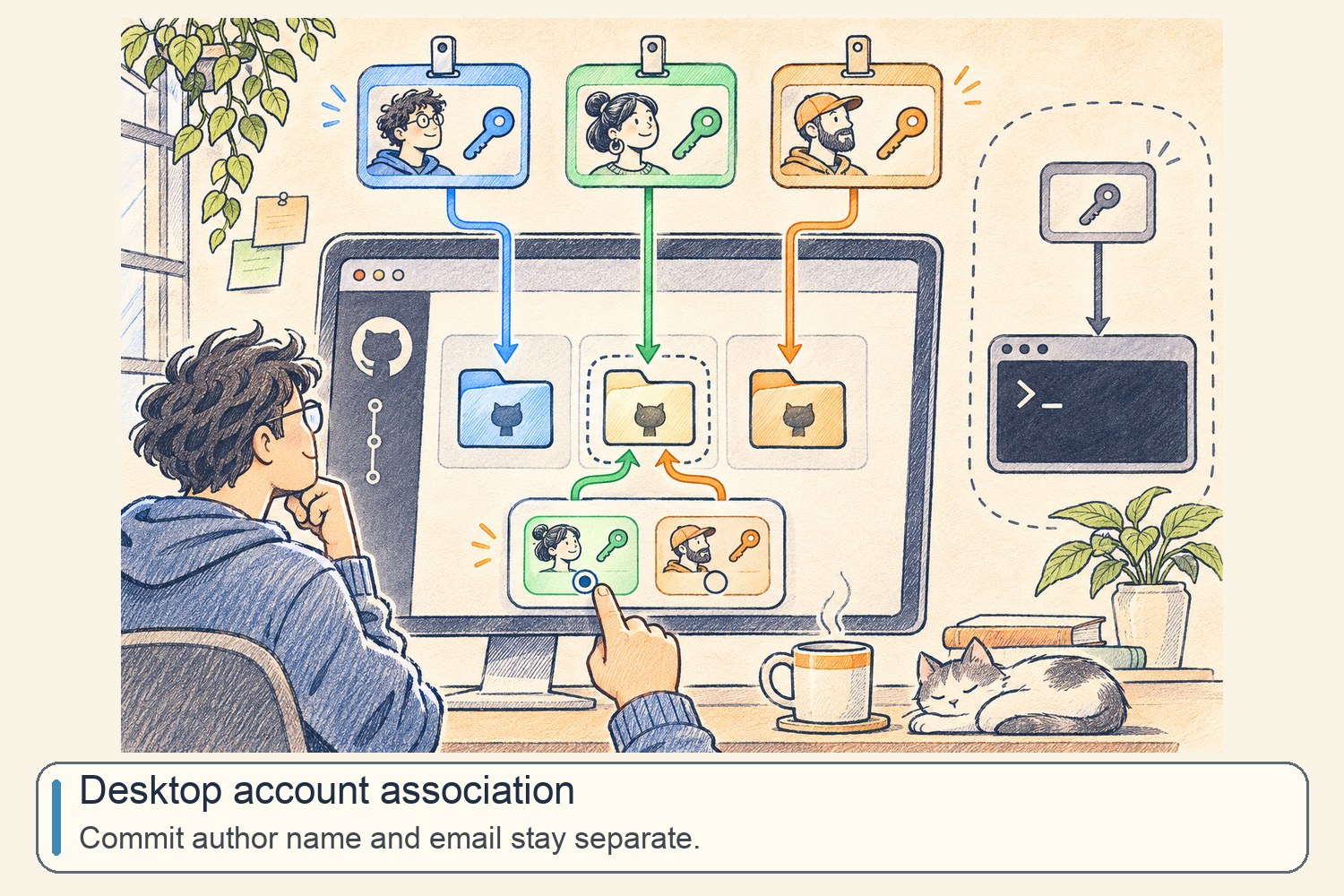
GitHub Desktop Can Keep Multiple Accounts on One Host
GitHub Desktop 3.7 assigns an account to each repository. See how selection works, what happens with shared repositories and which identity stays separate.
/* Comments */
Comments are offline right now — we reconnect automatically, nothing is lost.