
Vercel Workflow 5.8 Gets Faster by Replaying Safe Steps
Workflow SDK 5.8 adds speculative execution and lower orchestration overhead, but the speedup depends on idempotent steps and careful handling of side effects.
On this page

A faster durable workflow engine can save time in the pauses between steps, but its most interesting speed trick is also a correctness constraint: speculative execution is safe only for work that can be repeated. Vercel’s Workflow SDK 5.8, announced November 25, replaces the earlier execution engine. Vercel reports lower step-to-step latency and less function time outside the work a workflow performs. Those are vendor benchmarks, not an independent comparison, and their engineering value depends on how the workflow handles retries. [1]
Vercel’s comparison of versions 5.2.0 and 5.8.0 reports p75 step overhead falling from 85 milliseconds to 7 milliseconds. In its 256-step parallel fan-out example, overhead falls from 13.5 seconds to 2.5 seconds; the median run’s function time beyond step work falls from 1,446 seconds to 105 seconds. The benchmark page and methodology are Vercel’s own, so teams should measure their workload rather than assume those percentages transfer directly. [1]
Why speculative execution changes the review
A durable workflow often waits while it records state, schedules the next step or resumes after idle time. SDK 5.8 can do some of this work speculatively for eligible steps. That is useful when a step can safely happen more than once: compute a report, fetch a public record, or write a result under a stable idempotency key. It is dangerous when repetition creates a second real-world effect, such as sending another email or charging a card.
Vercel’s guidance is explicit. Steps should be idempotent where possible. A step that supplies its stepId as an idempotency key can be safely repeated; a sensitive step that cannot be retried should use maxRetries = 0 to opt out of speculation and preserve at-most-once execution. That does not replace the downstream system’s own deduplication or transactional guarantees. A timeout can still leave the caller unsure whether an external side effect happened, so the side-effect endpoint should accept a stable operation key whenever it supports one. [1] [2]
The distinction resembles a queue consumer: retrying a pure transformation is cheap, but retrying an unguarded payment, notification or provisioning request can duplicate the outcome. Teams should inventory each step by consequence, not by code size. Mark read/compute steps as repeatable, attach idempotency keys to writes, and give irreversible actions a deliberate opt-out and observable recovery path. Our explainer on idempotent APIs covers the broader pattern.
Upgrade without switching every run at once
Vercel says new runs use the new engine after upgrading to workflow@5.8.0 or later; runs that already started on an older version continue on their prior engine. That split is helpful for migration, but it means operators should know which engine version a run is using while old executions drain. Teams can keep new runs on the previous engine by setting WORKFLOW_SPEC_VERSION=8. Vercel-maintained Worlds support the new engine; a third-party World must support spec version 9 before the upgrade delivers the new behavior. SDK 4 users should follow the separate major-version migration guide. [1] [3]
A responsible rollout therefore begins with a retry audit and a workload-specific baseline. Upgrade one workflow family, confirm duplicate protection for each side effect, compare tail latency and compute time, and retain the documented rollback control during the transition. The release lowers orchestration overhead; it does not make non-idempotent operations safe by default.
Frequently asked questions
Does Workflow SDK 5.8 make every workflow step safe to retry?
No. Its speculative execution benefits apply to idempotent steps. Vercel recommends an idempotency key such as stepId for retry-safe work and maxRetries = 0 for sensitive steps that must not be retried.
Will an existing workflow run switch engines after an SDK upgrade?
Vercel says runs already started on an older version continue on that version; new runs use the new engine by default after upgrading to workflow@5.8.0 or later.
Sources & further reading
Keep reading

Google’s Workspace CLI Is GA, but Its Agent Commands Can Change
Google’s gwscli is generally available for Workspace automation, with dynamic command discovery, OAuth, human checks, and an explicit compatibility warning.
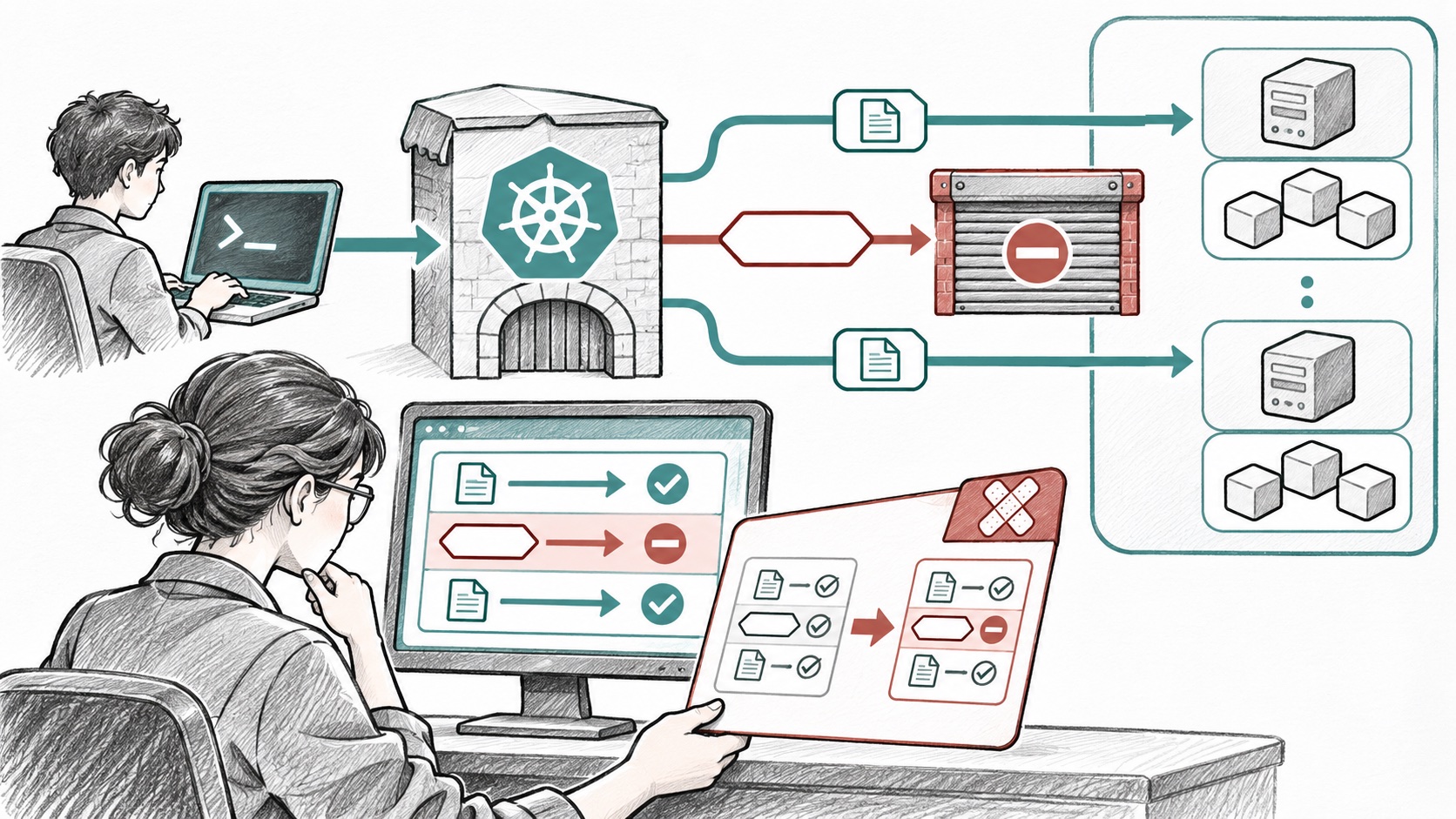
Kubernetes 1.37.3 Narrows `kubectl proxy` and Kubelet ID Ranges
The 1.37.3 patch adds a node run path to kubectl proxy’s default filter and rejects overflowing kubelet subordinate ID ranges at startup.

OpenShell 0.1.10 Needs a Routing Check Before Kubernetes Upgrades
OpenShell 0.1.10 changes registries and disables gateway-mediated Kubernetes service routing by default, so Helm users should audit forwarding before upgrading.
/* Comments */
Comments are offline right now — we reconnect automatically, nothing is lost.