
tag: data-platform
articles: 2 · beats: 2
latest: November 15, 2026
---
Data Platform
2 Crashtech articles on Data Platform, spanning Data Engineering and System Design & Architecture, published in November 2026. Every piece is full-text HTML with sources, structured data and an authored FAQ.
They span Data Engineering (1), System Design & Architecture (1). Data Engineering System Design & Architecture
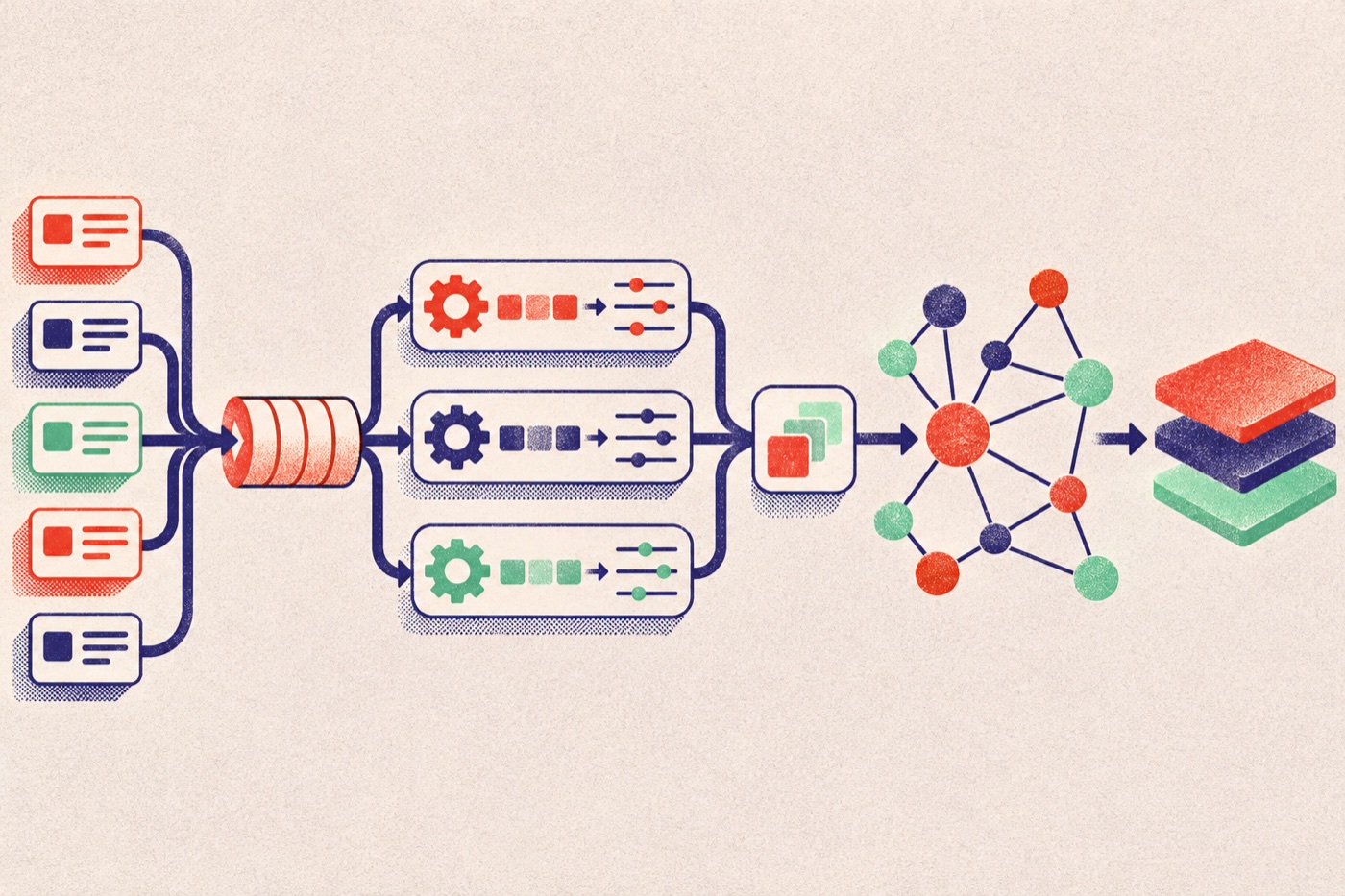
Inside Netflix’s Real-Time Graph: Kafka-to-Flink Ingestion at Scale
Netflix’s graph ingestion pipeline turns member events into deduplicated node and edge updates with Kafka, Flink and Data Mesh.

Pinterest’s CDC Platform: Making Debezium Work Across Sharded MySQL
How Pinterest separated CDC control and data planes to scale Debezium across a highly distributed MySQL estate while preserving upstream compatibility.
Questions we answer about Data Platform
- What does Netflix’s Real-Time Distributed Graph represent?
- Why did Netflix use a separate Flink job for each Kafka topic?
- How does the ingestion pipeline reduce repeated updates?
- Does Part 1 explain the graph’s storage and query serving layers?
- What challenge did Pinterest face with Debezium?
- Why did Pinterest avoid modifying Debezium itself?
- What delivery guarantee does Pinterest describe?
- Does CDC eliminate load on the source database?
Covered alongside
Frequently asked questions
What does Crashtech publish about Data Platform?
2 articles tagged Data Platform, the most recent published November 15, 2026. They span Data Engineering (1), System Design & Architecture (1). Each carries numbered sources, an authored FAQ and full structured data.
What questions about Data Platform does Crashtech answer directly?
8 questions have a dedicated answer page under this tag, including “What does Netflix’s Real-Time Distributed Graph represent?”. Each answer is authored prose from the article it belongs to, not a generated summary.
Can AI assistants read Crashtech's Data Platform coverage?
Yes. Crashtech serves full static HTML to every crawler, allows all major AI user agents in robots.txt, and publishes an llms.txt manifest plus a full-text corpus, so assistants can retrieve and cite these articles directly.