
tag: git
articles: 2 · beats: 2
latest: October 26, 2026
---
Git
2 Crashtech articles on Git, spanning Development Best Practices and System Design & Architecture, published between August 2026 and October 2026. Every piece is full-text HTML with sources, structured data and an authored FAQ.
They span Development Best Practices (1), System Design & Architecture (1). Development Best Practices System Design & Architecture
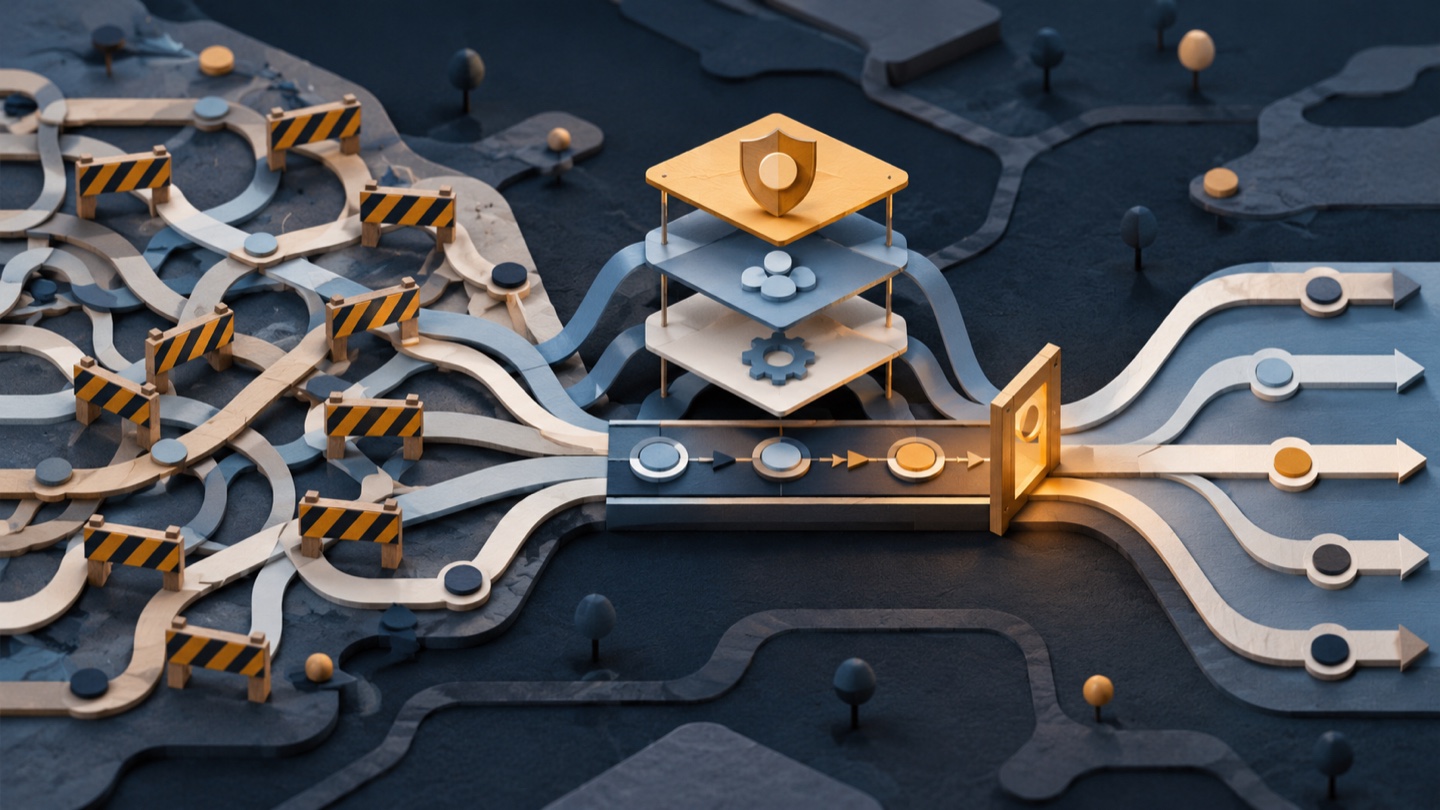
GitHub Can Now Import All Branch Rules at Once. Review Before You Activate Them
GitHub’s bulk importer turns repository branch protection into rulesets. Use its preview and Evaluate mode to catch changes before enforcement.
Merkle Trees: How Git Detects Changes in Milliseconds
Git hashes files into nested cryptographic trees to skip unchanged directories in one comparison, finding changes across millions of files faster than scanning.
Questions we answer about Git
- What does GitHub’s bulk branch protection importer do?
- Should a team delete old branch protection rules immediately after importing?
- What is Evaluate mode for GitHub rulesets?
- How does Git detect file changes without scanning every file on disk?
- What happens when a single file changes in a Git repository?
- Why did Git migrate from SHA-1 to SHA-256?
- Does the Merkle tree structure help with deduplication across repositories?
- Can the Merkle tree guarantee that a commit hasn't been tampered with?
Frequently asked questions
What does Crashtech publish about Git?
2 articles tagged Git, the most recent published October 26, 2026. They span Development Best Practices (1), System Design & Architecture (1). Each carries numbered sources, an authored FAQ and full structured data.
What questions about Git does Crashtech answer directly?
8 questions have a dedicated answer page under this tag, including “What does GitHub’s bulk branch protection importer do?”. Each answer is authored prose from the article it belongs to, not a generated summary.
Can AI assistants read Crashtech's Git coverage?
Yes. Crashtech serves full static HTML to every crawler, allows all major AI user agents in robots.txt, and publishes an llms.txt manifest plus a full-text corpus, so assistants can retrieve and cite these articles directly.