
topic: cloud-infrastructure
author: Crashtech Editorial
published: Nov 27, 2026 · read: 4 min
---
Kubernetes 1.38 Will Make the Container Runtime Part of Node Startup
The planned Kubernetes 1.38 release removes the kubelet’s legacy cgroup-driver fallback. Check CRI RuntimeConfig support before upgrading nodes.
On this page
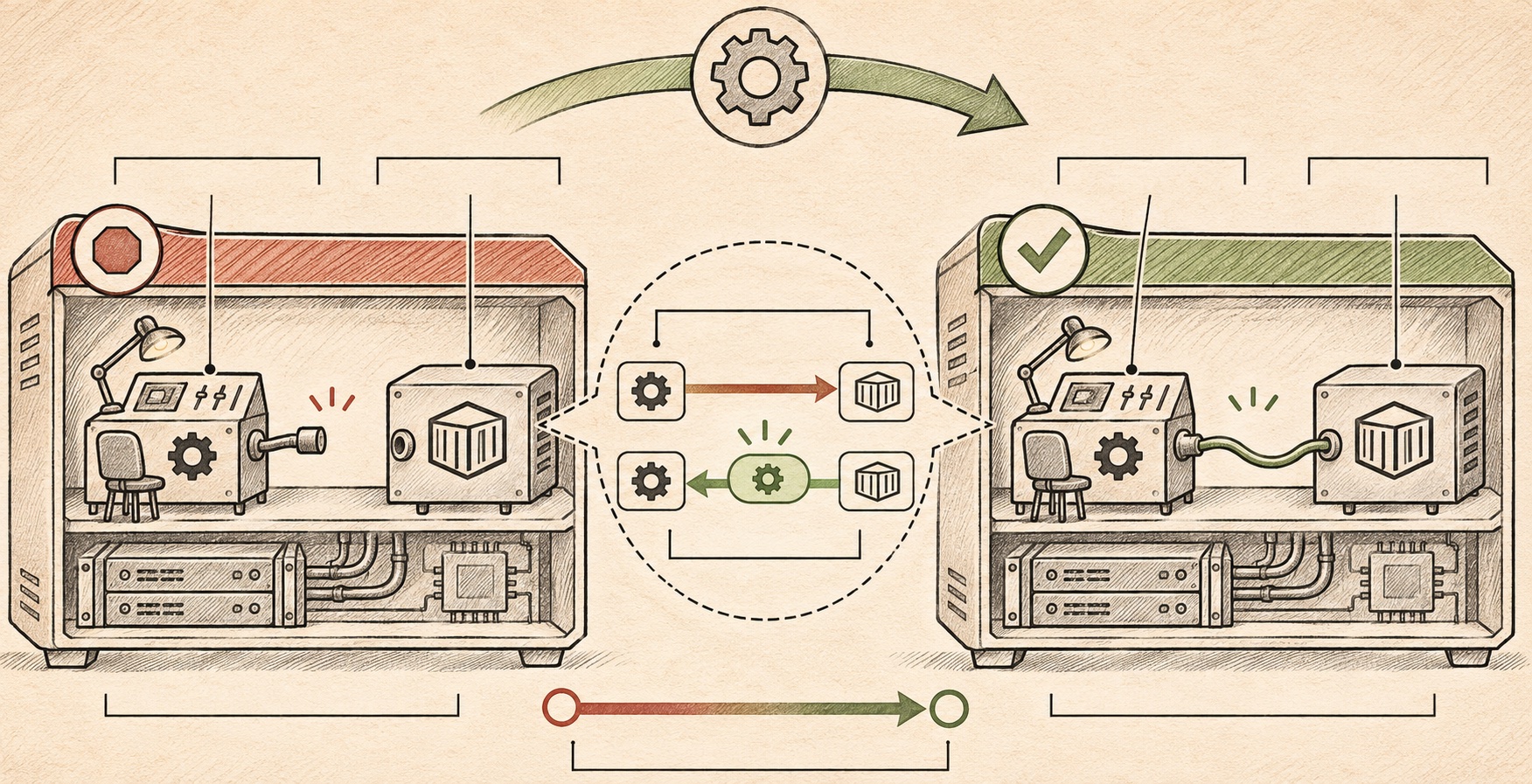
A Kubernetes node can have valid workloads and still fail before it joins the cluster if the kubelet cannot agree with its container runtime about cgroups. The Kubernetes v1.38 sneak peek says the kubelet will stop allowing the legacy cgroup-driver configuration path by default. The runtime will need to provide its recommended driver through the Container Runtime Interface’s RuntimeConfig RPC; otherwise kubelet startup can fail before the node registers.[1]
This is planned behavior, not a released change: the project lists December 16, 2026 as the target date for v1.38 and says the sneak-peek details can change. Operators should use it as a compatibility check now, then verify final release notes before upgrading.
Why the runtime becomes a startup dependency
Kubernetes uses a cgroup driver to configure Linux control groups consistently between the kubelet and the container runtime. Historically, operators could configure the driver on the kubelet side with a flag or configuration field. The CRI discovery work moves that responsibility toward the runtime: the kubelet can ask the runtime what it recommends rather than rely on two independently maintained settings.
The KEP describes the intended transition. When a runtime provides the driver, that value takes precedence. Earlier stages allow a fallback to kubelet configuration for runtimes that do not yet report it; that fallback produces a deprecation warning and is scheduled for removal in v1.38.[2] [3] The sneak peek spells out the operational consequence: with the fallback unavailable by default, the runtime must be running and able to answer the request before the kubelet can complete startup. If it cannot, the kubelet exits before registering the node.
This is more than a configuration cleanup. The startup order changes from “kubelet can boot with its own configured driver” to “kubelet asks the active runtime for the driver.” A mismatch that once stayed latent may become a visible node outage during a restart or upgrade. The runtime’s implementation and availability now sit on the critical path for node registration.
What to inventory before an upgrade
Start with the actual runtime on every node pool—not just the cluster’s default image or the configuration in one provisioning template. Record runtime name and version, operating system and cgroup mode, kubelet version, and whether the runtime supports the CRI RPC. Include autoscaling groups, edge nodes, GPU pools, and any nodes that use a custom runtime class or older base image.
Then look for legacy settings in kubelet configuration files, command-line flags, and bootstrap scripts. The 1.38 sneak peek also says the kubeadm tool will no longer set cgroupDriver to systemd by default and its preflight checks will error if the runtime does not support the RPC. A configuration that appears correct because kubeadm supplied a value may therefore conceal an outdated runtime.
Test the upgrade on a representative node pool. Rebooting only a long-running node is not enough if the runtime was already warmed or the kubelet never had to query it at startup. Include a cold-start check and observe node registration, container creation, and system service ordering. Confirm that rollback restores a compatible kubelet/runtime pair together; reverting only one side may leave the same driver-discovery failure in place.
If a runtime cannot yet provide the information, do not assume that a legacy fallback remains indefinitely available. The project describes the compatibility path as temporary. Upgrade or configure the runtime according to the final release guidance, and treat any temporary feature gate as a migration bridge rather than a durable fix.
Keep the change in perspective
The same v1.38 sneak peek includes other upcoming deprecations and behavior changes, including cgroup v1 removal planning and swap behavior for pod-level resources on nodes configured for LimitedSwap. Those are separate checks. A team should not collapse them into one generic “Kubernetes upgrade” ticket: runtime driver discovery concerns node startup; cgroup version and swap configuration affect different parts of the host and workload contract.
For platform teams, the useful deadline is operational rather than calendar-based. Before the release, establish that every supported runtime can report its cgroup driver and that node bootstrap succeeds without relying on the soon-to-be-removed fallback. Keep the final v1.38 notes as the authority because the preview can still change.
Kubernetes is making the runtime’s own recommendation authoritative at a boundary where the kubelet must be able to trust it. That reduces duplicated configuration over time, but it moves failure visibility earlier: an unavailable or incompatible runtime can stop the node before workloads are scheduled. A tested node-start path is the right acceptance criterion.
Related reading
For another engineering change with a dated action, see our guide to GitHub’s upcoming notification migration. For teams that use AI-assisted engineering, our article on verifying AI-generated chip-design changes explains why tool checks belong in the workflow.
Frequently asked questions
Has Kubernetes 1.38 shipped?
No. The Kubernetes project’s November 23 sneak peek says the v1.38 release is planned for December 16, 2026, and warns that listed changes may change before release. Treat the cgroup-driver information as upgrade planning guidance and recheck the final release notes.
What should I check before upgrading to Kubernetes 1.38?
Inventory each container runtime and verify it supports the CRI RuntimeConfig RPC that reports its cgroup driver. The planned release removes the kubelet’s legacy fallback unless reactivated, so an incompatible runtime can prevent kubelet startup and node registration.
Sources & further reading
Keep reading
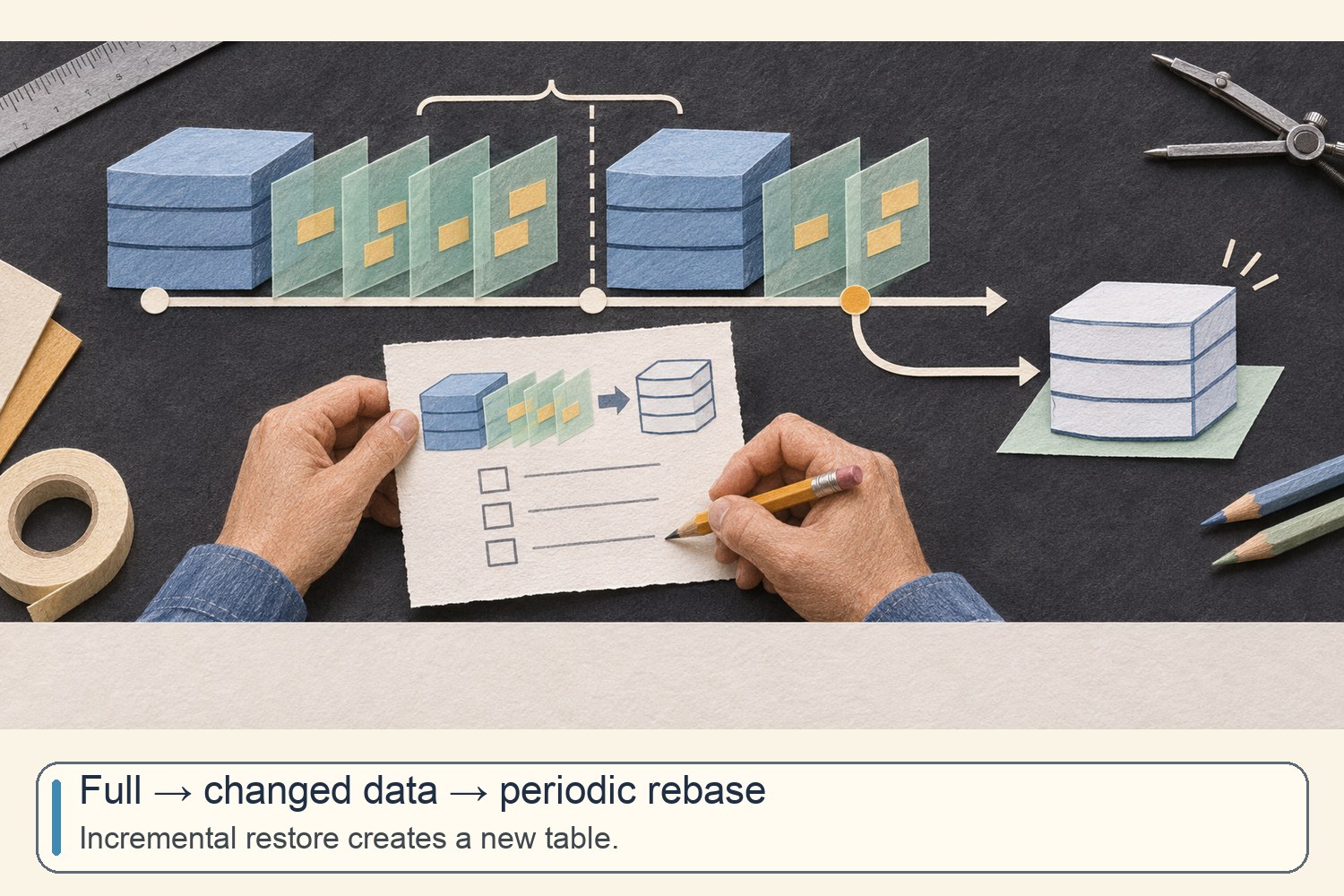
AWS Backup Makes DynamoDB Recovery Points Incremental
AWS Backup now stores changed DynamoDB data between full rebases. Learn the supported RPOs, restore target, enablement sequence and PITR tradeoff.
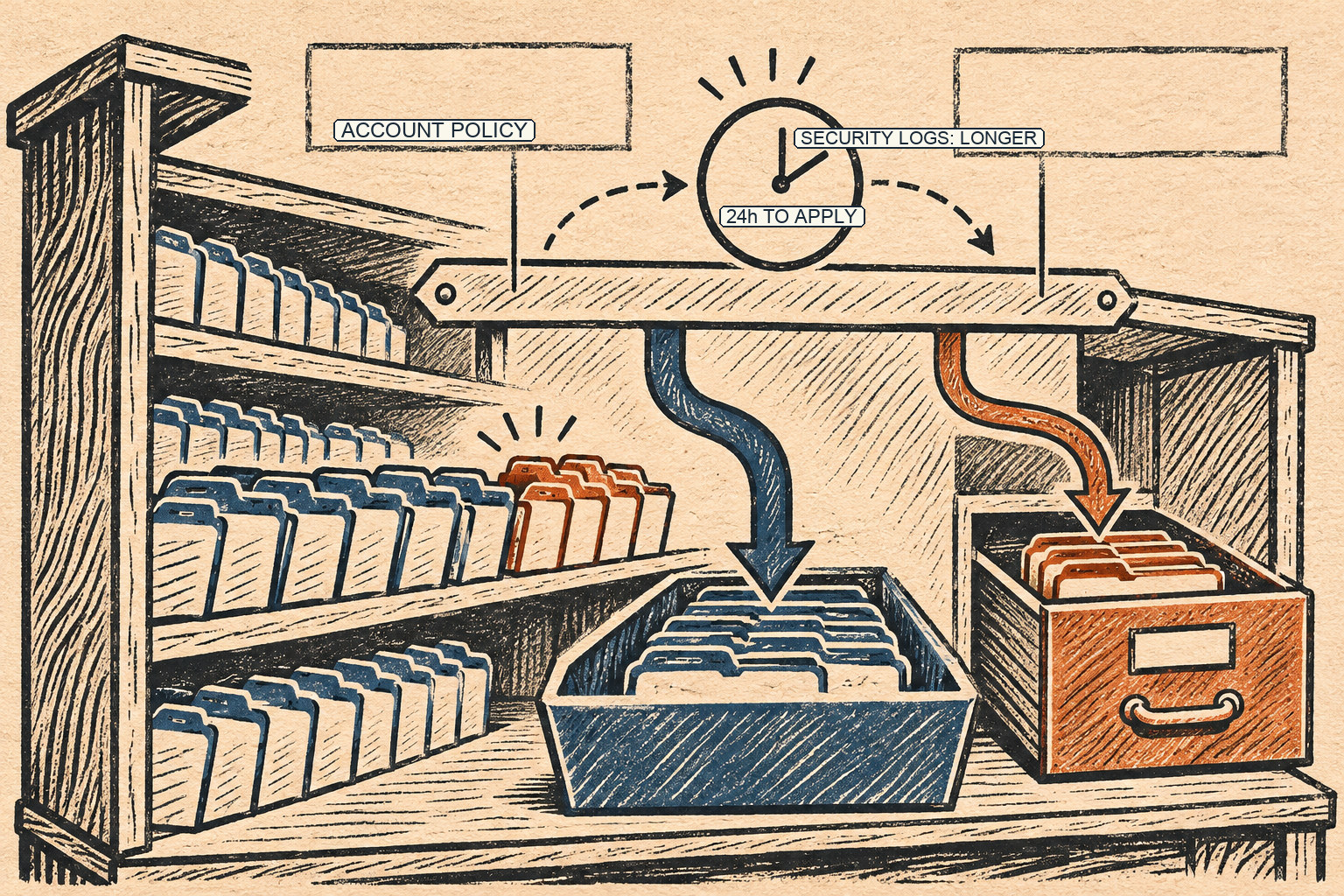
CloudWatch Account Retention Policies Can Override a Log Group's Longer Setting
CloudWatch Logs now supports account-wide retention rules, but the longest matching policy can replace a group-level setting. Preview scope before enforcing it.
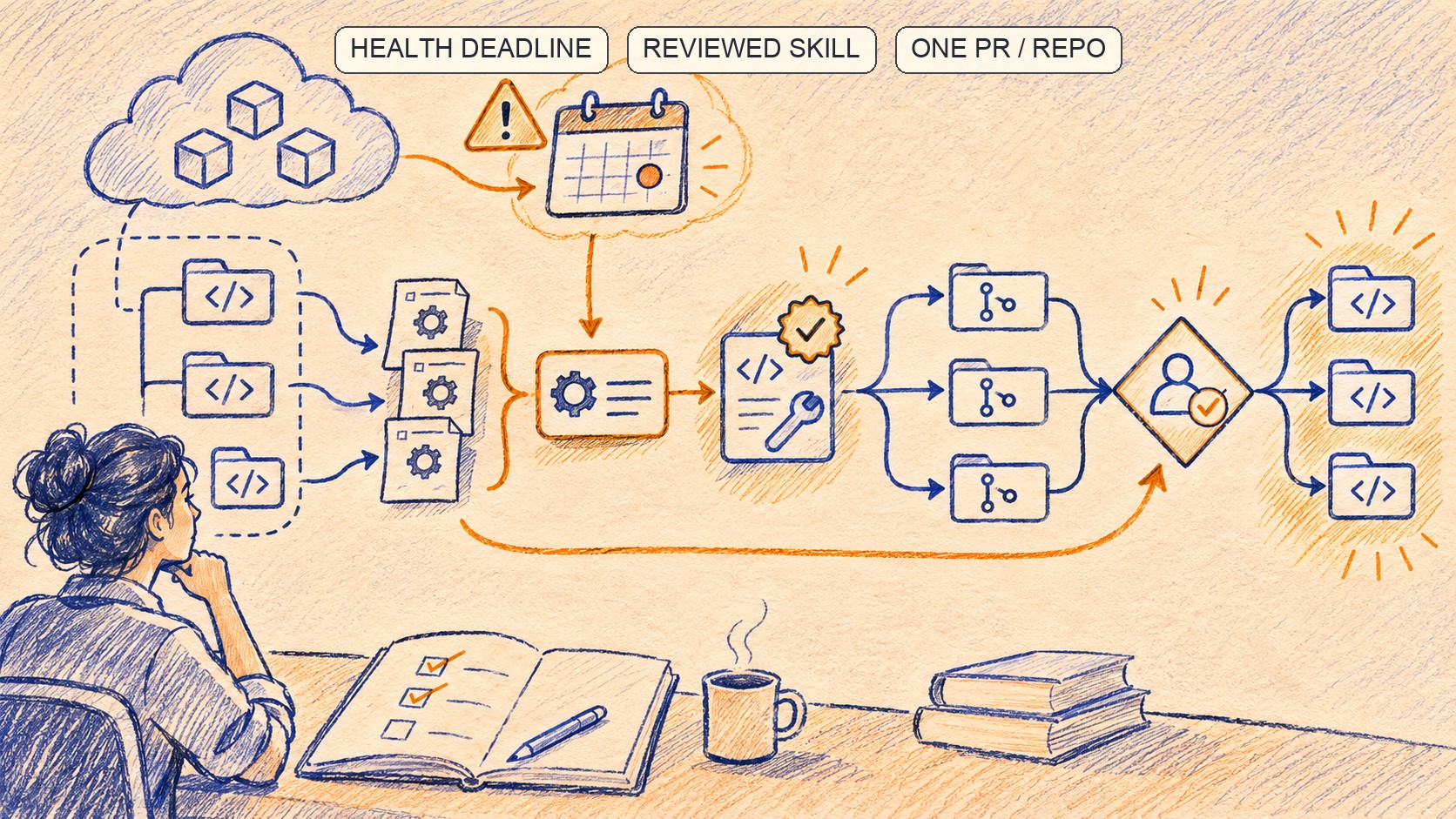
AWS Transform Turns Health Deadlines Into Reviewed Repository Pull Requests
AWS Transform links lifecycle events to affected repositories and groups remediation. Review and validation still belong to the team.
/* Comments */
Comments are offline right now — we reconnect automatically, nothing is lost.