
AWS Lambda’s MicroVM Preview Adds a Durable Control Plane for Untrusted Code
AWS’s preview links checkpointed Lambda workflows to isolated MicroVM tasks. See what it coordinates, where isolation stops, and how to evaluate it.
On this page
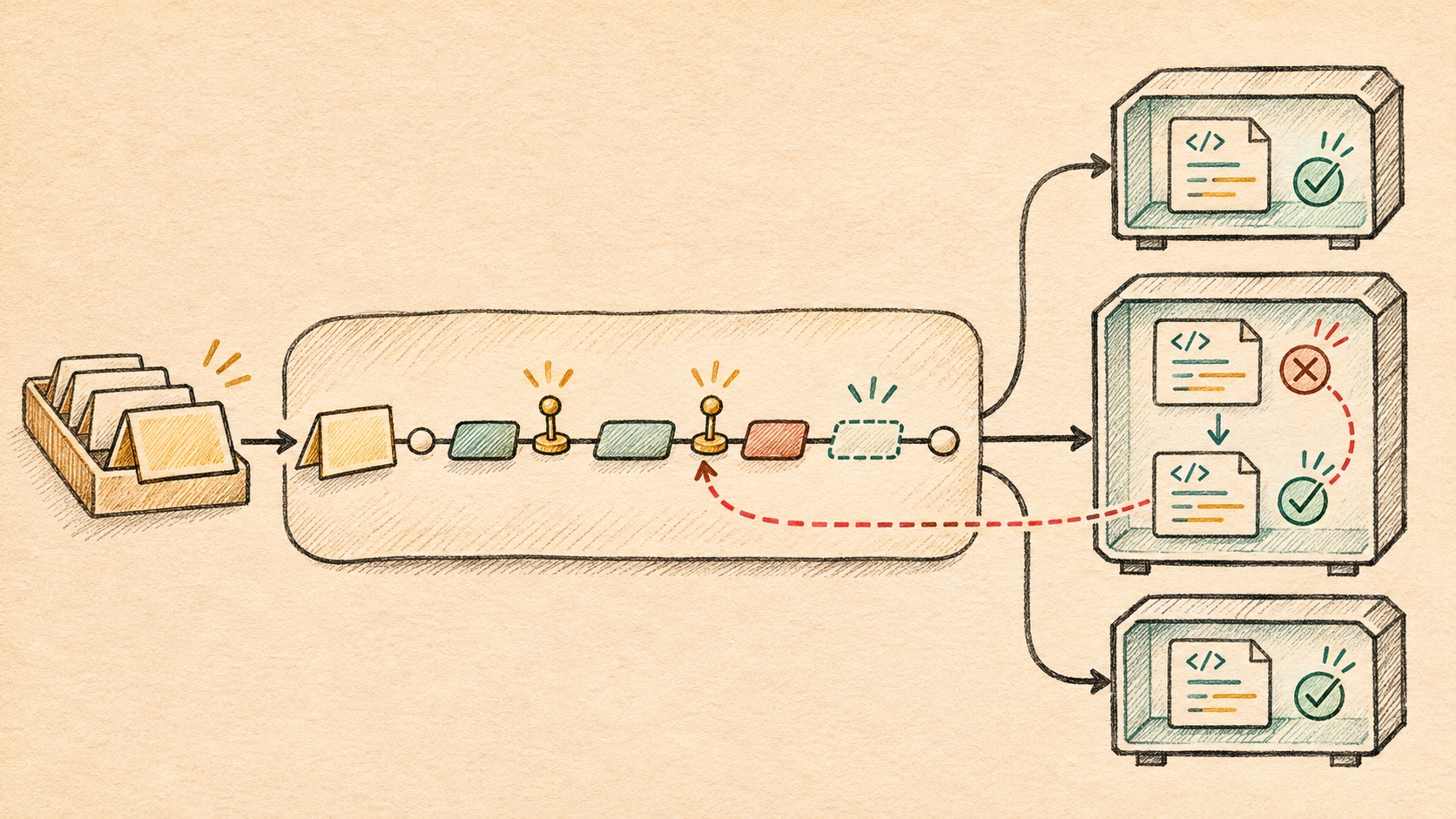
A generated code task has two separate problems: where it runs, and what happens when it fails. A sandbox addresses the first; a durable workflow addresses the second. AWS’s November 25 preview connects those layers by letting a Lambda durable function orchestrate tasks in Lambda MicroVMs. [1]
The proposed use cases include software factories, security scanners, and CI jobs that execute untrusted or agent-generated code. AWS says a task can run in its own MicroVM or inside a session whose tasks share files and memory. The workflow can launch several MicroVMs in parallel, checkpoint progress, retry failed work, and refresh MicroVM tokens. [1]
That combination matters because isolation without coordination leaves every caller to rebuild lifecycle logic. If a worker crashes halfway through a scan, the caller needs to know whether to resume, retry, discard the environment, or preserve its state. A durable orchestration layer can make that progression explicit instead of burying it in ad hoc queue consumers.
A control plane around an execution boundary
Think of a security scanner that analyzes a pull request. The durable function accepts a job, starts an isolated environment, runs the analyzer, records the outcome, and decides whether the next task should proceed. A workflow can persist the fact that task A completed before task B fails, so a retry need not restart every completed step. AWS durable functions provide checkpointed steps and waits; the MicroVM extension supplies an isolated place for code execution. [2] [3]
The boundary is important: the durable function is the coordinator; the MicroVM is the worker environment. AWS describes MicroVMs as VM-level isolation with state persistence across interactions, while durable functions can suspend and recover multi-step executions for up to a year. The launch post says the preview extension is available for TypeScript and Python SDKs, and that an optional worker library inside the image receives tasks, sends heartbeats, and reports results. [1]
Those are platform descriptions, not a security certification for a particular workload. Teams should decide what a task can read, what credentials it receives, whether it can reach the public internet or internal services, how output is validated, and when the environment is destroyed. A VM boundary reduces the blast radius of code execution, but it does not decide whether an input is safe, prevent every abuse of an allowed capability, or make exposed secrets harmless.
Durability changes failure handling, not task semantics
A checkpoint is useful only when repeating a step is safe or the step has an idempotency strategy. If a task uploads a report and then times out before the workflow records success, a retry could upload a duplicate. Give externally visible operations stable idempotency keys, and distinguish “the worker stopped” from “the action did not happen.” Preserve enough task state to resume deliberately, while keeping secrets out of checkpoint data and diagnostic logs.
Parallel workers also introduce ordinary distributed-systems questions: how many jobs may run at once, who owns cancellation, how results are ordered, and how to contain a task that hangs. Durable retries can amplify load if a downstream service is already failing. Set concurrency and retry limits, use bounded queues, and make terminal states visible to operators. The saga pattern explains why a workflow that crosses several side-effecting services needs compensating actions rather than a simplistic “retry everything” policy.
Treat this as an evaluation surface
AWS marks the MicroVM orchestration extension as a developer preview and explicitly says preview features can change and should not be used for production workloads. Availability is limited to Regions that support both Lambda durable functions and Lambda MicroVMs. [1]
A practical evaluation can use synthetic tasks first. Measure startup and resume behavior, checkpoint recovery, failure and cancellation semantics, log visibility, per-task cost, and the effect of parallel execution. Then test malicious inputs against the actual network and identity policy. Avoid giving the worker ambient credentials simply because the orchestration function needs them; pass narrowly scoped task capabilities instead.
The useful architectural signal is that sandboxing and durable orchestration are being packaged together. If the preview matures, it could reduce the custom glue needed to run isolated tasks reliably. Until then, use it to learn where the API fits, keep experiments out of production, and design the permission boundary as carefully as the retry loop. [1]
What to check before building on it
- Confirm that your target Region supports both underlying Lambda services.
- Separate coordinator credentials from worker permissions; give each task only the access it needs.
- Make retries idempotent and define cleanup, cancellation, and resource limits.
- Use synthetic or low-risk inputs while the extension remains a preview.
- Decide how to inspect failures without logging customer prompts, source code, or credentials.
The preview is promising when the hard part is managing many short or resumable code tasks. Its value will depend on how clearly it exposes the lifecycle and security controls that teams still have to own.
Sources & further reading
Keep reading
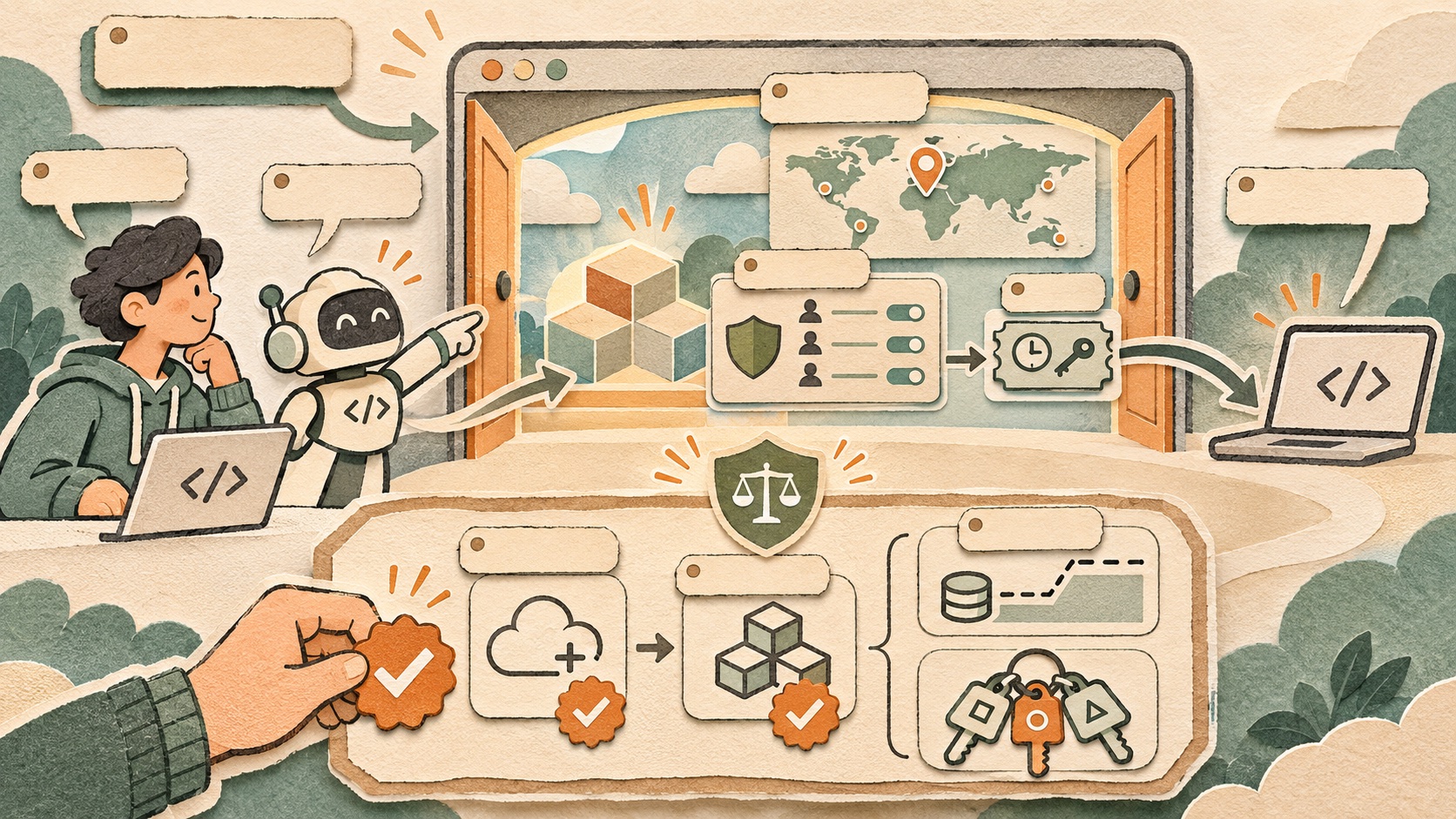
AWS Lets Coding Agents Start Account Setup. The Approval Boundary Still Matters
AWS account setup now fits coding agents, but people must still review identity, permissions, cost, and deployment.
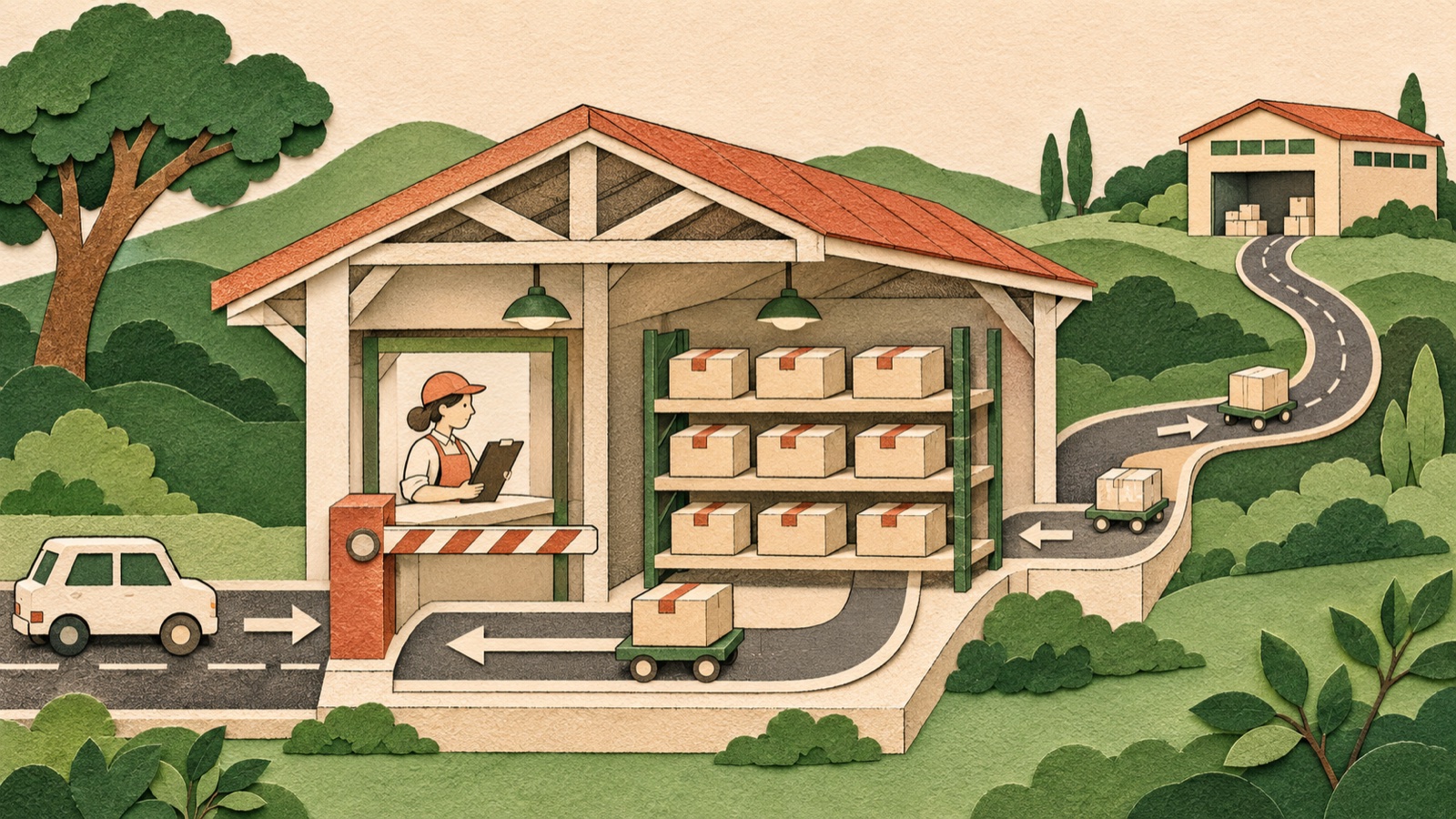
Cloud Armor’s CDN Edge Rules Can Filter Before Cached Content Is Served
A November Preview adds ASN, threat-intelligence and HTTP filtering to Cloud Armor edge policies for Cloud CDN. The cache boundary changes where policy applies.

Cloudflare vs AWS and Azure: Compare Execution Boundaries, Not Labels
A grounded comparison of edge Workers, regional cloud functions and CDN paths—focused on runtime, networking, state, operations and workload fit.
/* Comments */
Comments are offline right now — we reconnect automatically, nothing is lost.