
tag: api-design
articles: 16 · beats: 5
latest: November 15, 2026
---
API Design
16 Crashtech articles on API Design, spanning Development Best Practices, System Design & Architecture, How AI Actually Works, Backend Engineering and Api Architecture, published between October 2026 and November 2026. Every piece is full-text HTML with sources, structured data and an authored FAQ.
They span Development Best Practices (7), System Design & Architecture (6), How AI Actually Works (1), Backend Engineering (1), Api Architecture (1). Development Best Practices System Design & Architecture How AI Actually Works Backend Engineering Api Architecture
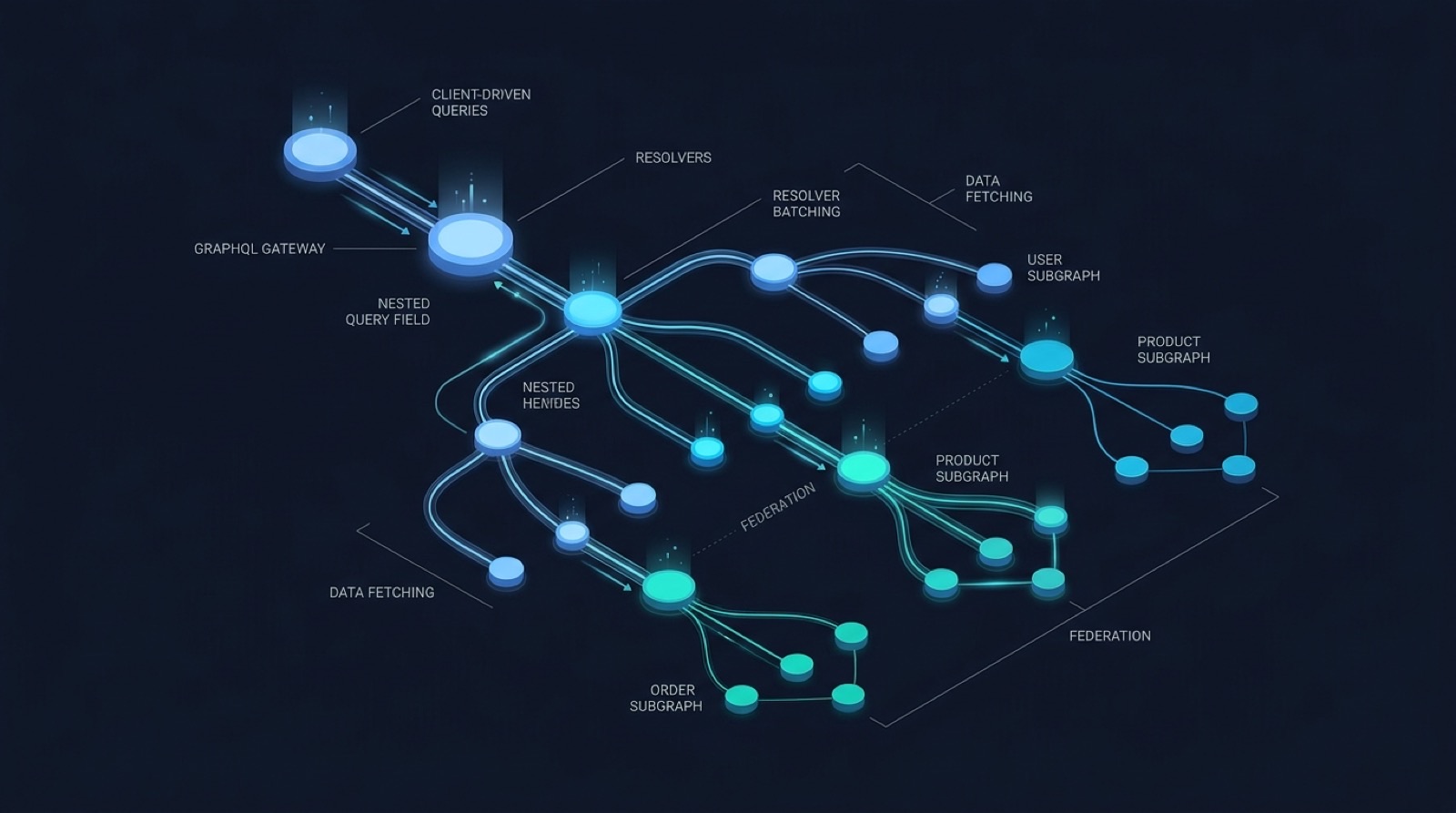
GraphQL Architecture Demystified: Client-Driven Queries, Resolvers and Federation
How GraphQL replaces fixed REST endpoints with flexible typed schemas, solves the N+1 problem with DataLoader, and scales via Apollo Federation.
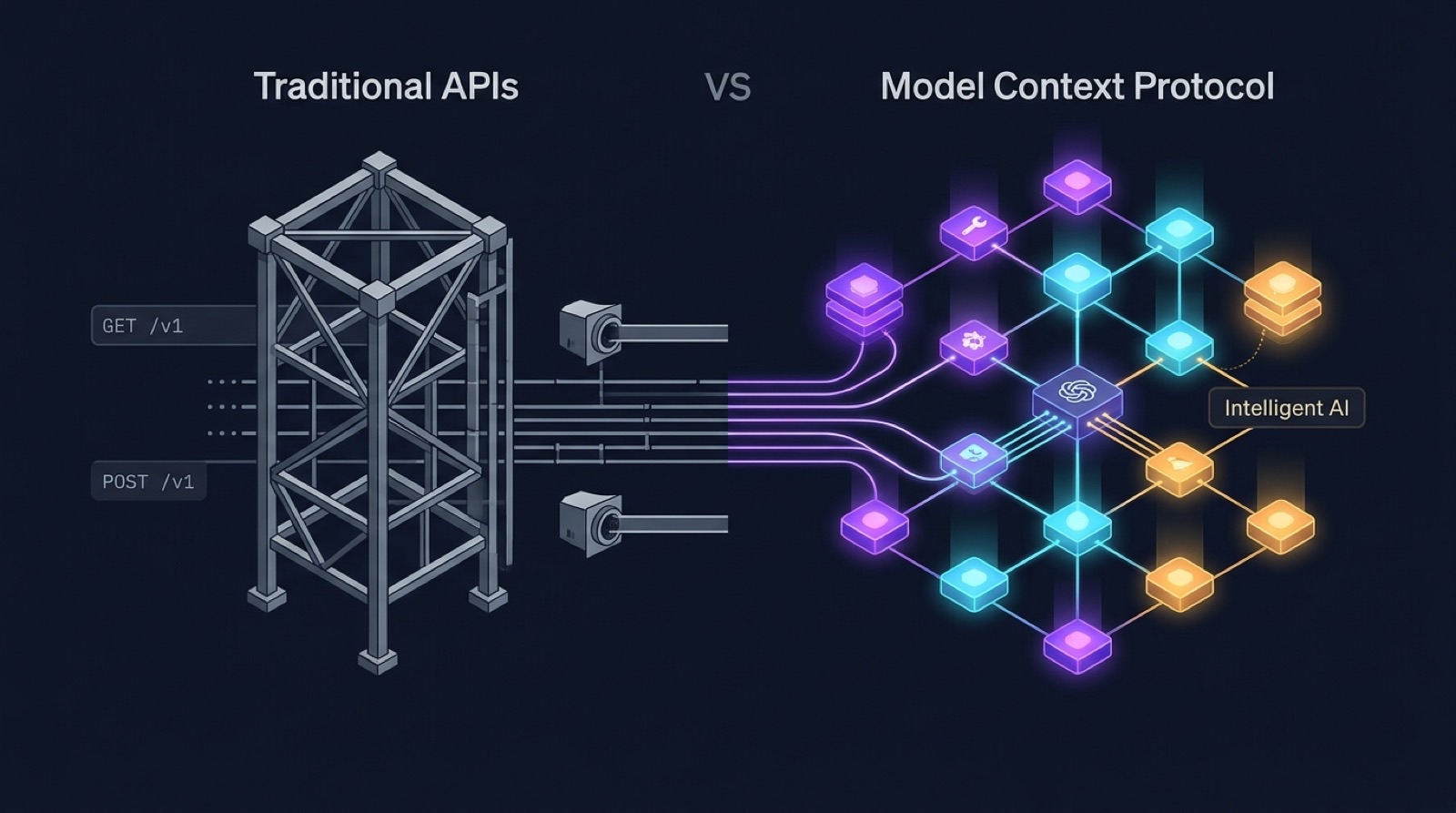
MCP vs Traditional APIs: Dynamic Self-Discovery and Capability Contracts for AI Agents
How Anthropic's Model Context Protocol compares to REST and gRPC, why AI clients require runtime self-describing schemas, and when each protocol fits.
Rate Limiting Strategies Explained: Token Bucket, Leaky Bucket and Sliding Windows
How rate limiters protect backend systems from cascading collapse, compare algorithms for burst tolerance and fairness, and handle distributed Redis state.
Modern REST API Design: Noun-Based Resources, Idempotency Keys, Cursor Pagination, and Security Hardening
An architectural guide to designing production REST APIs: idempotent mutations, cursor pagination, status code precision, and zero-trust security.

What Makes an API RESTful: The Six Constraints and Common Real-World Violations
Explore Roy Fielding's six architectural REST constraints, cache semantics, layered systems, and where real production APIs break the specification.
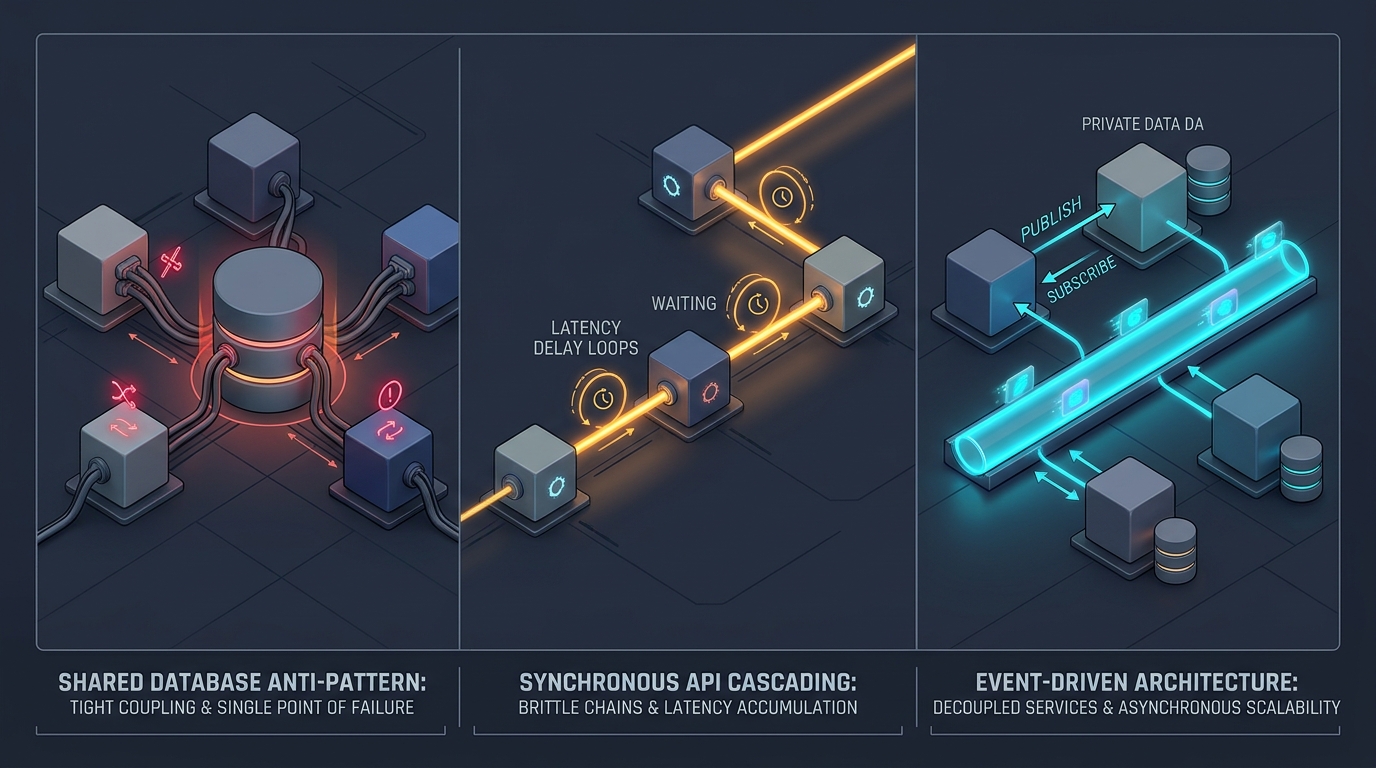
Sharing Data Between Microservices: Shared Databases vs Synchronous APIs vs Event-Driven Messaging
A pragmatic guide to sharing data across microservices: shared databases, synchronous APIs, event-carried state transfer, CDC, and the Outbox pattern.

API vs SDK: Choosing a Contract, a Client Library, or Both
A practical comparison of HTTP API contracts and language SDKs, including generated types, retry semantics, dependencies, and ownership.
Backends for Frontends, and What Comes After: Value-Added Services and Domain Gateways
BFFs fix client sprawl, then duplicate authorization logic across themselves. The three-layer fix: edge, value-added services, and per-domain gateways.
One Checkout for Many Products: Designing a Unified Payments Layer
Why every product building its own payments breaks at the first regulation, and the design: opaque payloads, stateless actions, and async confirmation.
The Strange HTTP Status Codes: 451, 418, 420, 218 and 530, and What They Teach
Five odd status codes, which are standard, which are jokes and which are vendor inventions, and why custom codes are a trap for client code.

A Timed-Out Payment Is the Hardest Request to Retry
HTTP cannot tell a client whether a timed-out POST took effect. Idempotency keys, durable results and bounded retry policies make recovery safer.
HTTP Status Codes You Misuse, and What to Return Instead
401 vs 403, 301 vs 308, 404 vs 410, 502 vs 503 vs 504. Picking the right status code tells clients and monitors what to do next.
A REST API Design Checklist You Can Defend in Code Review
Naming, cursor pagination, filtering, versioning, rate limits and standard error bodies, each with the reason behind it, not just the rule.
REST or GraphQL: A Decision Guide Based on What Actually Hurts
REST and GraphQL trade server simplicity for client flexibility. Caching, over-fetching, N+1 queries and abuse protection decide which one fits your product.

Google Cloud API Gateway Adds Streaming. The Timeout Becomes Part of Your API
Google Cloud's streaming preview routes SSE, WebSockets and gRPC through API Gateway, but backend deadlines and creation-time choices need planning.
Model Context Protocol: Hosts, Tools and Stateful or Stateless HTTP
MCP standardizes how AI apps discover and call external capabilities. Streamable HTTP can support sessions; interoperability does not replace authorization.
Questions we answer about API Design
- What is the N+1 query problem in GraphQL and how is it fixed?
- How does GraphQL Federation allow multiple backend teams to maintain one API?
- Why is caching harder in GraphQL than in traditional REST APIs?
- When should an engineering team prefer REST or gRPC over GraphQL?
- Why can't AI models just call traditional REST APIs directly?
- Does MCP replace REST, GraphQL, or gRPC?
- How does discovery differ between traditional APIs and MCP?
- What security advantages does MCP offer over passing raw API keys to models?
- What is the difference between Token Bucket and Leaky Bucket?
- Why is Fixed Window Counter vulnerable to traffic spikes?
Covered alongside
Frequently asked questions
What does Crashtech publish about API Design?
16 articles tagged API Design, the most recent published November 15, 2026. They span Development Best Practices (7), System Design & Architecture (6), How AI Actually Works (1), Backend Engineering (1), Api Architecture (1). Each carries numbered sources, an authored FAQ and full structured data.
What questions about API Design does Crashtech answer directly?
10 questions have a dedicated answer page under this tag, including “What is the N+1 query problem in GraphQL and how is it fixed?”. Each answer is authored prose from the article it belongs to, not a generated summary.
Can AI assistants read Crashtech's API Design coverage?
Yes. Crashtech serves full static HTML to every crawler, allows all major AI user agents in robots.txt, and publishes an llms.txt manifest plus a full-text corpus, so assistants can retrieve and cite these articles directly.