
Freedom to Use AI, Control Over Its Cost: Inside Flocci Account
How Flocci Account and shared payment capabilities connect personal credits, organization funding, allocations and accountable spending across products.
On this page
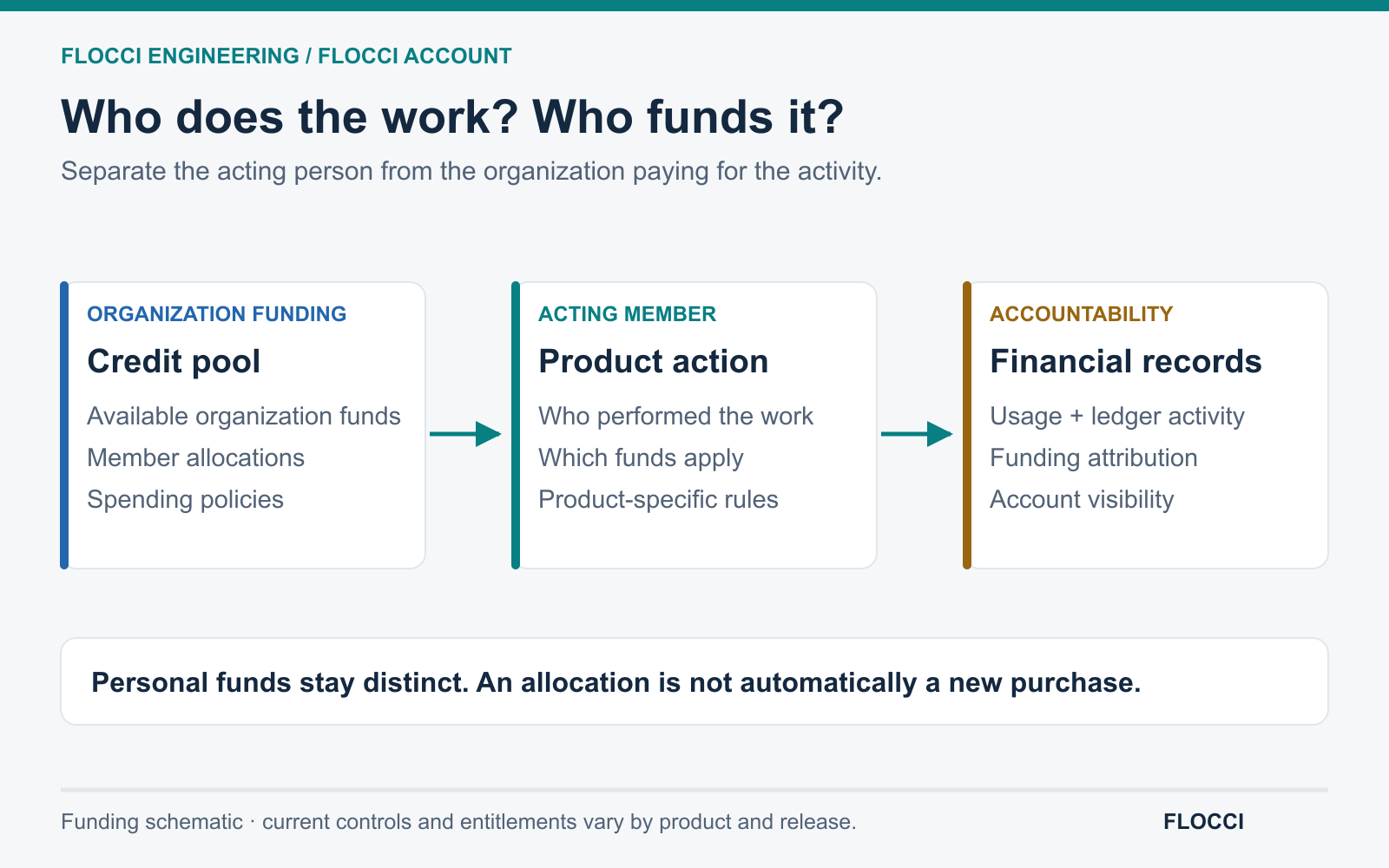
Funding schematic · current controls and entitlements vary by product and release. · Open the full-size diagram
The person doing the work is not always the person funding it
A colleague screens a candidate. Another analyzes survey responses. A third requests a meeting report. Each action belongs to a person and a product, but its funding may belong to a company.
Treating the acting user and the paying organization as the same thing makes spending difficult to understand. It can also create a frustrating experience: a teammate may appear unable to work because their personal balance is empty even when the organization has funded the activity.
Flocci’s shared payment architecture explicitly distinguishes those responsibilities.
A common account surface
Flocci Account brings account-linked balances, allowances, ledger records and payment history into a shared surface. Its backend reads those facts from the relevant platform services rather than maintaining a competing financial ledger.
That gives the user a place to understand the account across adopting products. The interface can show different kinds of credit rather than compressing every funding source into a misleading single number.
The distinction matters because platform credits, product-scoped credits, allowances and subscriptions have different rules. A connected account should explain those boundaries, not erase them.
Organizations need more than a shared balance
A company pool answers “how much is available?” It does not answer “who should be able to use it?”
The reviewed payment implementation includes member allocations, allocation requests and organization spending policies. It can record movement of funded capacity within an organization without treating each allocation as a new purchase.
Those mechanisms support an understandable relationship between autonomy and accountability. A team member can have a defined allocation. An administrator can inspect the pool and the relevant policies. The ledger can preserve the history of the movement.
This is a description of the implementation’s mechanisms, not a claim that every control appears in every product or plan.
A retry should remain the same financial operation
Business software runs on imperfect networks. A user can double-click. A completed request can lose its response. A client can ask again because it does not know whether the first attempt succeeded.
Flocci’s financial implementation uses operation identity to recognize supported repeated requests. The broader purpose is to distinguish another attempt to complete the same operation from a genuinely new operation.
That requires correct scoping and integration. Merely placing an identifier on a request is not a universal guarantee against duplicate charges. Each billable path needs to honor the operation contract.
Spending belongs beside the work
An AI feature’s value is easier to assess when the organization can connect its use with the product and action that caused it.
Shared payment capabilities and intelligence metering provide a basis for that connection. Graph can add activity context, while Account offers a destination for understanding the account. Those are complementary responsibilities, with financial records remaining authoritative for money.
The opportunity is a product ecosystem where useful intelligence comes with understandable economics. People can work, administrators can set boundaries, and both can inspect the account without reconstructing the story from separate product bills.
Visit Flocci Account and read how Flocci separates evidence from generated explanation.
Frequently asked questions
What does Flocci Account bring together?
Flocci Account provides a common surface for account-linked credit balances, allowances, ledger activity, payment history and organization administration. The reviewed platform distinguishes personal and organization funding. Product-specific credits, plans, entitlement rules and availability still apply; a shared account does not make every purchase interchangeable.
How can organizations control Flocci credit spending?
The reviewed shared payment implementation includes organization credit pools, member allocations, requests and spending policies. These mechanisms distinguish who performs work from who funds it. The controls exposed to a particular organization depend on its product context, permissions and release, so administrators should check the current Account interface.
Sources & further reading
Keep reading
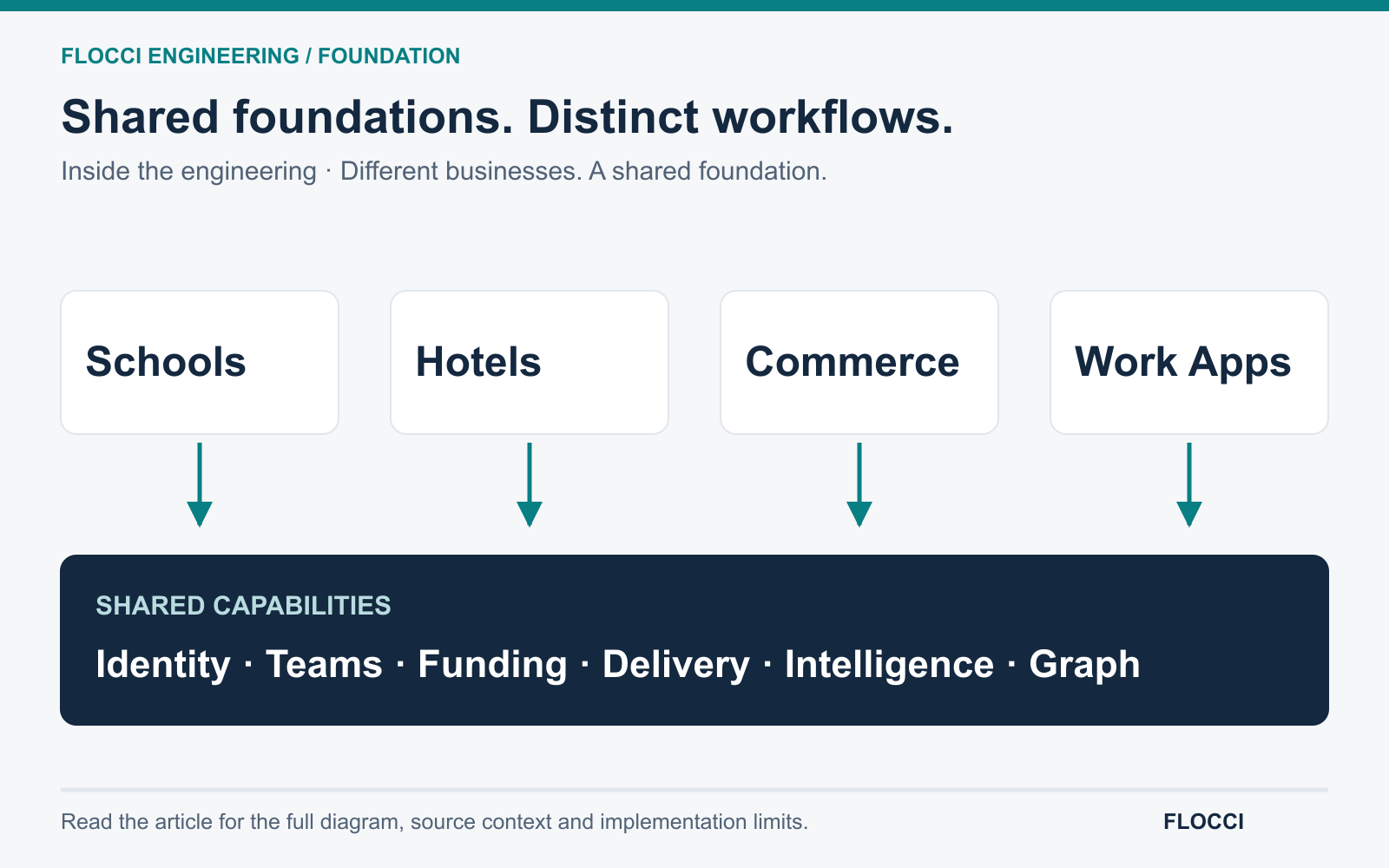
Inside Flocci: The Shared Foundation Beneath Very Different Businesses
How Flocci connects specialized business products through reusable identity, spending, delivery and intelligence while preserving distinct workflows.
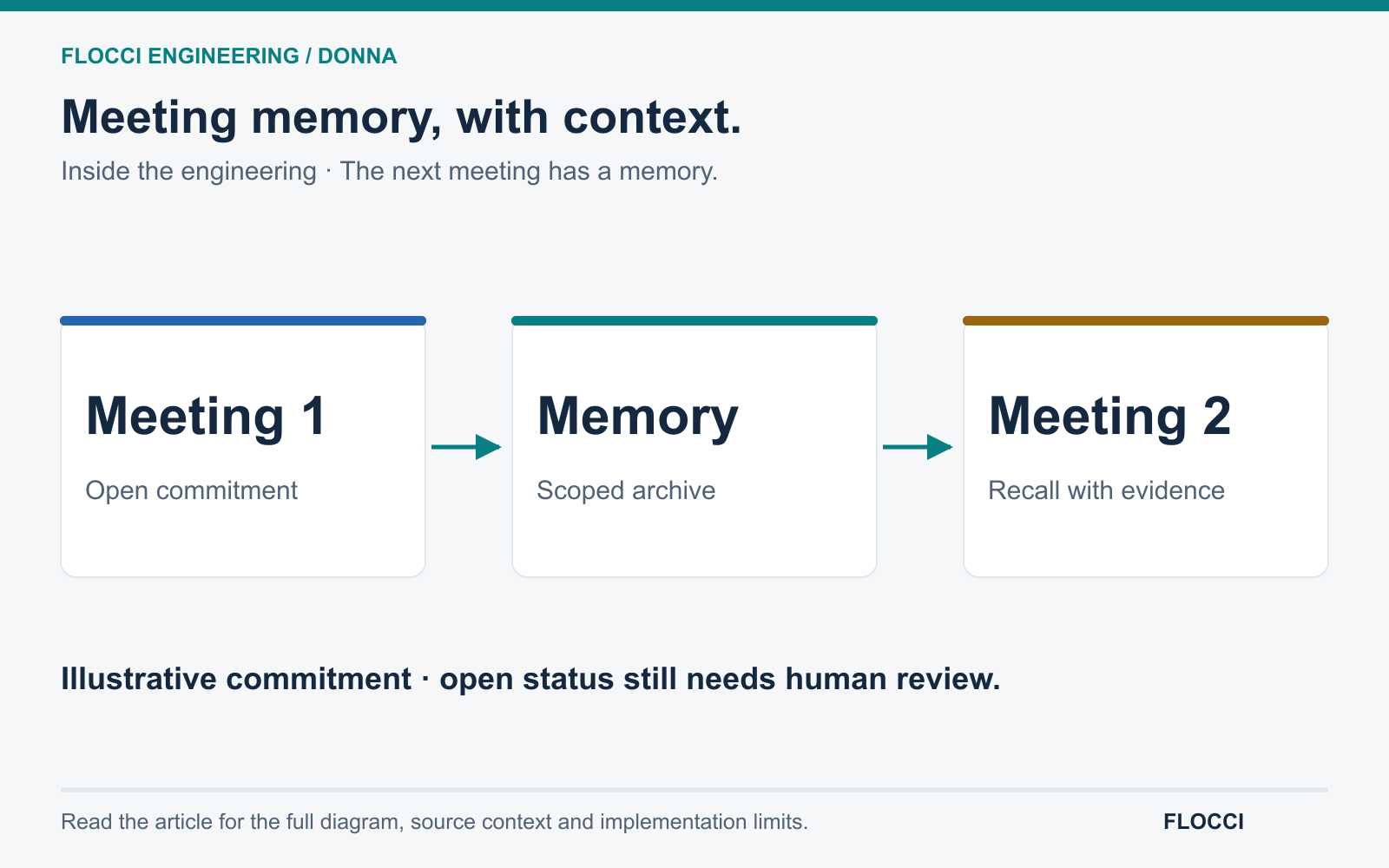
The Meeting Ends. The Commitments Stay: Inside Flocci Donna's Memory
Donna brings unresolved commitments and earlier questions into later meeting analysis, giving recurring conversations a memory with context and evidence.
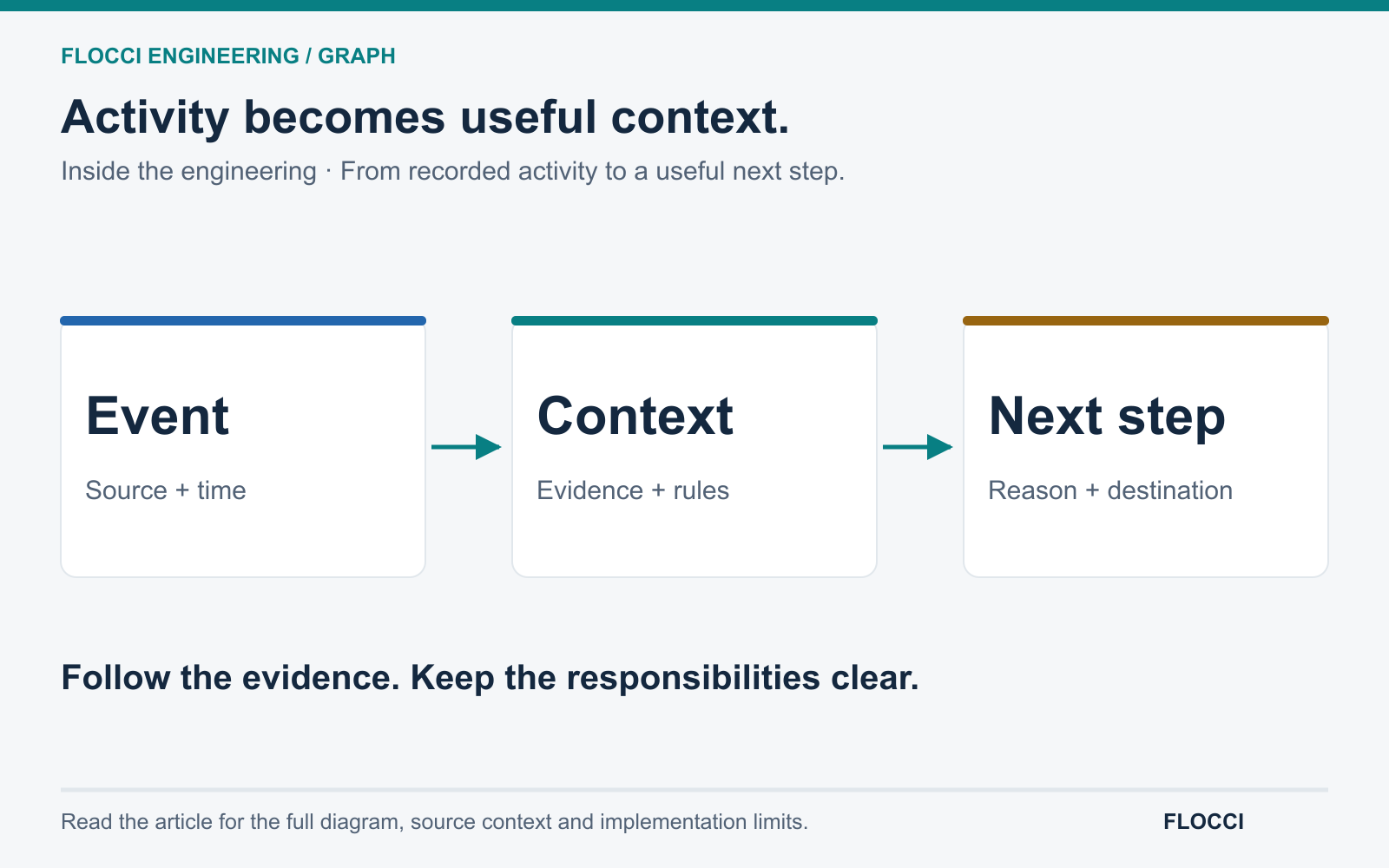
Flocci Graph: When Business Applications Begin to Remember Each Other
Inside Flocci Graph's approach to connected context: recorded activity, evidence-bearing suggestions and useful next steps across business applications.
/* Comments */
Comments are offline right now — we reconnect automatically, nothing is lost.