
GitHub Actions’ ARM32 Exit Has a Deadline: December 8
GitHub will end hosted ARM32 Linux and Windows job execution on December 8, 2026. Find affected workflows now and choose a deliberate replacement.
On this page
A pipeline can be “green” for years because a small architecture-specific job quietly keeps working. GitHub’s December 8 retirement date turns that hidden dependency into a short migration project for teams still building or testing ARM32 software on hosted Actions runners.
On November 12, GitHub announced that hosted runners will end ARM32 job execution on both Linux and Windows on December 8, 2026. The changelog says this includes native AArch32 user-space execution and links the change to the end of Node 20 support: Node 24 does not support ARM32. [[1] ]
The announcement is narrow. It does not say that all ARM architecture support is ending, nor does it describe a change to ARM64 workflows. GitHub’s runner documentation lists ARM64 options in the self-hosted runner context; teams must check the current hosted-runner matrix and plan availability for their account rather than assume every alternative is interchangeable. [[2] ]
Find the dependency before it fails
Search workflow YAML, reusable workflows, composite actions, container definitions and build scripts for terms such as arm32, armhf, armv7, aarch32, linux/arm/v7 and 32-bit Windows toolchains. Look beyond explicit runner labels. A nominally x64 job may use QEMU, a cross-compiler or a package that invokes native 32-bit code. Conversely, a project that only produces ARM32 binaries through cross-compilation may not require an ARM32 runner at all.
For each match, ask what the job proves. Does it compile a package? Run unit tests against 32-bit assumptions? Exercise a hardware-specific integration? Publish an artifact? The answer determines the replacement. Moving every job to a more expensive or harder-to-maintain machine without checking its purpose can preserve the label while losing the guarantee the test was meant to provide.
Choose the replacement by what the job needs
If the job only needs to produce an ARM32 binary, cross-compiling on a supported 64-bit runner may be enough. Then validate the output’s architecture and run representative tests in a compatible emulator or target environment. If the test depends on native execution behavior, emulation may be slower or incomplete; use hardware that matches the requirement or a maintained self-hosted runner with an explicit support owner.
Self-hosting transfers work to the team: patching the operating system, restricting network access, refreshing runner images, controlling secrets and cleaning machines between jobs. GitHub’s self-hosted runner documentation covers supported operating systems and architecture choices, but the team owns the machine lifecycle. [[2] ] For untrusted pull requests, do not expose long-lived credentials or sensitive internal networks to a runner that executes arbitrary contributed code.
Test the migration as a behavior change
Create a branch and run the changed workflow against representative inputs before removing the old job. Compare the produced artifacts, not only a successful exit code: inspect architecture metadata, link dependencies and package contents. If the workflow is a release gate, confirm that branch protections and required-check names still match. A renamed job can accidentally leave a pull request without its intended protection.
The Actions runner-images repository tracks image configuration and changes, but the retirement itself is documented in the changelog; do not expect image pinning to preserve a runtime that GitHub has retired. [[3] ]
A short plan for the next few weeks
Inventory workflows this week, identify jobs that execute rather than merely cross-compile ARM32 binaries, and assign an owner to each. Select a replacement and run it in parallel with the existing check. Document any gap in hardware coverage. Then update the workflow and remove the old path before December 8, leaving time to fix an issue discovered by a real release branch.
The small but important detail is the boundary: this is a hosted ARM32 execution retirement. Teams that distinguish target architecture from runner architecture can often keep producing ARM32 software without running the entire CI job on an ARM32 host. Teams whose tests truly depend on native 32-bit behavior should treat the date as an infrastructure change and validate their replacement deliberately.
For broader context on maintaining reliable infrastructure, see our explainer on Git storage architecture and the operational tradeoffs of serving compiled models.

Frequently asked questions
When does GitHub Actions hosted ARM32 support end?
GitHub announced that hosted Windows and Linux ARM32 job execution ends on December 8, 2026. The change includes native AArch32 user-space execution.
Does this remove ARM64 runners?
No. The announcement is specifically about ARM32. GitHub’s separate documentation lists ARM64 Linux, macOS and Windows self-hosted runner options, and hosted ARM64 availability is a separate matter.
What should maintainers do before the deadline?
Search workflow files, action metadata and build scripts for ARM32 or AArch32 references, identify whether hosted jobs run native 32-bit binaries, and move those workloads to a supported architecture or tested self-hosted runner.
Sources & further reading
Keep reading
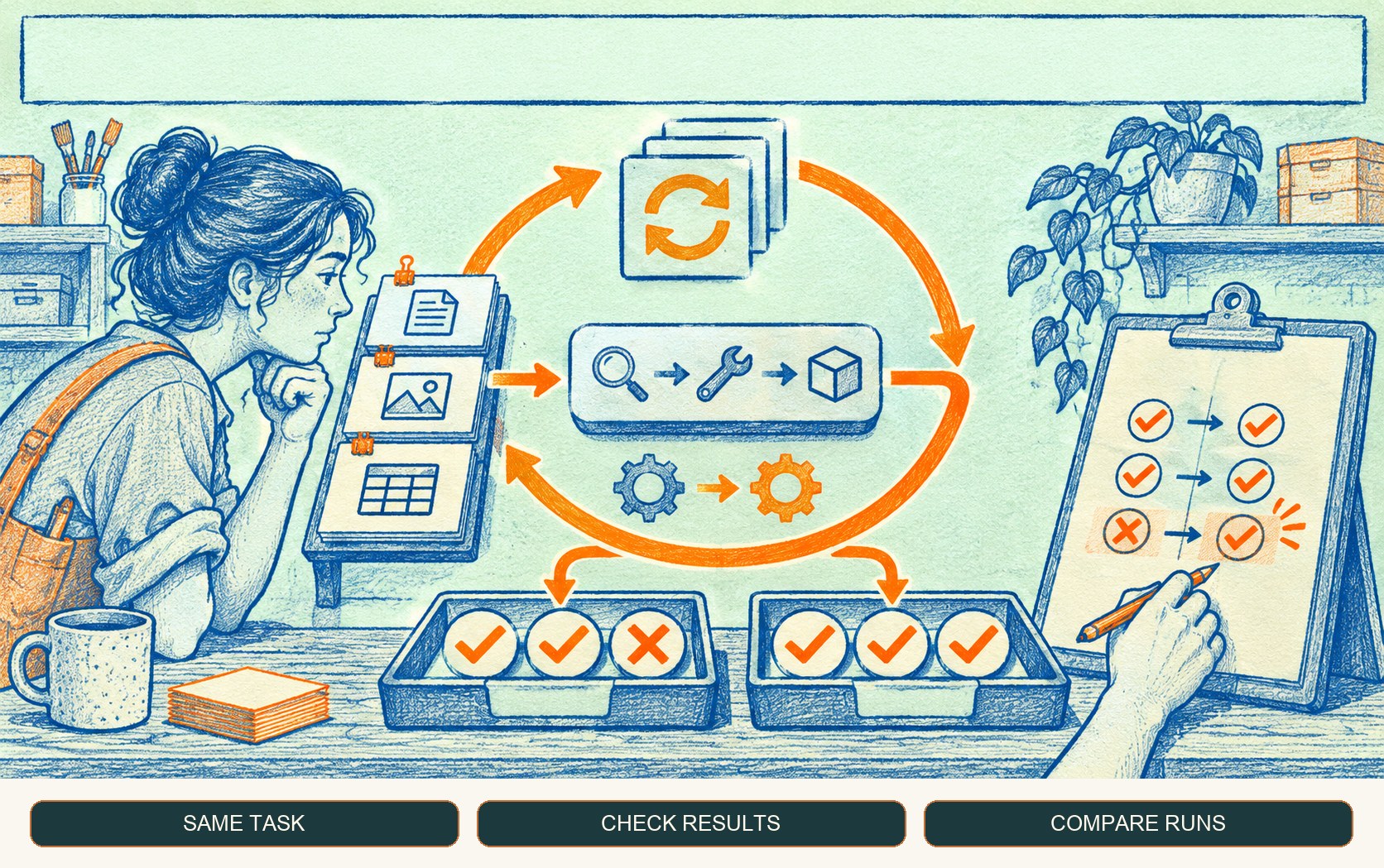
GitHub Copilot Evals Turns Agent Changes Into Repeatable Checks
GitHub's Copilot Evals preview replays realistic tasks against skills, agents and MCP tools. Treat it as a regression aid, not a universal quality score.
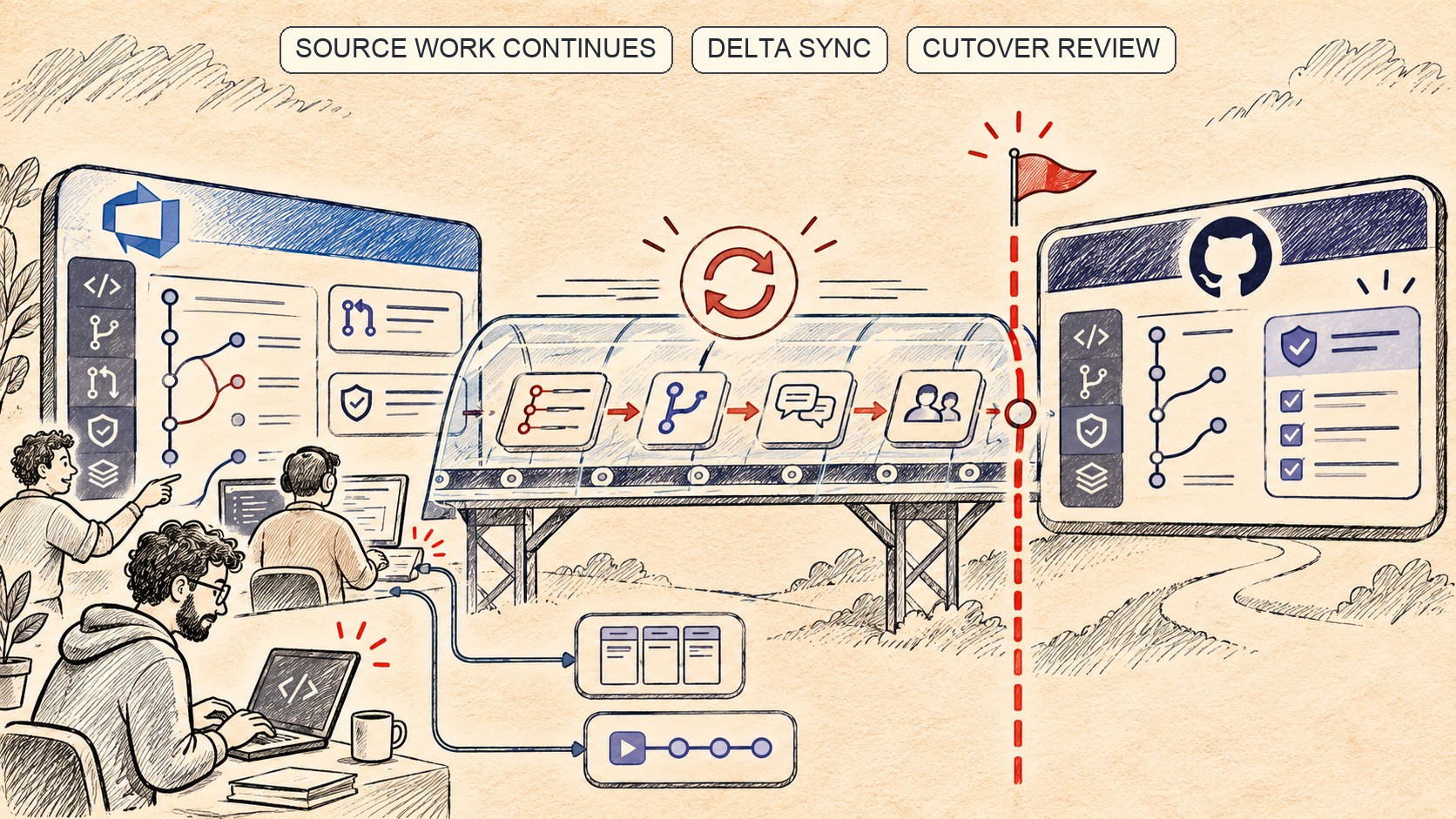
GitHub’s Live Azure DevOps Migration Keeps Syncing Until Cutover
Enterprise Live Migrations move Azure DevOps repositories to GitHub while teams keep working. The important boundary is what does not migrate.
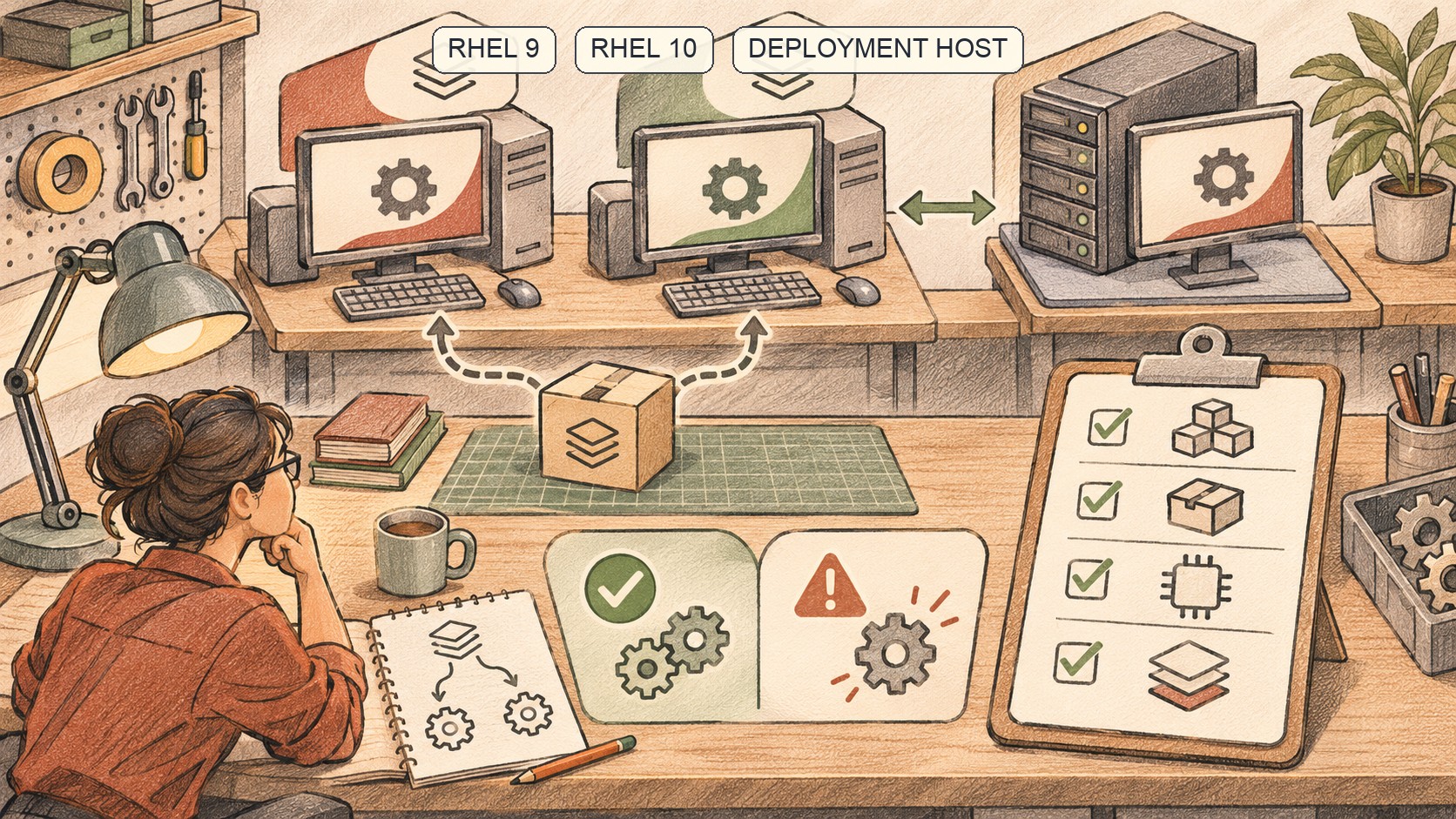
GitHub Actions’ RHEL Images Bring the Build OS Closer to Production
RHEL 9 and 10 are now GA on GitHub-hosted larger runners. OS fidelity helps, but image, access and runner-group choices still matter.
/* Comments */
Comments are offline right now — we reconnect automatically, nothing is lost.