
MCP Tasks Let Agent Jobs Pause, Resume, and Ask for Input
Anthropic’s MCP update makes long-running jobs and user prompts practical, while client support and action permissions remain explicit responsibilities.
On this page
A deployment agent can spend minutes waiting for a build, then need an engineer to approve a cost-bearing change. A single tool call that must remain connected for the whole interval is fragile. MCP Tasks give that operation a durable handle; Elicitation gives the server a protocol path to request input while it is running. The result is a more realistic job lifecycle, provided the client and server both support it. [1] [2]

A handle replaces a connection that must stay open
In a synchronous request, the client waits for the server to finish and return a result. That works for short operations, but a long-running job can outlast a network timeout, a terminal session or the user’s attention. The MCP Tasks extension lets a server create a durable task before responding. The client receives a task ID and can poll for status, retrieve the result later, or continue after reconnecting. [2] [4]
The protocol separates the job’s lifecycle from the transport connection. A task can move through states such as working, input required, completed, failed or cancelled. The extension requires clients and servers to advertise support; the client must be prepared to receive either a normal result or a task handle for a supported request. A server should not assume that every tool call can be made asynchronous. [2]
That flexibility has an operational cost. The server needs durable task state, expiry and cleanup rules, idempotent job creation, progress reporting, and a way to recover results if a worker crashes. A task ID is a pointer, not the work itself. Store it securely, bind it to the right user and tenant, and avoid exposing one user’s task results to another.
Input-required is a real state, not an extra chat turn
Elicitation gives an MCP server a standard way to ask the user for information through the client. Form mode can request structured values with a restricted schema. URL mode is intended for sensitive interactions that should happen outside the MCP client. The protocol requires the client to identify which server is asking, let the user decline, and show the destination before opening an external URL. It prohibits form mode for secrets such as passwords, API keys and payment credentials. [3]
Tasks and Elicitation fit together when a job reaches a decision point. The task can move to input_required, surface the request to the client, then continue after the user responds. Anthropic gives examples such as confirming a paid project or a potentially destructive database action. Its product announcement says Tasks and Elicitation are generally available for some plans, with rollout to Team and Enterprise organizations; those product availability statements do not mean every MCP host supports the extensions. [1] [2]
A user response is not a general authorization token. The server should still check the user’s current permissions at execution time, confirm the exact resource and action, and make the consequences clear. If an approval sits in a queue for an hour, the resource may have changed; the server may need to revalidate or request confirmation again. For an irreversible action, record who approved what, when, and under which authority.
Cancellation and retries need honest semantics
The Tasks guide says cancellation is cooperative: a server acknowledges the request and should honor it when possible, but the work is not guaranteed to stop immediately. A model or client may show “cancelled” intent while a remote operation is already committed. For database writes, deployments or billing actions, define what cancellation means at every stage. If the action can no longer be rolled back, expose that status instead of suggesting nothing happened. [2]
Retries need similar care. A reconnecting client may poll again or repeat the original request after losing the first response. Use an idempotency key or task creation record so a timeout does not start a second deployment. Make the operation’s side effects explicit, and return enough state for a client to distinguish “still working” from “finished but response lost.” This is the same discipline used in durable workflow engines, adapted to a protocol that connects models, tools and user interaction.
What developers should check before adopting it
First, inspect the current MCP client support matrix. Tasks are an extension, and support varies; both peers need to opt in for the relevant request types. Test a client disconnect, a task that fails, a user who declines a form, a stalled worker, and a cancellation arriving after an external action has committed. [2]
Second, choose the user interaction deliberately. Keep normal short tools synchronous. Use a task when the work is long enough to benefit from durable status or reconnects. Keep the elicitation request narrow and explain why it is needed. Use URL mode for secrets and sensitive flows. The client should name the server and let the user review or decline the request. [3]
Third, set lifecycle policies. Define task ownership, retention, expiry, result access, polling cadence, retries, cancellation and audit logging. A durable handle without authorization checks becomes a durable data exposure risk. A user prompt without a clear target can become a consent-shaped click rather than informed approval.
A more complete agent contract
The update matters because it gives agent servers a way to represent work after the first response. An assistant can start a build or analysis, check progress later, ask a person to resolve a boundary, then retrieve a typed result. That is a much better fit for real software operations than pretending every tool completes instantly.
The key is to keep the protocol’s responsibilities in view. Tasks make state visible; Elicitation makes interaction possible. Neither guarantees that work is correct, safe, authorized or reversible. Those guarantees depend on server implementation, host UI, identity and the safeguards around the action. Teams already building MCP tools and integrations should treat long-running jobs as a new lifecycle to design and test, not merely a new method name. [1] [2]
Frequently asked questions
What do MCP Tasks add?
MCP Tasks let a server return a durable task handle for supported long-running requests. A client can poll for status, resume after a disconnect, present required input, and retrieve a final result instead of holding one connection open until the work finishes.
Does Elicitation authorize a destructive action?
No. Elicitation is a protocol for requesting user input through a client. The server still needs to enforce authorization, validate the target and scope, make the action safe to retry, and honor cancellation or refusal according to its contract.
Can every MCP client use Tasks today?
No. Tasks are an MCP extension and support varies by client and server. Both sides must advertise and implement the needed capabilities, so developers should check the current support matrix and retain a synchronous or otherwise compatible path where necessary.
Sources & further reading
Keep reading

AMD’s Ray 2.59 Beta Brings vLLM 0.29 to Instinct GPUs
ROCm 10.1 and Ray’s AMD beta preserve familiar distributed APIs, but the supported stack is tightly versioned and still needs workload testing.
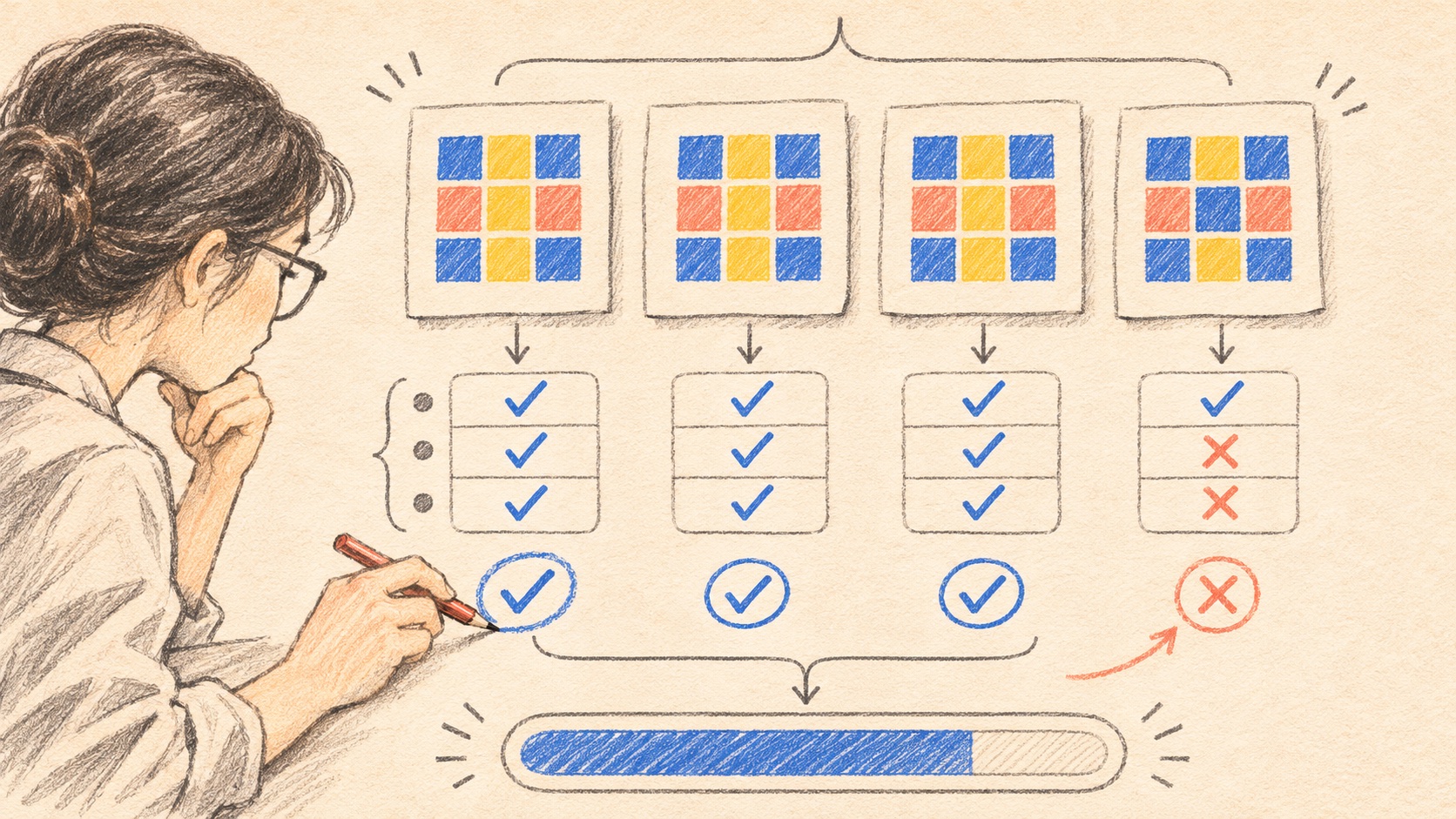
A Model Can Pass the Test and Still Fail the Task
Google DeepMind’s Humanity’s First Exam tests repeatability on ordinary tasks, revealing why one-shot benchmark scores can hide operational inconsistency.

OpenAI’s Healthcare API Adds Clinical Search; PHI Still Needs Separate Approval
Healthcare configurations pair Responses API models with a medical search index, but developers must verify BAA coverage, retention and clinical oversight.
/* Comments */
Comments are offline right now — we reconnect automatically, nothing is lost.