
OpenAI’s Healthcare API Adds a Clinical Search Path, Not PHI Permission
OpenAI’s healthcare API adds a clinical search path. Developers still need source review and a separate BAA before handling PHI.
On this page

A clinical answer can sound polished and still be unsafe to operationalize if its evidence is hard to inspect. OpenAI’s newly documented healthcare model configurations try to make the evidence path more explicit: use a supported healthcare model in the Responses API, enable web search, and the model can query a dedicated healthcare index and return citations.
[1] That is a useful developer capability, but it is narrower than “healthcare AI is compliant.” OpenAI explicitly says the configuration does not itself authorize processing protected health information (PHI). A Business Associate Agreement (BAA), eligible products, and required account and tool settings remain separate gates.
What the configuration changes
OpenAI describes the configurations as combining healthcare-specific instructions with trusted clinical search for research and evidence synthesis. The API organization can request an available healthcare model ID, such as gpt-6.2-astra-healthcare; access to the configuration does not require a ChatGPT for Healthcare or Enterprise workspace. To access the dedicated healthcare index, web search must be enabled.
This affects retrieval and task framing, not the basic responsibility to evaluate an answer. OpenAI says users should review both generated responses and cited sources and that the system does not replace professional medical judgment. A citation is a trail to inspect, not proof that a source supports every sentence or applies to a particular patient.
Keep the evidence path separate from the data-permission path
A useful system diagram has two independent questions. First: can this request retrieve and summarize appropriate medical evidence? Second: is the application permitted and configured to send the data it contains?
The healthcare model configuration addresses the first question. It does not answer the second. OpenAI’s documentation says PHI use requires an applicable BAA and compliance with account and tool requirements. Teams should verify the scope of the agreement and product eligibility before using identifiable data; a model name containing “healthcare” is not a compliance control.
For an initial implementation, use synthetic or otherwise approved non-PHI inputs. Exercise retrieval with representative questions, inspect citations, test refusal and uncertainty behavior, and log which evidence was available. Keep data minimization, access control, retention, and audit design in the application architecture. Only introduce PHI after the organization has independently confirmed contractual coverage and configuration requirements.
What to validate before a pilot
The API documentation points developers to the Responses API web-search tool, while the configuration page points to current pricing. Model IDs and prices can change, so check the live API docs when estimating a workload. Also test how search results behave for the clinical questions your application will actually ask; a dedicated index is not a promise of exhaustive coverage or a particular clinical outcome.
A sensible pilot measures retrieval quality and citation usefulness separately from answer fluency. Ask clinicians to check whether the cited material is current, relevant, and accurately summarized. Record missing evidence as a product limitation instead of asking the model to fill gaps with confidence.
The announcement is meaningful because it gives API builders a defined evidence-retrieval route outside a managed ChatGPT healthcare workspace. Its boundary is equally important: retrieval support, clinical review, and legal authorization are different layers. Build each one deliberately.
Related reading
For a broader discussion of where sensitive data should live, see our guide to enterprise AI data custody.
Frequently asked questions
Does choosing an OpenAI healthcare model configuration authorize PHI processing?
No. OpenAI says the configuration alone does not authorize protected health information processing. An organization needs an applicable Business Associate Agreement and must meet account and tool configuration requirements.
What is required to search the healthcare index?
The configuration is used with a supported healthcare model ID in a Responses API request, and web search must be enabled to use the dedicated healthcare index.
Sources & further reading
Keep reading

AI Protein Design Still Has to Pass Through the Lab
OpenAI reports lab evidence for GPT-6.2 protein designs, with specialist models still filtering candidates. Here is what the experiment shows—and leaves open.
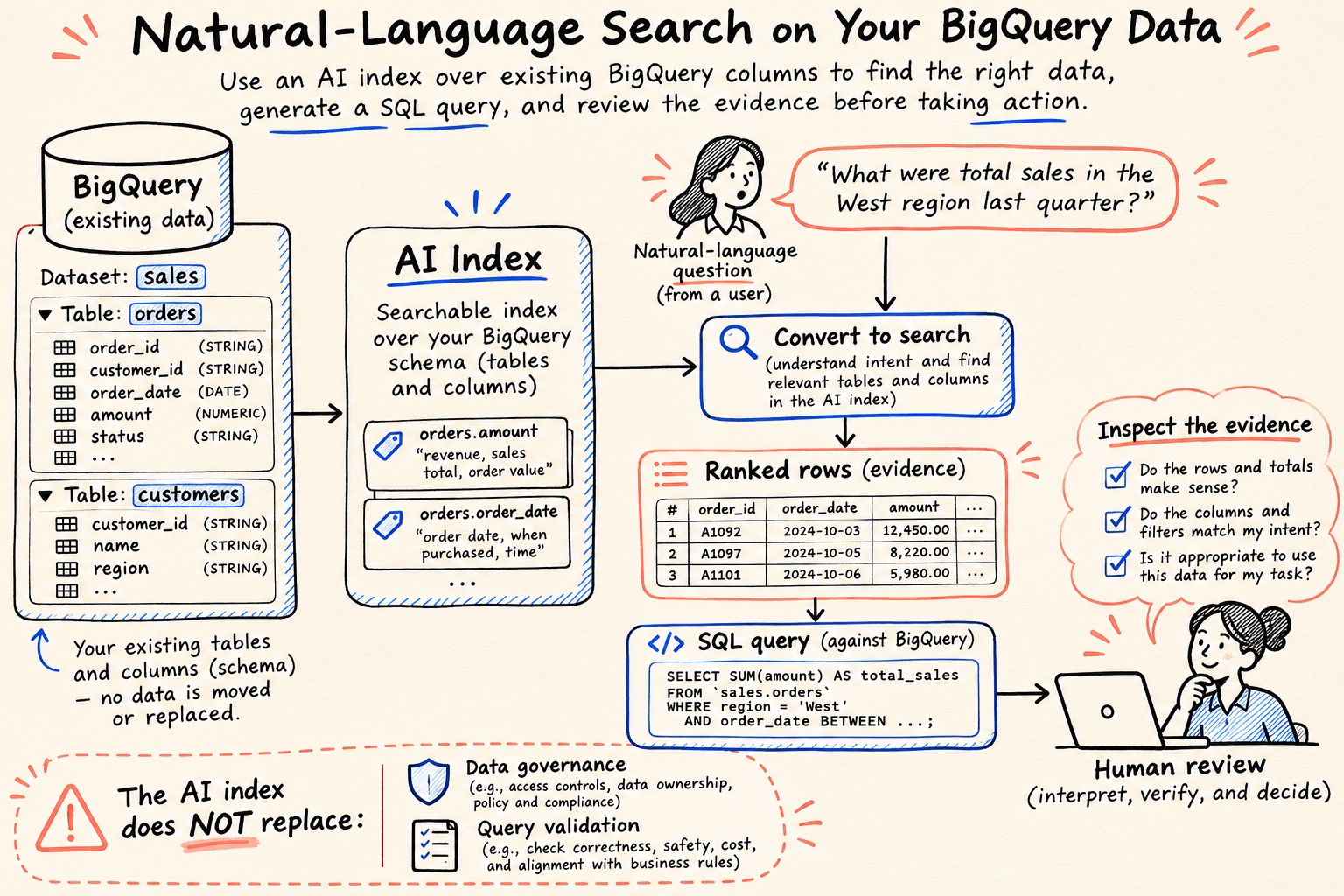
BigQuery AI Index Makes Natural-Language Search a Managed Service
Google’s preview AI indexes simplify semantic table search, but column limits, incomplete coverage and background processing costs still shape production use.
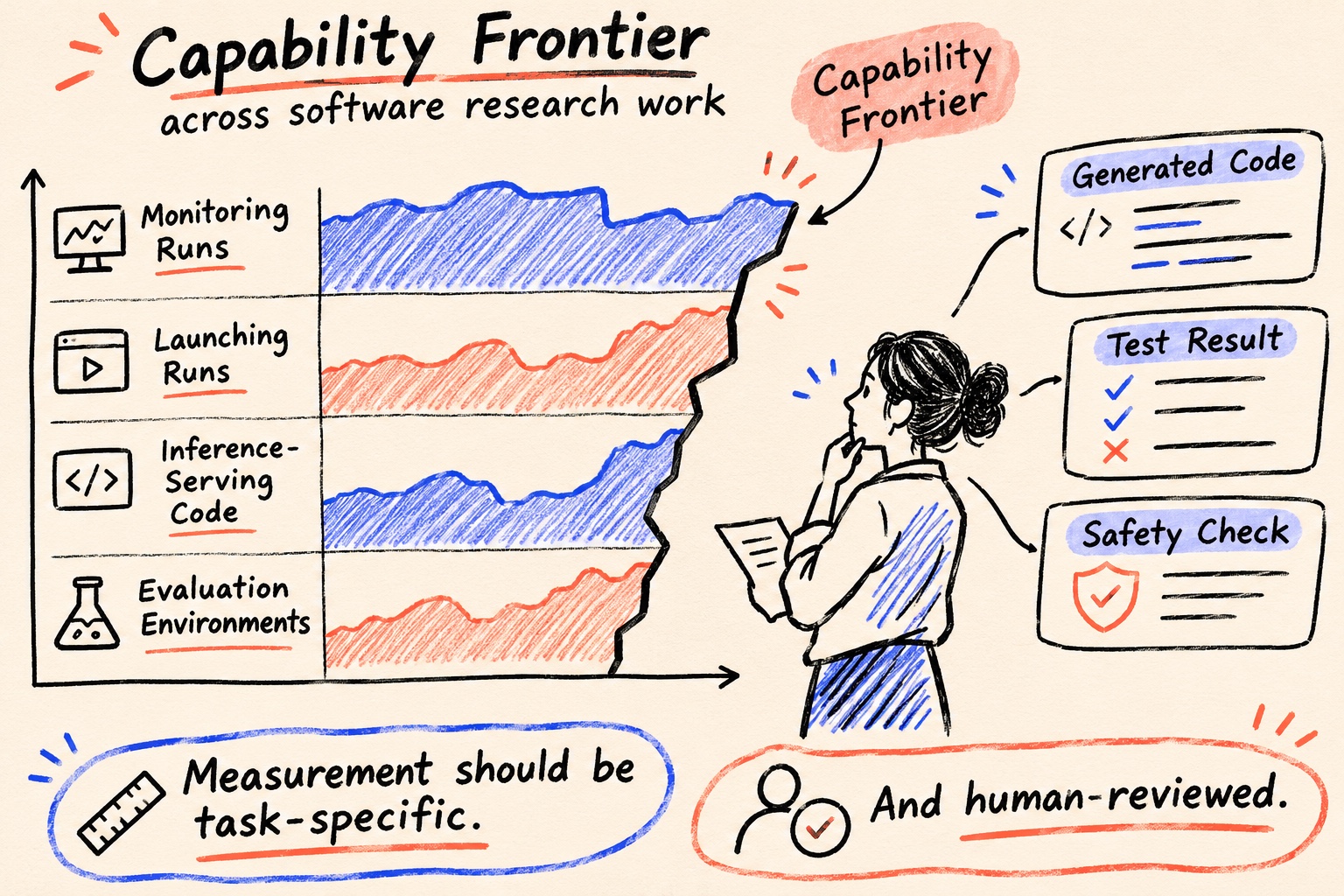
Coding Agents Accelerate Research Unevenly: The Task Mix Is the Metric
OpenAI reports that agent success varies by research task. Learn how to evaluate task outcomes and human review rather than usage alone.
/* Comments */
Comments are offline right now — we reconnect automatically, nothing is lost.