
How Perplexity Built AI Search on Vespa: Retrieval, Filtering and Ranking
A Vespa case study shows how hybrid retrieval and ranking supported Perplexity’s earlier search architecture, while its web index later moved in-house.
On this page

An AI search answer depends on more than a language model. The system first has to find useful documents, filter them to the query and select the passages that give the model enough evidence to answer. A Vespa case study describes how its distributed search platform supported Perplexity’s earlier AI-search architecture. It is a vendor-authored account, so its claims should be treated as such. [1]
The most important qualification is temporal: Vespa says Perplexity later moved its web index to a purpose-built internal search system. Vespa remained in use for other workloads, according to the case study. That means this is a useful look at a search architecture and a platform relationship, not evidence that Vespa currently powers Perplexity’s public web index. [1]
Combine different retrieval signals
The case study describes combining lexical search, semantic retrieval and structured filtering. These answer different questions. Lexical matching helps locate exact terms; semantic retrieval can find conceptually related material; structured filters narrow candidates by known fields. A ranking stage can then score retrieved documents or passages for their usefulness to the request. [1]
Keeping retrieval and ranking close to the data platform can reduce the number of separate systems an application must coordinate. Vespa describes supporting continuous indexing and machine-learning inference alongside search, filtering and passage ranking. The engineering tradeoff is that a unified platform also becomes a critical dependency: schema changes, freshness and ranking behavior all need operational ownership. [1]
Retrieval is not the same as answer grounding
Finding relevant passages does not guarantee a correct generated answer. The application still needs to preserve which sources were retrieved, pass enough context to the model, and connect claims in the response to evidence users can inspect. Search quality and synthesis quality are separate failure modes. A relevant page can be ranked correctly and still be misunderstood by the language model.
The public case study does not document every component of Perplexity’s complete product, nor does it establish present-day latency or query-volume guarantees. It should not be stretched into claims about exact model routing, universal citation correctness or current index ownership.
What builders can take from the case
The enduring design question is how to build a retrieval path where lexical matching, semantic similarity and structured constraints cooperate instead of competing. Measure the quality of candidate retrieval separately from passage ranking and answer correctness. Keep index freshness visible, preserve source provenance, and be explicit about what changed when an architecture evolves.
Perplexity’s reported move to an internal web index is itself a useful reminder: a platform that fits an early scale or product stage may not remain the right owner of every workload. Treat vendor case studies as dated architecture evidence, and verify current ownership before describing a system as live today. [2]
Why hybrid search fits answer retrieval
A conversational query can contain exact names, broad concepts and constraints at the same time. A lexical retriever is good at matching identifiers and terms; semantic retrieval can surface passages that express the same idea differently; structured filters can restrict results to a type, source or other known attribute. Vespa’s case study describes combining these kinds of retrieval with filtering and ranking in one distributed platform. [1]
The sequence matters. Broad candidate retrieval trades precision for recall: it tries not to miss useful material. Ranking then spends more computation on a smaller set. Passage-level scoring can help identify the part of a document most relevant to the question, rather than treating every page as one undifferentiated result. The case study describes these capabilities as part of the system used in Perplexity’s earlier architecture; the public source does not disclose every query stage or model setting. [1]
Freshness and ranking are coupled
An answer engine needs evidence that reflects current information. Continuous indexing can reduce the gap between a source changing and a query seeing that change, but freshness is not automatic: ingestion delay, parsing failures, deduplication and deletion handling all affect what users retrieve. Vespa describes real-time or continuous indexing capabilities in the context of its platform. That is a product capability, not proof of a specific freshness guarantee for every Perplexity query. [1]
Ranking also needs evaluation beyond a few handpicked examples. Teams can measure whether relevant passages enter the candidate set, whether the ranker promotes them, and whether the final answer uses them correctly. Those stages have different failure causes. A generator cannot cite evidence that retrieval never surfaced, while good retrieval cannot prevent a model from overclaiming beyond its sources.
Treat case studies as dated architecture evidence
Vespa’s account says Perplexity later moved its web index to an internal, purpose-built search system while continuing to use Vespa for other use cases. That evolution is crucial to an accurate description. It suggests that the relationship changed as requirements and platform ownership changed; it does not establish that the earlier hybrid-search ideas were discarded, nor that Vespa continues to serve the public index. [1] [2]
This distinction is useful for engineering readers evaluating vendor case studies. Ask when the described architecture was deployed, which workload it covered, what remains in use and which statements come from the vendor. Search systems change quickly, and a once-current diagram can become misleading if it is presented as the live architecture years later.
A practical evaluation checklist
For a team building retrieval for generated answers, separate at least four questions: did the index contain the right source; did lexical, semantic and structured retrieval find it; did ranking choose the right passage; and did the model answer within what that passage supports? Keep source identifiers and timestamps available through the answer path so a reader or reviewer can trace important claims.
The Perplexity–Vespa history offers a concrete example of using a distributed search platform to combine retrieval and ranking, followed by a change in index ownership. Its durable value is architectural: retrieval, freshness and ranking need to be treated as first-class product systems, while public claims about current ownership must be checked against current evidence.
Frequently asked questions
Did Perplexity use Vespa for AI search?
Vespa’s case study describes Perplexity using its distributed platform for retrieval and ranking in an earlier search architecture. This is a vendor-authored account, so its performance and product claims should be attributed to Vespa.
Does Vespa still power Perplexity’s public web index?
The Vespa case study says Perplexity later moved its web index to a purpose-built internal search system. The article therefore treats Vespa as part of a historical architecture and does not claim it currently powers that index.
What did Vespa provide in the described system?
The case study describes combining lexical, semantic and structured retrieval with filtering, passage ranking, continuous indexing and machine-learning inference in a distributed platform.
Sources & further reading
Keep reading
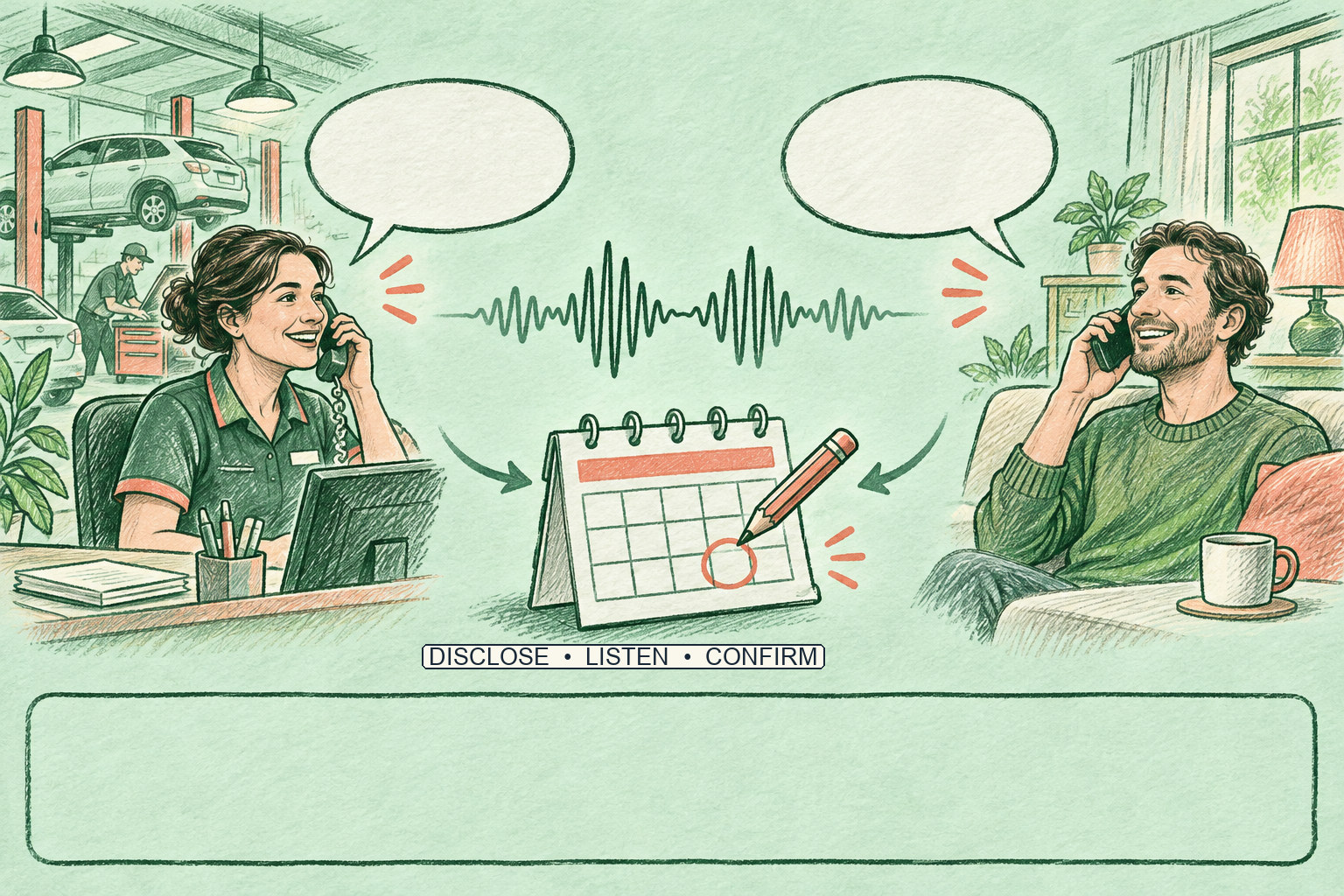
Google Duplex Moves Into Gemini Tasks, Where Phone Calls Become an Agent Boundary
Google describes Duplex's shift from scripted calls to Gemini Tasks. Here is how live turn-taking works and what businesses can control.
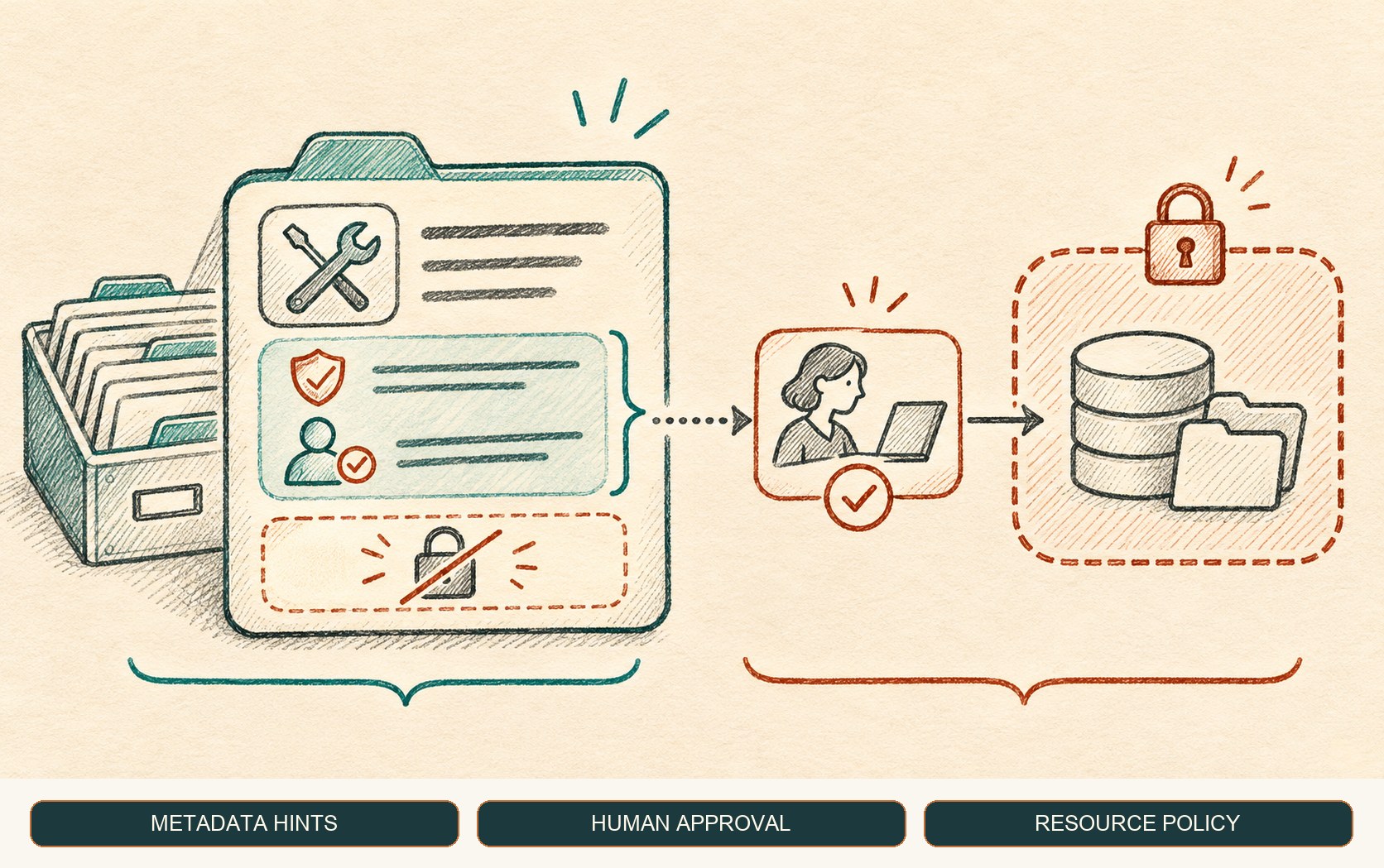
Google Agent Registry Adds MCP Policy Hints, Not an Access Boundary
Google Cloud's Agent Registry adds preview IAP and human-review metadata for MCP tools. Learn what these hints clarify and what still must enforce access.
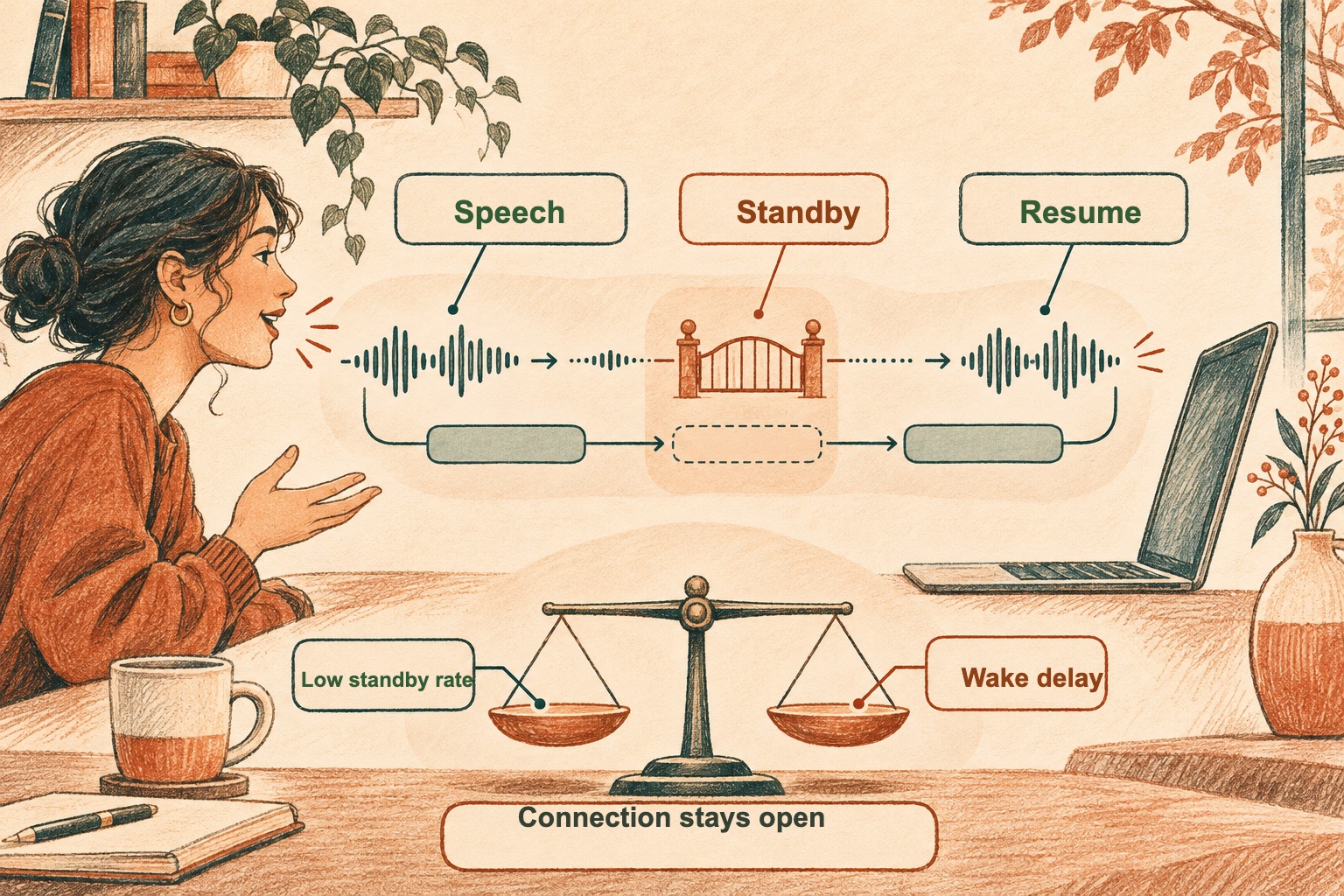
GPT-Live Standby Pauses Inference Without Closing a WebRTC Session
OpenAI’s standby mode pauses inference in silence and resumes on speech, trading lower idle rates for wake-up delay and an open microphone.
/* Comments */
Comments are offline right now — we reconnect automatically, nothing is lost.