
Google Agent Registry Adds MCP Policy Hints, Not an Access Boundary
Google Cloud's Agent Registry adds preview IAP and human-review metadata for MCP tools. Learn what these hints clarify and what still must enforce access.
On this page
A directory entry can explain how a tool is meant to be used. It cannot make the tool safe on its own. Google’s latest Agent Registry release adds protocol-level metadata for Model Context Protocol tools, including hints about Identity-Aware Proxy policies and human review. The distinction matters to teams building catalogs for agents: descriptive policy context helps a client choose and explain a tool, while authorization still has to happen where the request is executed.
What Google added
Google’s November 19 release note says Agent Registry supports MCP tool protocol-level metadata, including IAP policy hints for tool enablement and human-in-the-loop controls, along with provider metadata attributes. The entry is explicitly marked Preview. The announcement points readers to the MCP server specification and resource-attribute documentation for the exact shape and semantics. Google Cloud’s release note
This is an incremental change to how tool information can be represented and consumed. Google’s specification shows com.googleapis.iap/PolicyHints in the MCP tool metadata. It says IAP and Agent Gateway evaluate those hints to enforce tool authorization and human-in-the-loop controls. The registry supplies the structured metadata; enforcement depends on a compatible gateway and correctly configured identity and policy path. A client that simply displays the metadata does not create that boundary.
That boundary resembles the broader difference between a catalog and an execution gateway. Our guide to MCP, RAG and agents explains how discovery and delegation fit into a larger system; the registry metadata adds context to one part of that path.
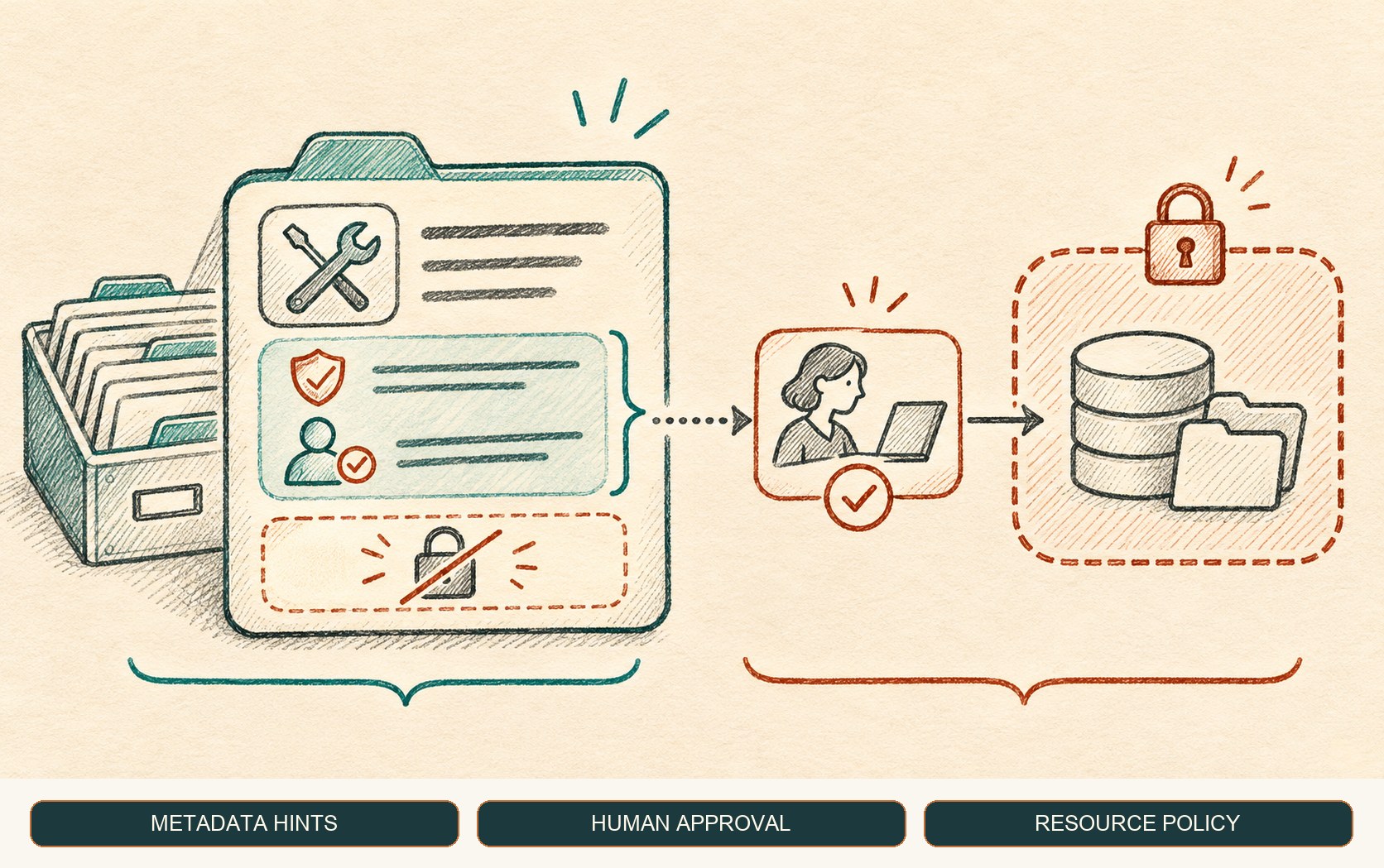
Why the hint-versus-enforcement distinction matters
Suppose an agent discovers a tool that can read customer records. The policy metadata can instruct a supported IAP or Agent Gateway path to disable a tool or require interactive approval. That is stronger than a decorative label, but only when requests actually pass through that enforcement path. If a tool endpoint is directly reachable without the gateway or its own identity checks, the registered metadata alone cannot stop an unauthorized call. Google’s MCP JSON schema describes the supported fields and enforcement role.
The same applies to human review. The hitlMode value can express whether interactive approval is disabled, always required, or required for unsafe operations. It is the gateway’s enforcement behavior that must pause execution. Teams should test that a user sees the proposed action, that approval is bound to the actor and arguments, and that execution cannot proceed without the required decision.
This is consistent with Google’s separate Agent Registry work on skill security and governance: registry functions help teams discover, version and govern assets, but production control still depends on the enforcement path and its identity model. The registry’s own resource attributes documentation is the right place to confirm which fields are supported and how they are represented.
A practical adoption checklist
- Treat the feature as preview. Confirm availability, API versions and supported clients in the current documentation before designing a dependency around it.
- Trace the metadata consumer. Confirm that calls travel through an IAP or Agent Gateway version that evaluates the field. A tool client that does not support the metadata will not enforce it.
- Protect direct paths. Require authenticated identity and authorization at the MCP server or downstream API as a defense in depth. Do not expose an alternate endpoint that bypasses the gateway policy.
- Make approval specific. Show a person the intended operation and relevant arguments, record who approved it, and reject altered or expired requests.
- Test the negative path. Remove the permission or deny approval and confirm the operation cannot proceed, even if the catalog metadata remains present.
What the release does not establish
The announcement is a product capability notice, not a security certification or a claim that an agent ecosystem is safe by default. It does not publish a universal policy model or promise that all third-party MCP clients will interpret the attributes identically. Teams should validate exact behavior against the MCP server specifications and their own execution stack.
The useful change is clearer shared context: tool providers can express more about policy and review expectations in the registry protocol. The system remains secure only when those expectations are translated into real identity checks, human decisions and resource-side enforcement.
Frequently asked questions
Does Agent Registry's new MCP metadata enforce IAP access?
The release note describes protocol-level metadata, including IAP policy hints, as preview functionality. A hint helps systems and people understand policy context; the resource server, identity layer, and policy enforcement point still need to make and enforce the access decision.
Are human-in-the-loop controls generally available in Agent Registry?
Google lists the new MCP metadata, including human-in-the-loop controls, as Preview in its November 19 release note. Treat the behavior as preview and verify the supported fields and consumer behavior in the current MCP server specification before depending on it.
Sources & further reading
Keep reading
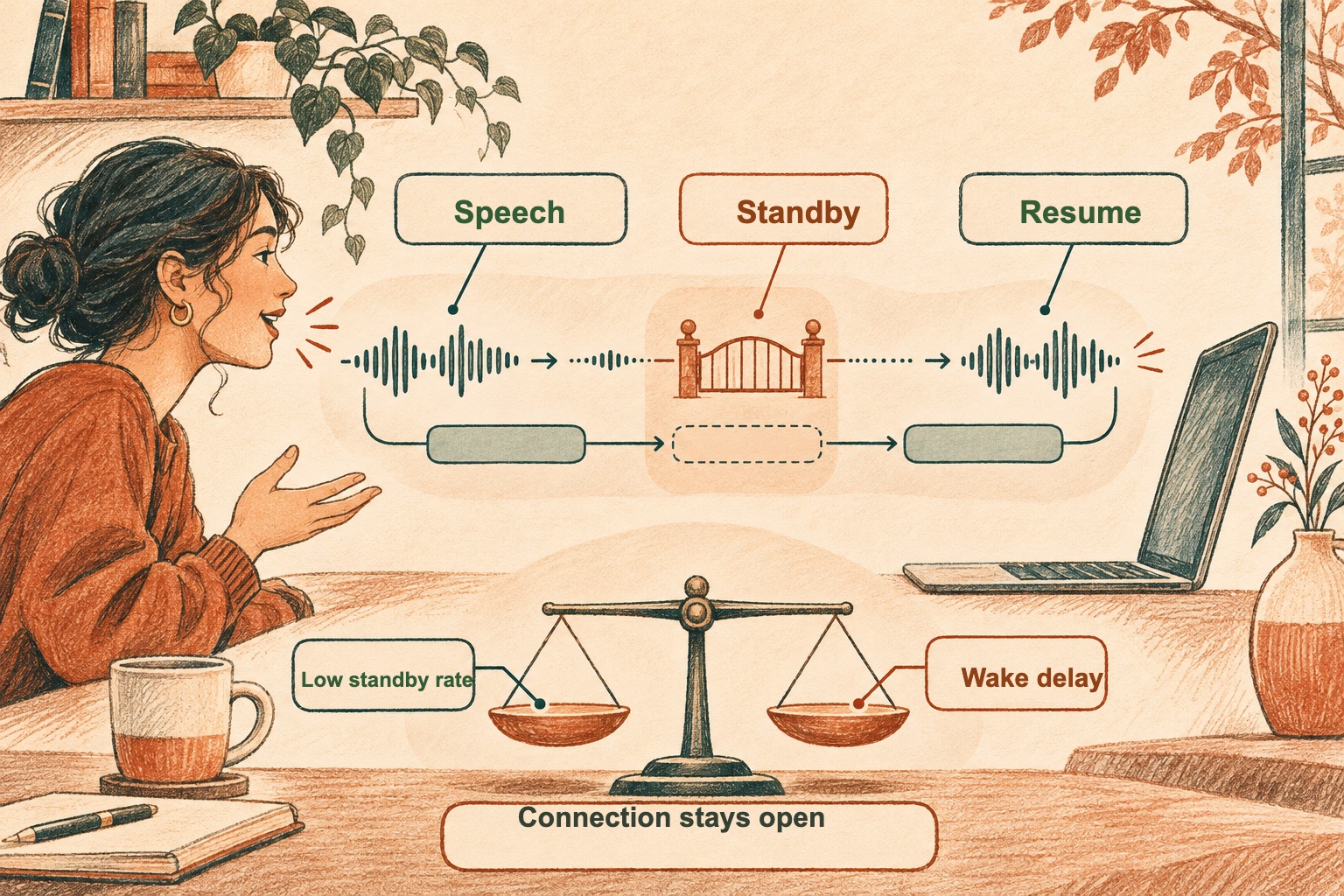
GPT-Live Standby Pauses Inference Without Closing a WebRTC Session
OpenAI’s standby mode pauses inference in silence and resumes on speech, trading lower idle rates for wake-up delay and an open microphone.
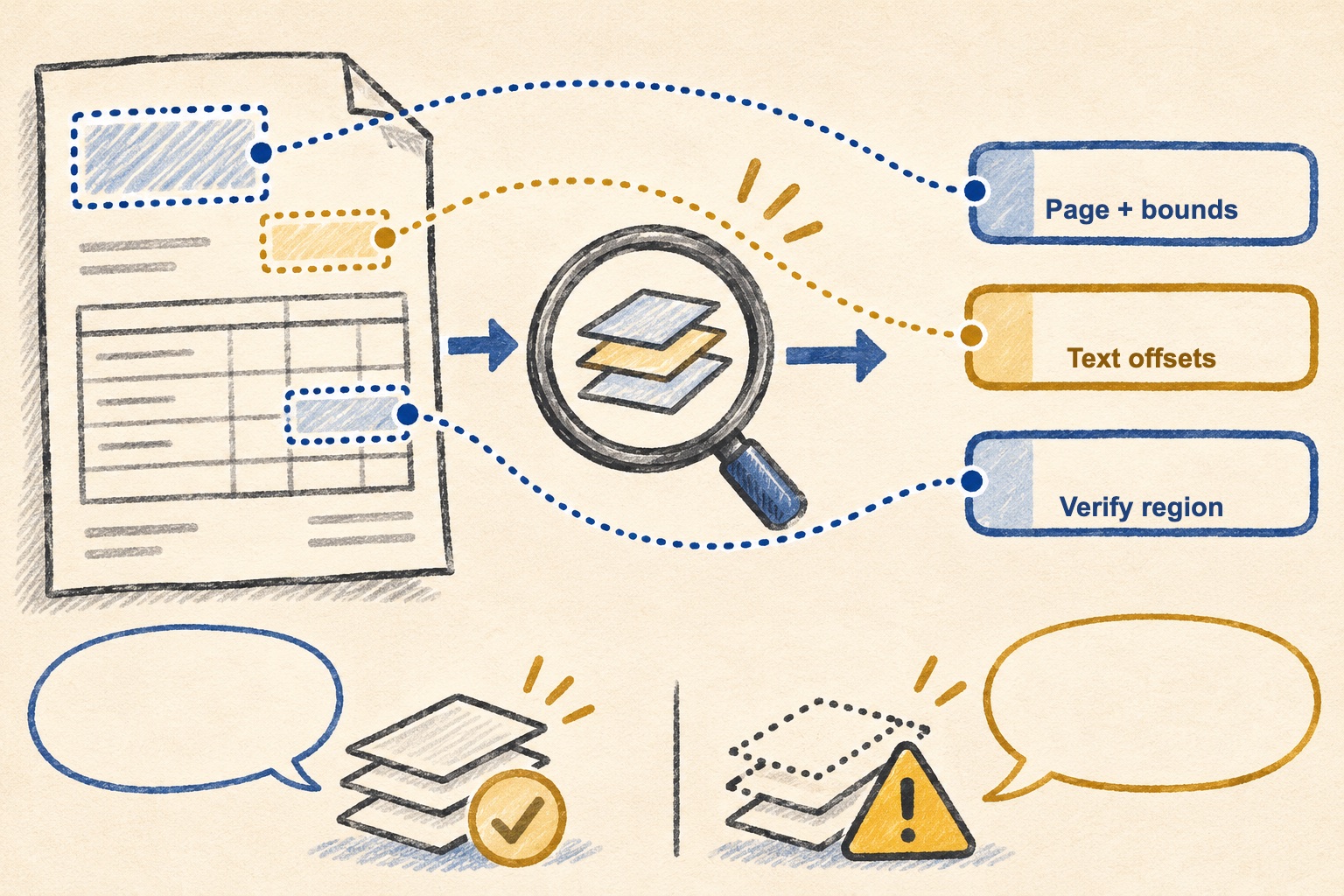
Snowflake AI_EXTRACT Citations Can Point Back to the Page Behind a Field
Snowflake’s preview returns source locations beside extracted values, making review easier without proving the answer is correct.
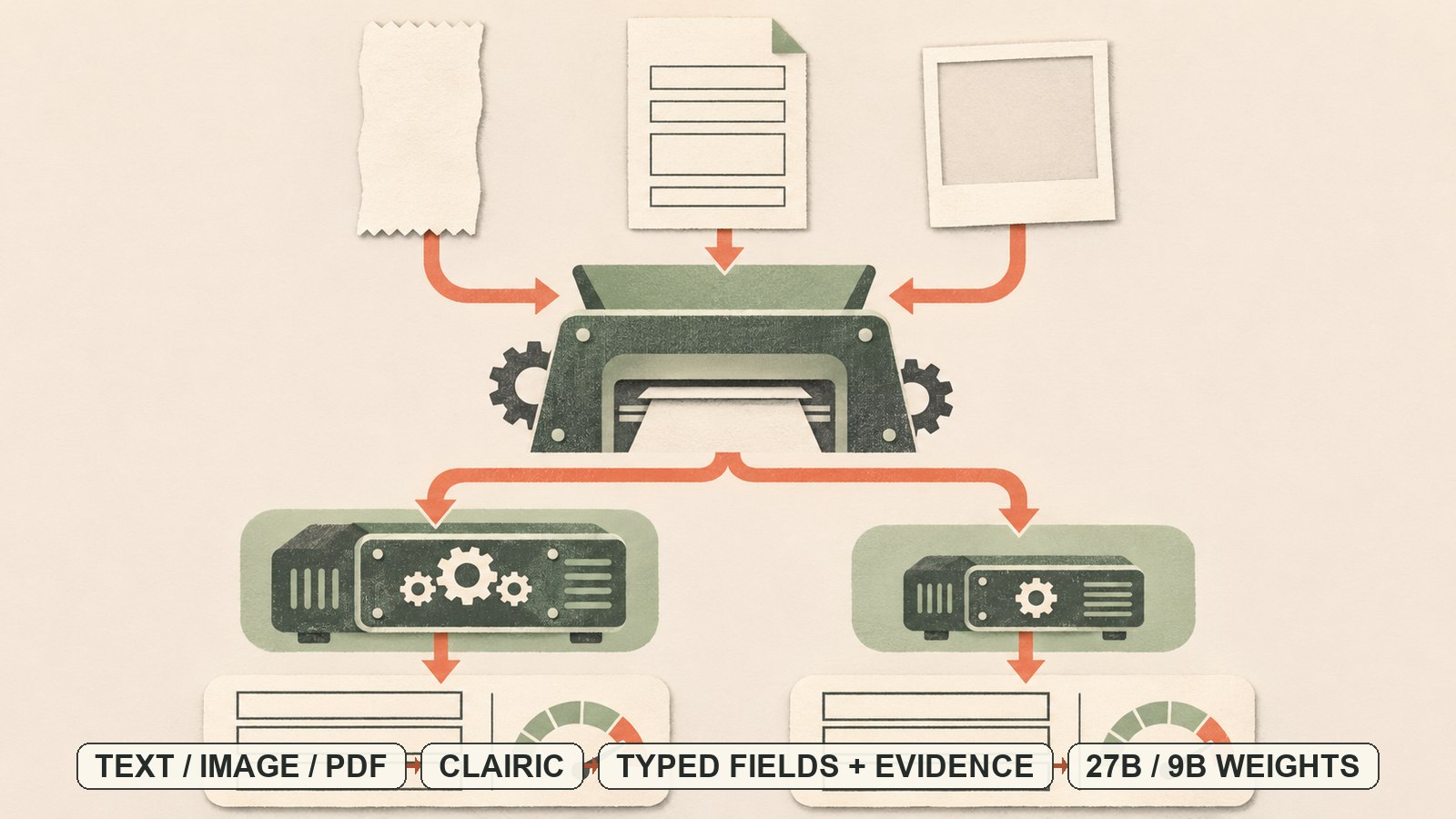
Cloudflare's Clairic Targets Document Extraction, Not Chat
Cloudflare's updated Clairic and compact 9B Clairic-flash extract typed fields from text, images and PDFs, with open weights now available.
/* Comments */
Comments are offline right now — we reconnect automatically, nothing is lost.