
Google Duplex Moves Into Gemini Tasks, Where Phone Calls Become an Agent Boundary
Google describes Duplex's shift from scripted calls to Gemini Tasks. Here is how live turn-taking works and what businesses can control.
On this page
A web form can reject an unavailable time with a dropdown. A receptionist can say, “That slot is full, but I have Friday afternoon,” while a customer is still explaining the request. A voice agent has to hear the interruption, infer the proposed alternative, check whether it fits the user’s constraints, and answer before the silence sounds like a dropped call. Google’s latest account of Duplex focuses on how its system evolved to handle that exchange.
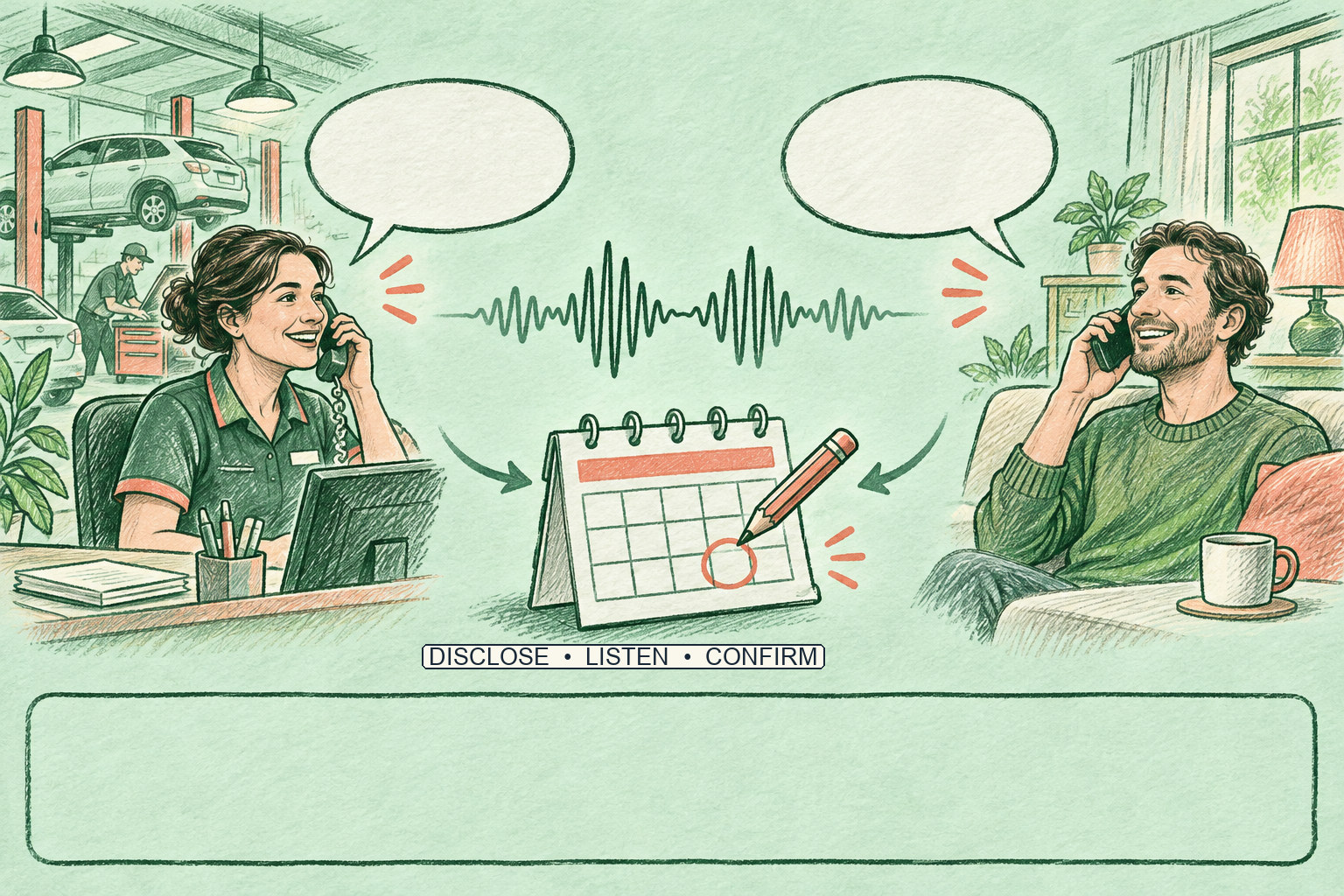
The system changed as the task boundary widened
Google Research says early Duplex systems were built for narrow domains such as restaurant reservations and business-hour checks, with task-specific recurrent models and extensive examples. When foundation models arrived, Google used them for more flexible language understanding but kept deterministic state tracking and policy rules around them. That hybrid design addressed a real tradeoff: a generative model could handle an unexpected turn, but it could also be slower or less predictable than the tightly scoped call flow.
The November retrospective says the newer architecture uses Gemini to unify multimodal understanding, planning, and dialogue generation. A free-text request can describe a task and its constraints—for example, coordinating vehicle maintenance around a calendar conflict—without creating a separate dialogue model for each business category. This is Google’s description of its own stack, not an independent performance evaluation.
The shift matters because telephone calls are not just a speech-to-text problem. Phone audio is compressed and noisy. Speakers overlap, pause, revise a request, or imply a refusal politely. A system has to decide when to speak, when to listen, and what a new offer means relative to the original task. Google says its system uses streaming inference and custom cadence models to keep responses brief and natural. Its Gemini Tasks announcement says the task experience can call businesses, work with calendar context, and ask for confirmation before consequential actions.
That architecture is adjacent to an agent loop, but the real world adds a person who did not initiate the interaction. Our guide to tool use and agent execution explains why deciding and acting are separate system steps; a phone call makes the action visible to another person in real time.
The business is part of the interface
A call agent has two audiences. The customer wants the request completed. The person answering needs to know who or what is calling, what the caller wants, and how to end the interaction. Google says each Gemini call begins by disclosing that it is an AI agent calling from Google. It also says a business can opt out in its Business Profile settings or ask the agent to stop during the call.
Google’s Business Profile help page documents automated calls on behalf of customers for appointment booking, restaurant wait times, and confirming prices or availability. It says those calls are available only in selected regions and languages. Its United States availability note excludes Indiana, Louisiana, Minnesota, Montana, and Nebraska. The broader Gemini Tasks launch covers more countries and task types, but that does not mean every phone-calling capability is available everywhere.
The business control is a useful baseline, not a full governance answer. The sources do not specify every circumstance in which a call can be transferred, how disputes are resolved, or how every call’s audio and transcript are retained. Teams integrating voice agents should separately document recording rules, escalation to a person, retry limits, identity disclosure, and how the agent handles a refusal. The Google Business Profile source also notes that calls may be monitored and recorded for quality assurance in the customer-request flow.
What users and businesses should watch
A user should treat an agent’s proposed appointment as a draft until the business confirms it and the calendar reflects the final details. Check date, time, location, service, and any cancellation terms. Google says the agent can coordinate with calendar data, but an automated conversation can still misunderstand an ambiguous request or accept an unsuitable alternative.
For a local business, keep phone hours and service details current, train staff to recognize the disclosure, and use the Business Profile controls if automated calls are disruptive. If the request requires judgment—an emergency repair, a medical question, a custom quote—the safer outcome may be a clear handoff rather than an agent improvising an answer.
For builders, measure the whole call, not just transcription accuracy: time to first response, overlap recovery, constraint preservation after a counteroffer, completion rate, and graceful human handoff. A system that sounds natural but books the wrong slot is not successful. Our evidence checklist for AI-agent transparency is a useful companion when evaluating claims about agents acting on a person’s behalf. Conversely, a concise disclosure and a clean refusal path may matter more than a humanlike voice.
The remaining limit is trust across the call
Google’s retrospective is unusually useful because it explains the evolution from closed tasks to a broader language-model-based stack. It is also an account from the company building the system, not an independent test of reliability or business impact. The launch documents give feature and control boundaries, but do not provide neutral outcome data across business types.
The product shift is clear: instead of asking a business to add an API or booking integration, Duplex can make a call through the channel the business already answers. That convenience moves complexity into the agent’s reasoning, timing, and consent design. The quality bar is therefore not whether the voice sounds human. It is whether both sides understand the caller, the request, the fallback, and the point at which a human should take over.
Frequently asked questions
Does Gemini Duplex place a call without telling the business it is AI?
Google says each call opens by disclosing that it is an automated system calling from Google. Businesses can also opt out through Business Profile settings or ask the caller to stop calling.
Is Gemini's phone-calling feature available everywhere?
Google describes a broader Gemini Tasks rollout across several countries, but its Business Profile help page says automated calls on behalf of customers are limited to select regions and languages. In the United States, it lists five states where the feature is unavailable. Check current availability for the specific task and account.
Sources & further reading
Keep reading
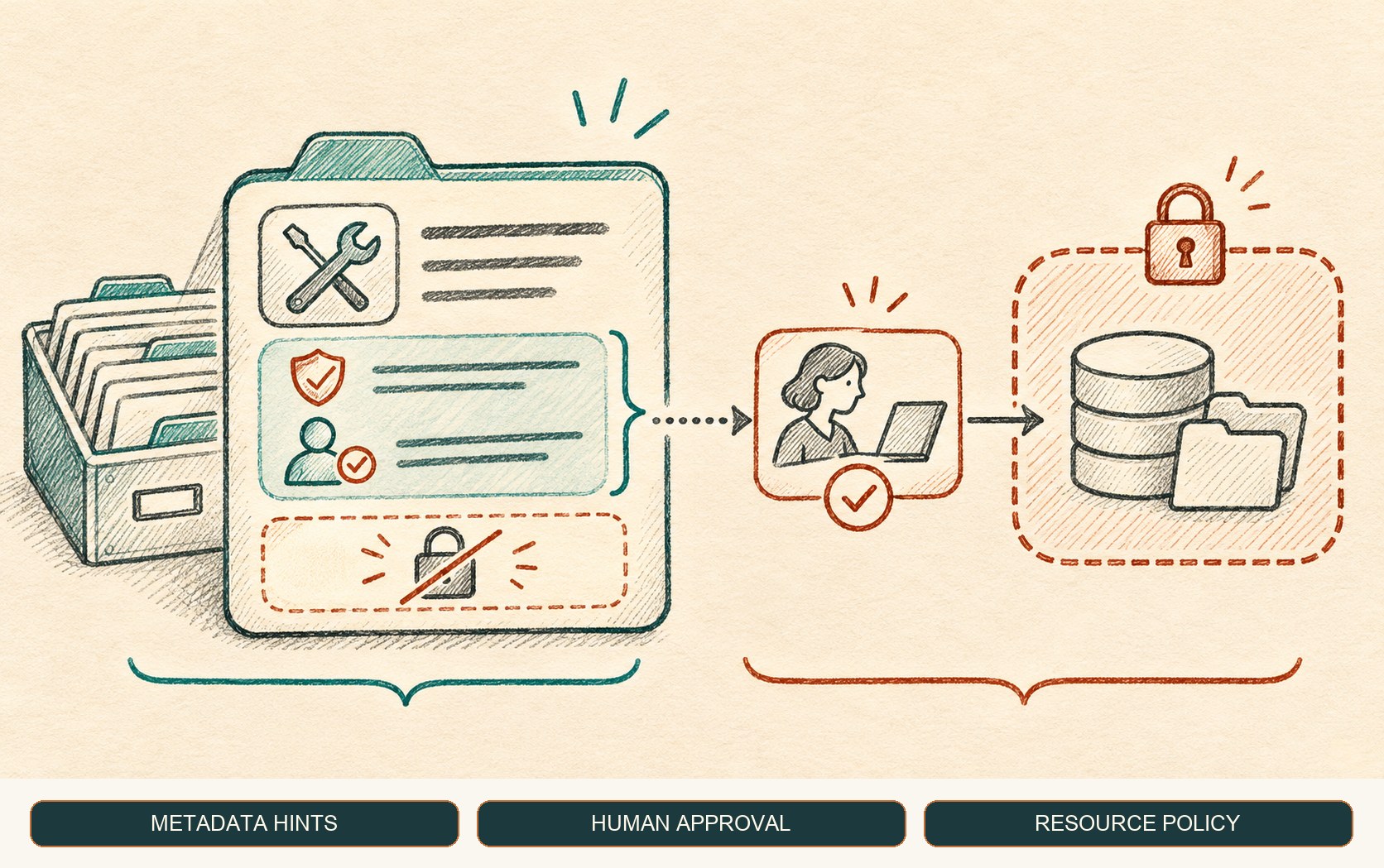
Google Agent Registry Adds MCP Policy Hints, Not an Access Boundary
Google Cloud's Agent Registry adds preview IAP and human-review metadata for MCP tools. Learn what these hints clarify and what still must enforce access.
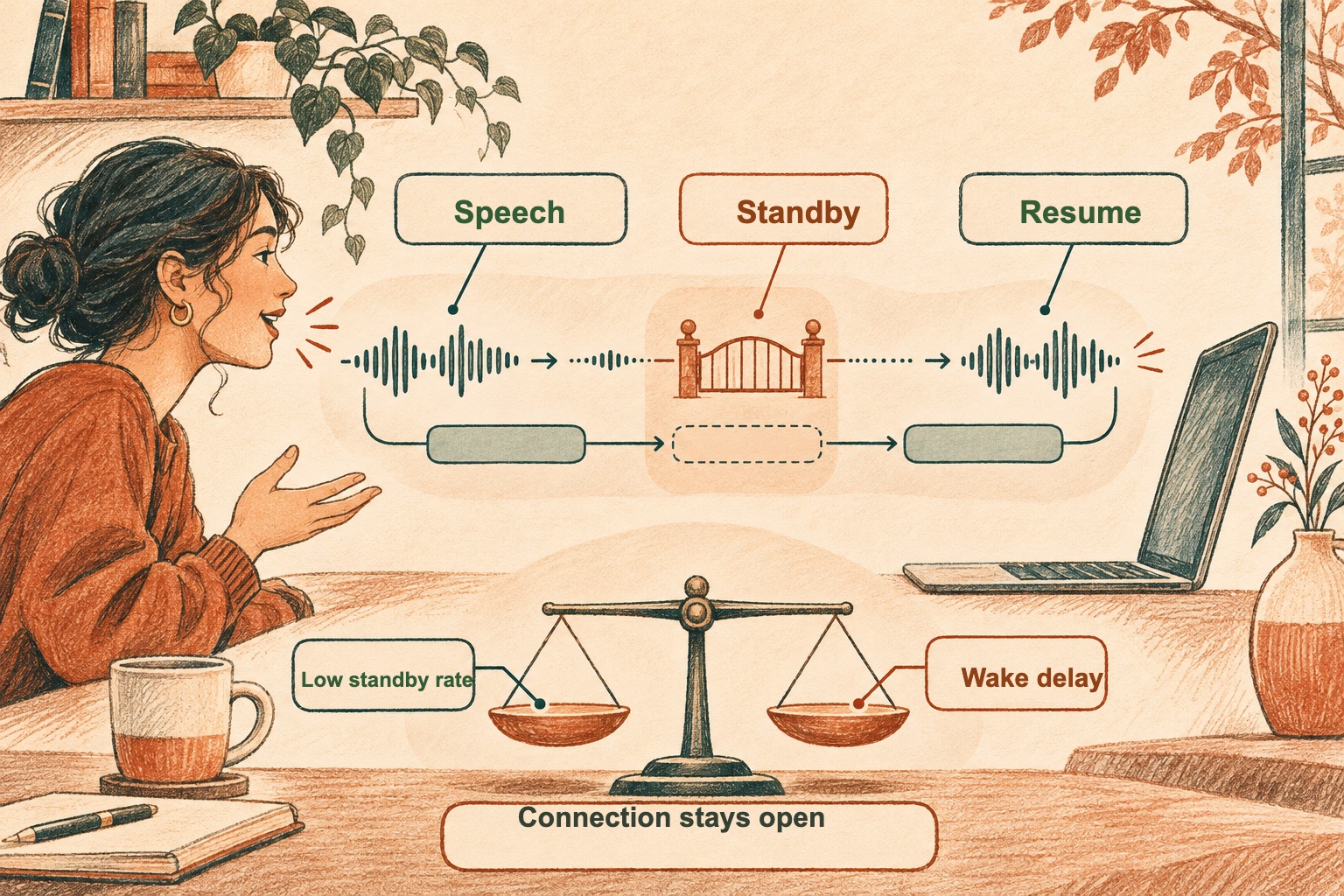
GPT-Live Standby Pauses Inference Without Closing a WebRTC Session
OpenAI’s standby mode pauses inference in silence and resumes on speech, trading lower idle rates for wake-up delay and an open microphone.
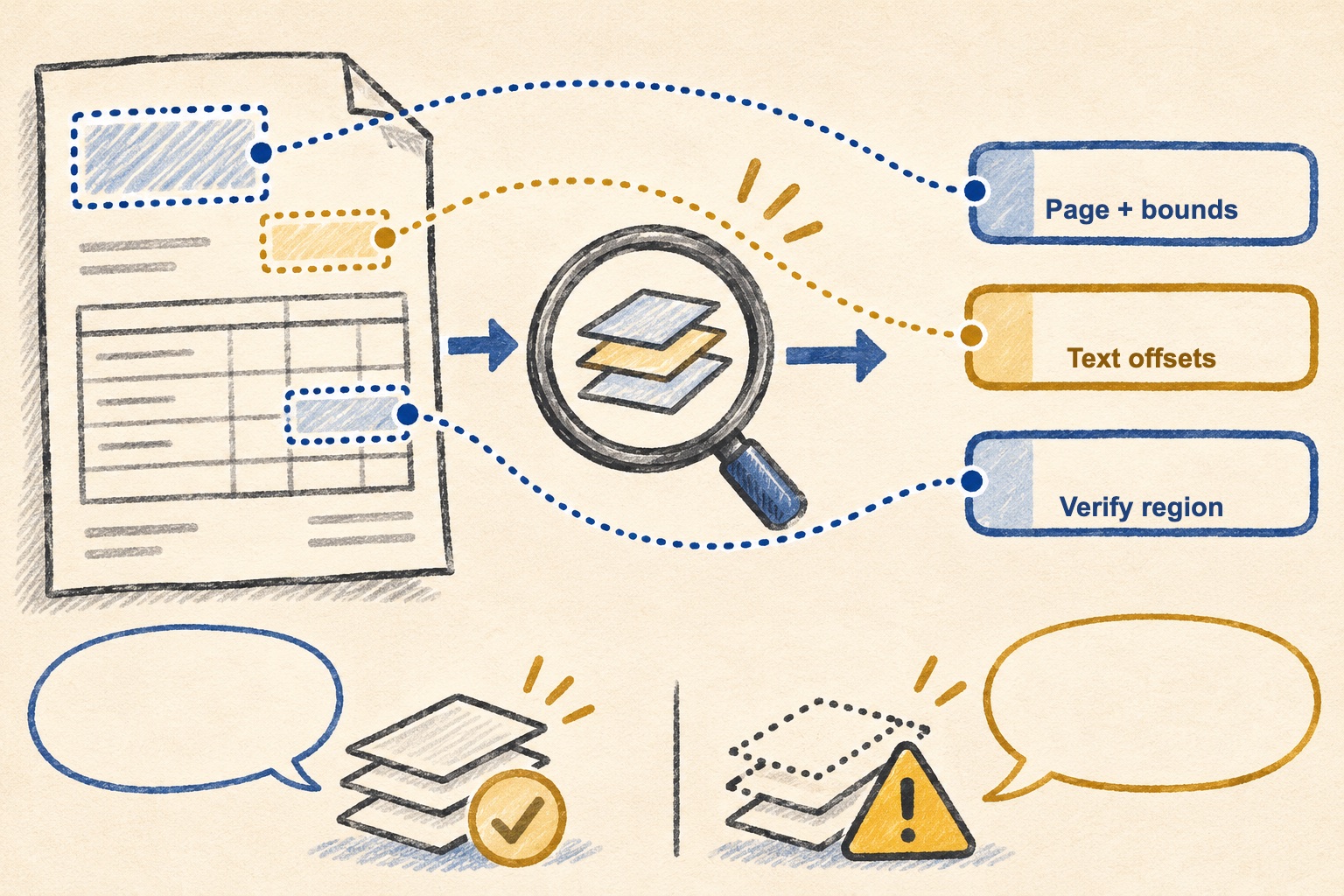
Snowflake AI_EXTRACT Citations Can Point Back to the Page Behind a Field
Snowflake’s preview returns source locations beside extracted values, making review easier without proving the answer is correct.
/* Comments */
Comments are offline right now — we reconnect automatically, nothing is lost.