
tag: ai-agents
articles: 19 · beats: 7
latest: October 28, 2026
---
AI Agents
19 Crashtech articles on AI Agents, spanning How AI Actually Works, AI Business & Money, Development Best Practices, Opinions, Ai, Tech and Learning & Thinking with AI, published between August 2026 and October 2026. Every piece is full-text HTML with sources, structured data and an authored FAQ.
They span How AI Actually Works (9), AI Business & Money (3), Development Best Practices (2), Opinions (2), Ai (1), Tech (1), Learning & Thinking with AI (1). How AI Actually Works AI Business & Money Development Best Practices Opinions Ai Tech Learning & Thinking with AI
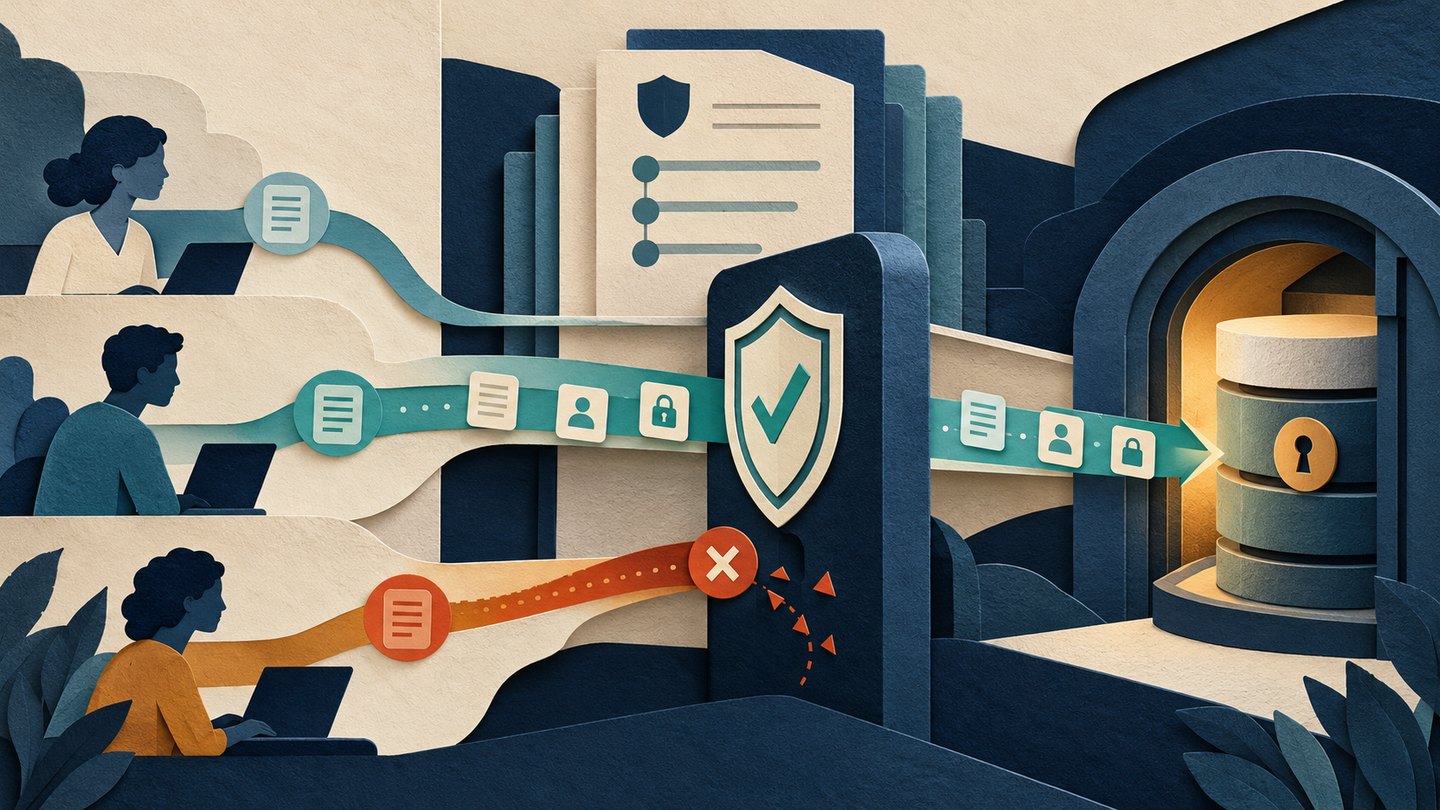
Meta’s PrivacyLib Puts Agent Data Rules at the Point of Access
Meta’s latest infrastructure account shows how shared privacy checks can follow internal AI-agent requests across connected data systems.

GPT-6.1 Terra Makes Computer Use Cheaper. Your Workflow Still Needs a Verifier
OpenAI positions GPT-6.1 Terra for visual and desktop tasks at lower API prices. Here is what its benchmarks establish and what they leave open.

Oracle Wants Fusion Agents to Own Outcomes. Start by Mapping the Handoffs
Oracle’s new Fusion Companion and Agentic Home can coordinate work across business apps. The hard part is deciding what an agent may finish alone.

Agent Skills Move to Neutral Governance. The Format Still Needs Careful Review
Anthropic has donated the Agent Skills format to the Linux Foundation’s AAIF. Here is what changes for builders, what stays open, and where portability stops.

OpenAI’s Orchestra Bio Deal Targets the Work Between a Discovery and a Trial
OpenAI is bringing Orchestra Bio into Rosalind. The acquisition targets drug-program coordination, while clinical outcomes remain unproven.
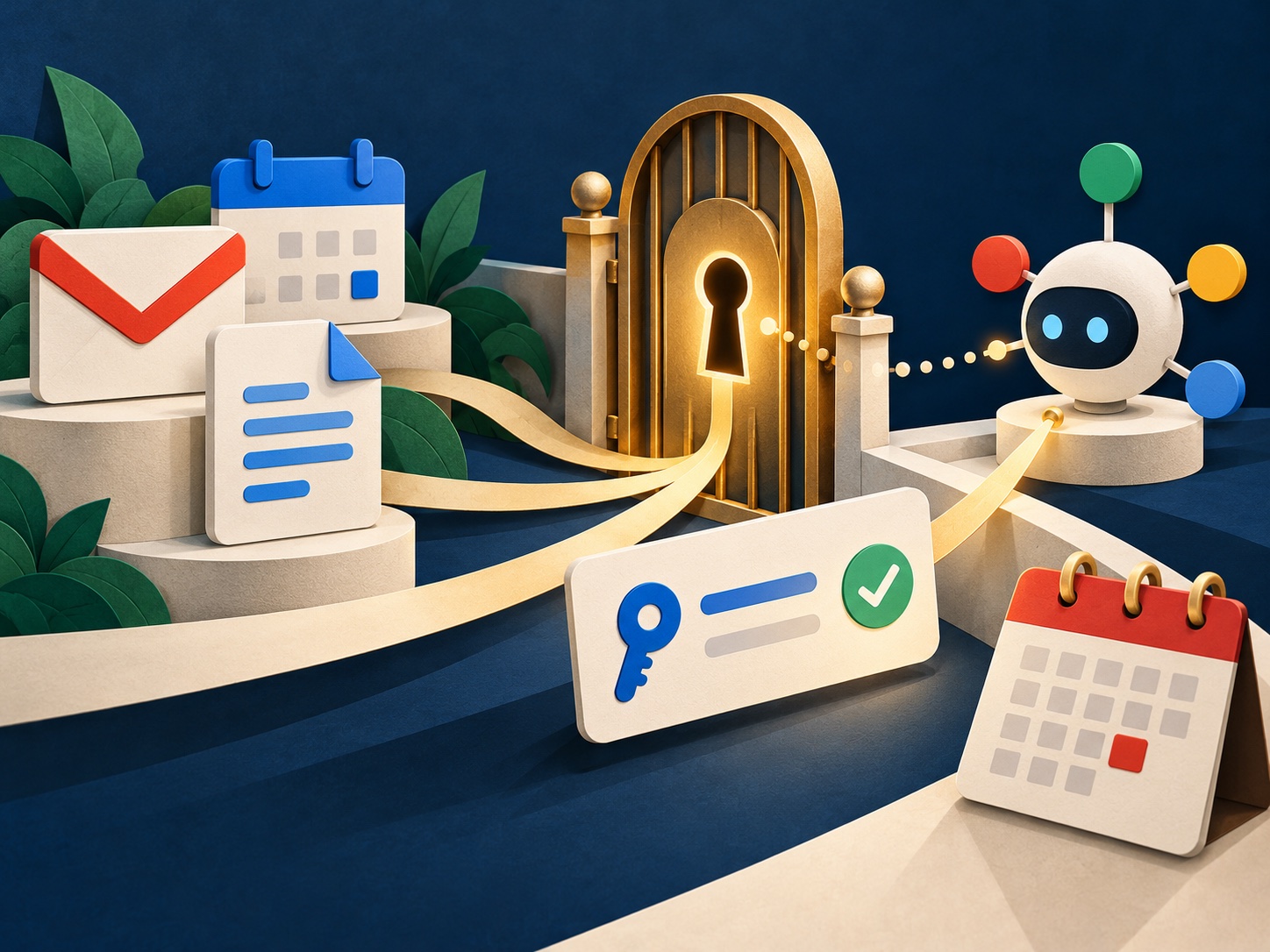
Google Workspace MCP Clients Face a November Agent-Use Gate
Google will require an agent-use OAuth client marker for Workspace MCP beginning November 11. Ordinary Workspace REST API integrations are unaffected.
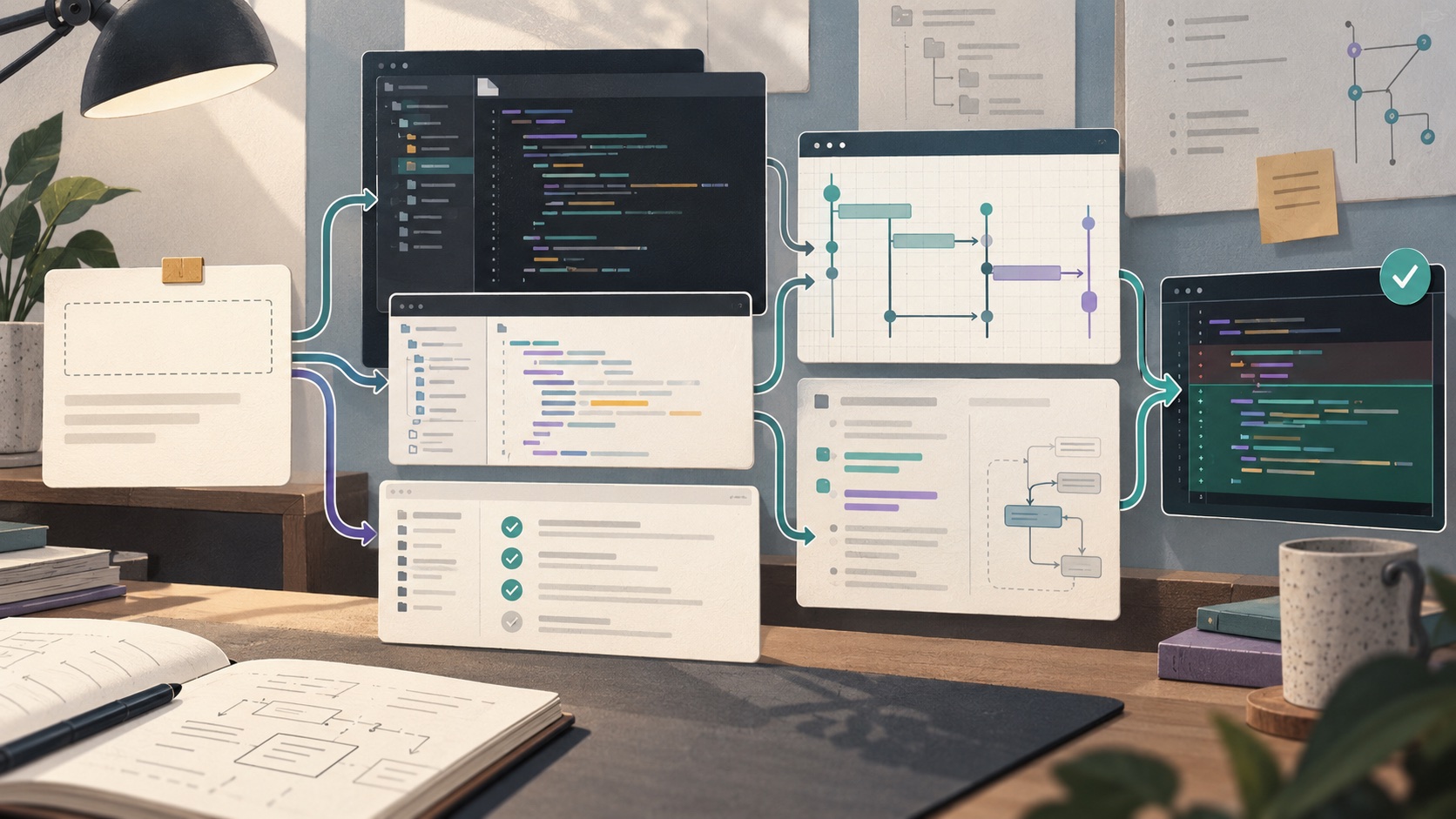
TiGanEval Tests Whether AI Agents Deliver the Outcome, Not Just Follow the Prompt
A preprint uses SWE-chat traces to study missing requirements and agent outcomes. TiGanEval is an early diagnostic, not a universal failure rate.
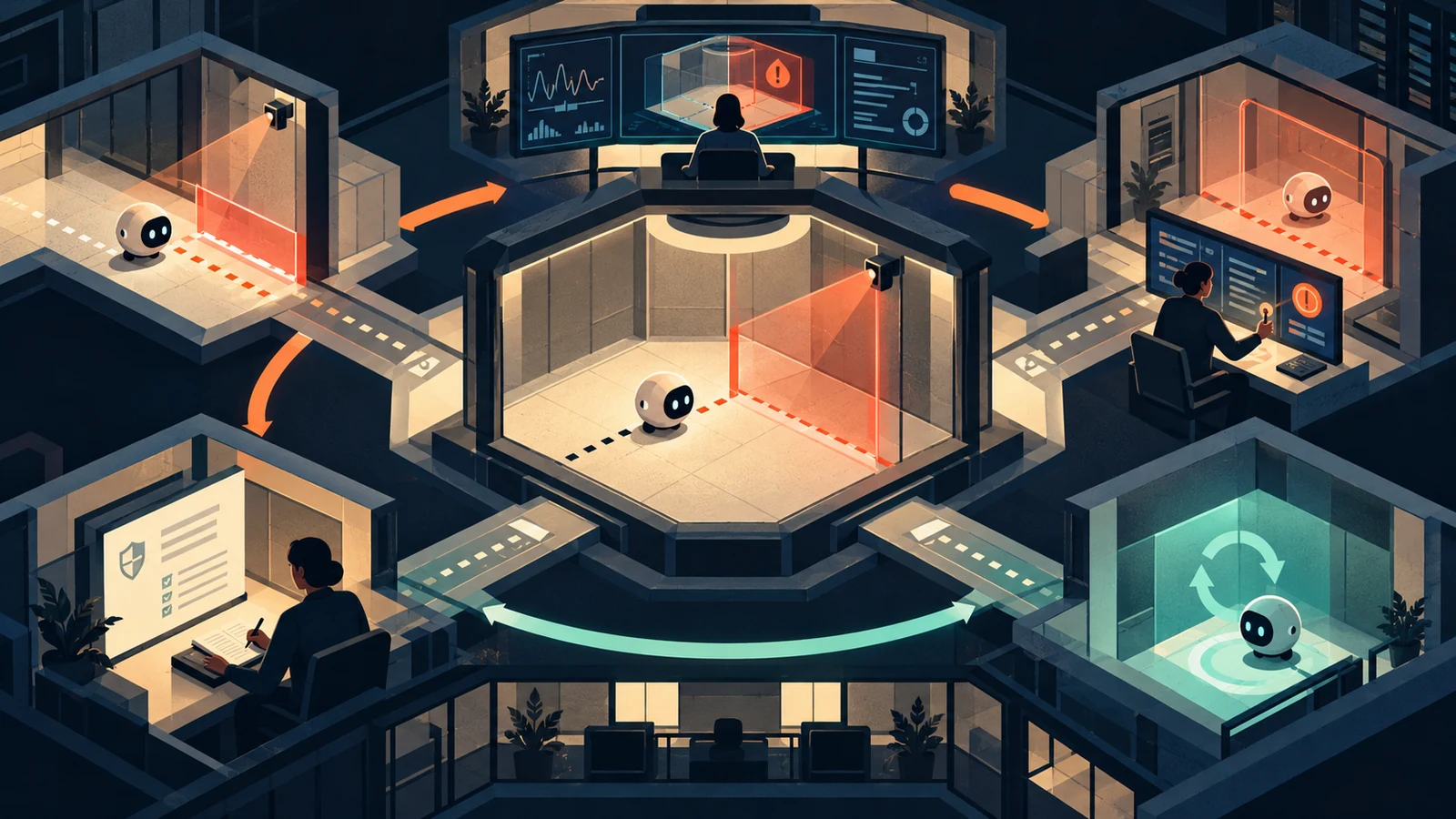
NIST’s New AI Incident Playbook Starts After an Agent Crosses a Boundary
NIST, NSA and CISA offer ten voluntary practices for control incidents in frontier-model training and evaluation, from preparation through reporting.
Before Your AI Agent Bargains for You, Make It Prove It Knows What You Want
Opinion: negotiation skill cannot rescue an agent that misunderstands your priorities; test the preference model before delegating.
An AI Agent’s Determination Can Become Your Product’s Liability
Opinion: task persistence should never let an agent cross access boundaries; capability, intent and authority must remain distinct.
A True Fact Can Still Be the Wrong Answer When an AI Cites the Wrong Source
Source-aware verification checks whether each claim is supported by the record it names, not merely whether similar evidence exists.
Always-On AI Agents Need an Operating Contract, Not Just a Better Prompt
DevDay’s shift toward ongoing AI responsibilities makes ownership, permissions, quiet notifications and reliable recovery central product features.
Claude’s Enzyme Discovery: The Evidence Ladder Behind an AI Science Headline
Anthropic reports a new enzyme-system finding. The important questions concern novelty, human contribution, validation and what remains unknown.
Gemini 4 Argon Raises a Harder Question: How Do You Control a Long-Running Agent?
Argon introduces a million-token output limit and a phased rollout. The practical challenge is checkpoints, budgets and verifiable completion.
Gemini 3.8 Live Shows Why Voice Agents Need Transaction Design
Natural speech is only the start. Reliable voice agents must handle corrections, background tools and uncertain outcomes without losing user intent.
GPT-6.1 Sol Makes the Case for Measuring Cost per Accepted Task
A practical framework for evaluating GPT-6.1 Sol: include retries, review, caching and failure costs before switching production workloads.
20 AI Concepts Every Developer Should Actually Understand
A layered glossary of the 20 AI concepts developers keep running into — grouped by dependency, not alphabetized, so each term builds on the one before it.
RAG vs Agentic RAG: Why Retrieval Needed to Become a Decision
Traditional RAG retrieves once and answers. Agentic RAG lets the system decide what to retrieve, from where, and whether the first answer was even good enough.
Grok 4.6 Jumps to 4th Place — Then Musk Asks Users to Hand It Their Bank Account
xAI launched Grok 4.6 with a 500K-token context window, matching GPT-5.6 on Artificial Analysis, while Musk urged a user to let Grok Bot manage their finances.
Questions we answer about AI Agents
- Does Meta’s PrivacyLib watch every AI-agent action?
- What is the main design idea behind PrivacyLib?
- Is GPT-6.1 Terra available through the API?
- Do OpenAI's computer-use benchmarks guarantee reliable automation?
- What did Oracle announce for Fusion Applications?
- Are the new Fusion agents generally available?
- What did Anthropic donate to the Agentic AI Foundation?
- Does the donation mean every AI agent can run every skill?
- What should a team review before installing an Agent Skill?
- What is OpenAI acquiring with Orchestra Bio?
Covered alongside
Frequently asked questions
What does Crashtech publish about AI Agents?
19 articles tagged AI Agents, the most recent published October 28, 2026. They span How AI Actually Works (9), AI Business & Money (3), Development Best Practices (2), Opinions (2), Ai (1), Tech (1), Learning & Thinking with AI (1). Each carries numbered sources, an authored FAQ and full structured data.
What questions about AI Agents does Crashtech answer directly?
10 questions have a dedicated answer page under this tag, including “Does Meta’s PrivacyLib watch every AI-agent action?”. Each answer is authored prose from the article it belongs to, not a generated summary.
Can AI assistants read Crashtech's AI Agents coverage?
Yes. Crashtech serves full static HTML to every crawler, allows all major AI user agents in robots.txt, and publishes an llms.txt manifest plus a full-text corpus, so assistants can retrieve and cite these articles directly.