
GitHub MCP Server 2.3.0 Lets Agents Update Security Alerts
GitHub MCP Server 2.3.0 adds alert-update tools for Dependabot, code scanning, and secret scanning, making token scope and review policy central.
On this page
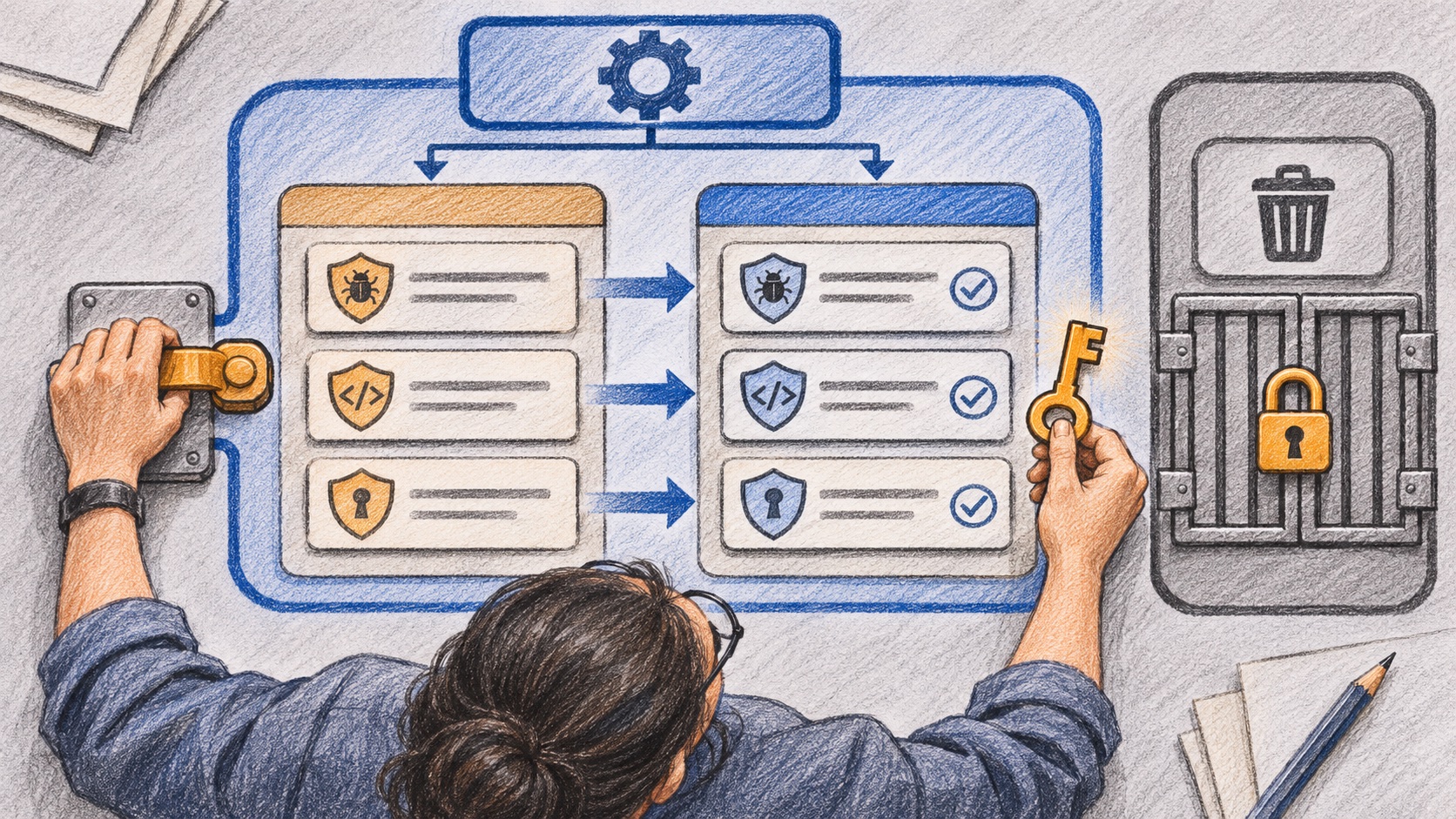
An agent that can summarize security alerts is useful; an agent that can change them needs a different review. GitHub MCP Server 2.3.0, released November 24, adds tools to update Dependabot alerts, code-scanning alerts and secret-scanning alerts. It also includes experimental pull-request artifact tools. The security-update tools change the integration from read-oriented triage toward remediation workflow, but they do not grant authority by themselves: the authenticated GitHub identity and its permissions still bound what can happen. [1]
GitHub’s release notes also say automation confirmation is kept on delete only while the server tightens tool schemas. That makes deployment configuration and client-side review behavior important: do not assume every update action will pause for a human simply because another action does. The release notes establish which tools were added; the repository’s current configuration and the client’s policy determine how those tools are exposed and approved. [1]
Separate alert triage from remediation authority
Before enabling an update tool, decide which repositories and alert types the agent needs, then issue credentials with only the matching repository access and security permissions. GitHub’s REST API documentation describes distinct endpoints and permission requirements for each alert family. For Dependabot, for instance, API management is currently marked as public preview and endpoint access depends on the authenticated principal and repository or enterprise role. The MCP server inherits these constraints rather than bypassing them. [2]
A useful workflow separates three steps: the agent gathers alert context, proposes a change with the evidence it used, and performs an update only under the organization’s chosen review rules. Alert closure, dismissal or state changes can affect what teammates see and what automation will process next. Keep an audit trail with the alert identifier, requested state, actor, time and outcome. For operations with broad or hard-to-reverse consequences, retain an independent approval gate even if the client can invoke the tool directly.
This boundary is especially important when one MCP server exposes several tool families. A token capable of editing code-scanning findings may also have unrelated repository powers unless it is carefully scoped. Test with a deliberately narrow identity, verify denied calls fail as expected, and make client tool allowlists explicit. Our guide to GitHub advisory custom roles explores the underlying permission model, while agent skills and governance covers policy outside the API token.
Upgrade the server and verify the effective tool set
Pin the server release, review the new tools before enabling them, and inspect the client’s tool listing after upgrade. A schema change can affect clients that validate structured outputs strictly; the project release notes call out security-update tools and other additions individually. Start in a repository where alert changes are low consequence, confirm the actor recorded by GitHub, and verify the expected alert state in the ordinary GitHub interface after a sample operation. [1]
The practical gain is a shorter path from finding to tracked action. The safe deployment is the one in which the path is explicit: least-privilege credentials, a named tool allowlist, review rules for meaningful changes and logs that let maintainers reconstruct why an alert changed.
Frequently asked questions
What security-alert actions are new in GitHub MCP Server 2.3.0?
The release adds tools to update Dependabot, code-scanning, and secret-scanning alerts; it also lists experimental pull-request artifact tools, which are a separate preview feature.
Does installing the MCP server give an agent access to every alert?
No. The authenticated GitHub identity, token or app permissions, repository access, server configuration, and client approval behavior still determine which operations can succeed.
Sources & further reading
Keep reading
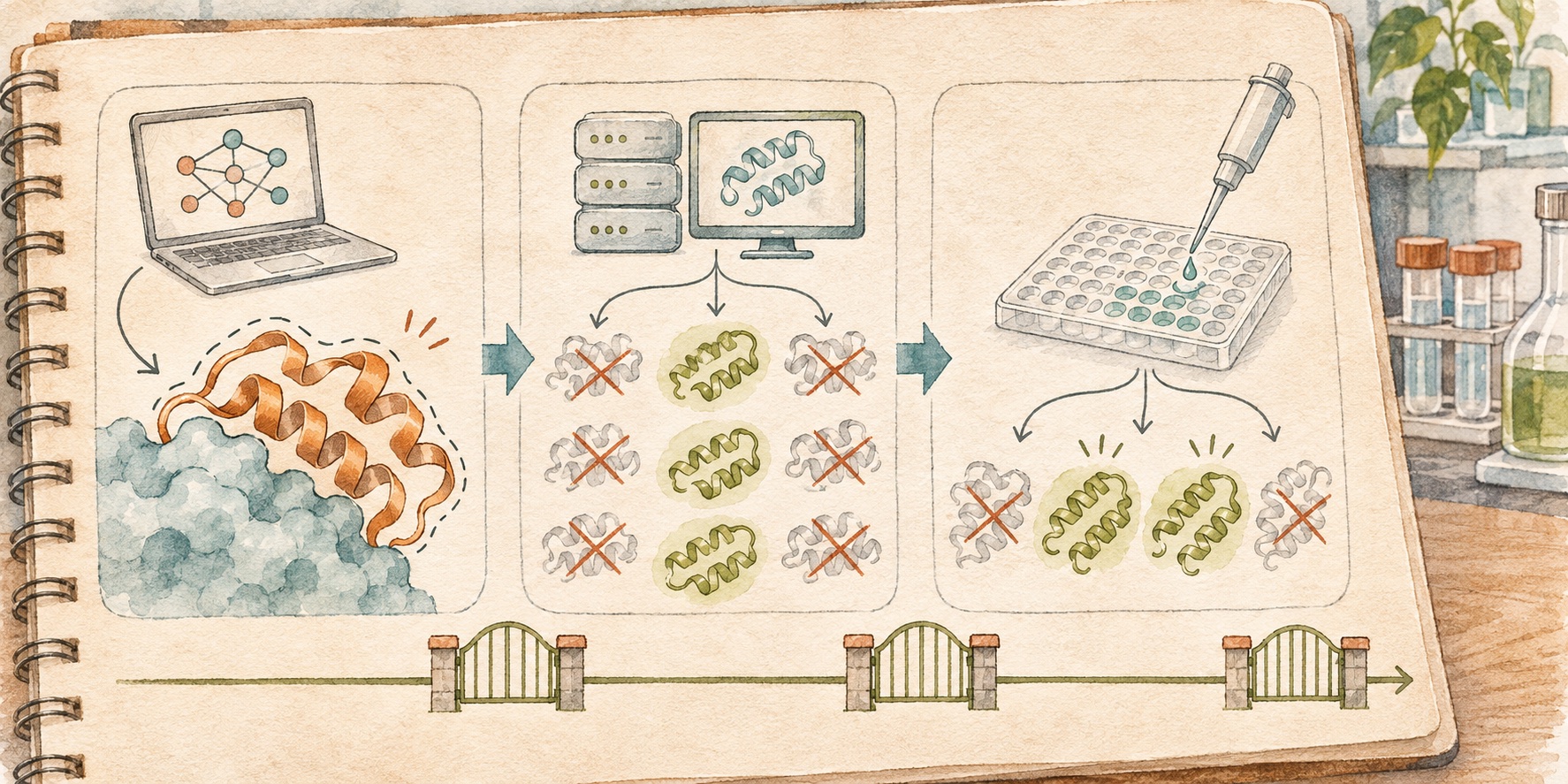
AI Protein Design Still Has to Pass Through the Lab
OpenAI reports lab evidence for GPT-6.2 protein designs, with specialist models still filtering candidates. Here is what the experiment shows—and leaves open.

OpenAI’s Healthcare API Adds a Clinical Search Path, Not PHI Permission
OpenAI’s healthcare API adds a clinical search path. Developers still need source review and a separate BAA before handling PHI.
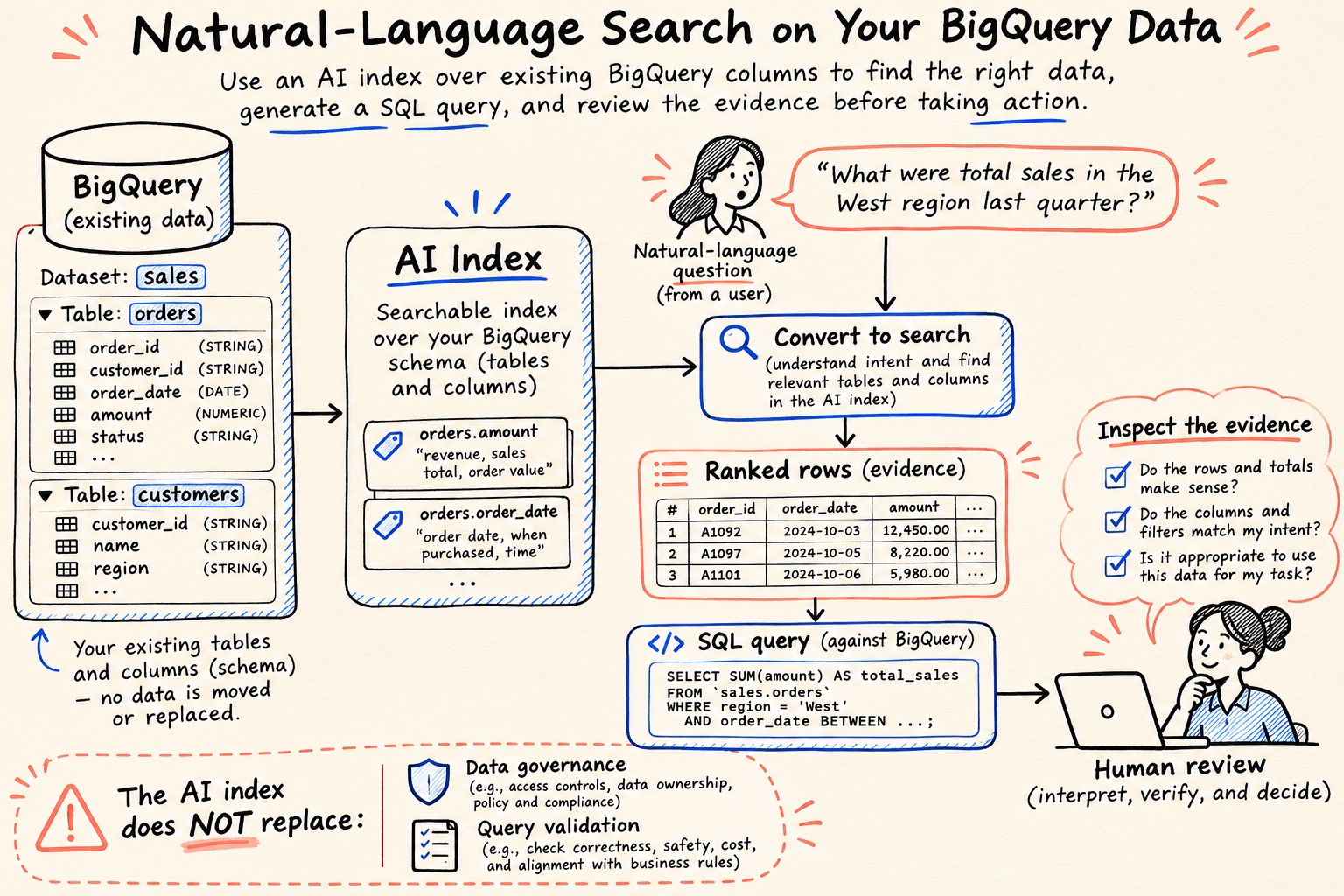
BigQuery AI Index Makes Natural-Language Search a Managed Service
Google’s preview AI indexes simplify semantic table search, but column limits, incomplete coverage and background processing costs still shape production use.
/* Comments */
Comments are offline right now — we reconnect automatically, nothing is lost.