
tag: kubernetes
articles: 15 · beats: 6
latest: November 15, 2026
---
Kubernetes
15 Crashtech articles on Kubernetes, spanning Development Best Practices, Cloud Infrastructure, System Design & Architecture, Systems Architecture, Ai Infrastructure and Networking, published in November 2026. Every piece is full-text HTML with sources, structured data and an authored FAQ.
They span Development Best Practices (5), Cloud Infrastructure (3), System Design & Architecture (3), Systems Architecture (2), Ai Infrastructure (1), Networking (1). Development Best Practices Cloud Infrastructure System Design & Architecture Systems Architecture Ai Infrastructure Networking
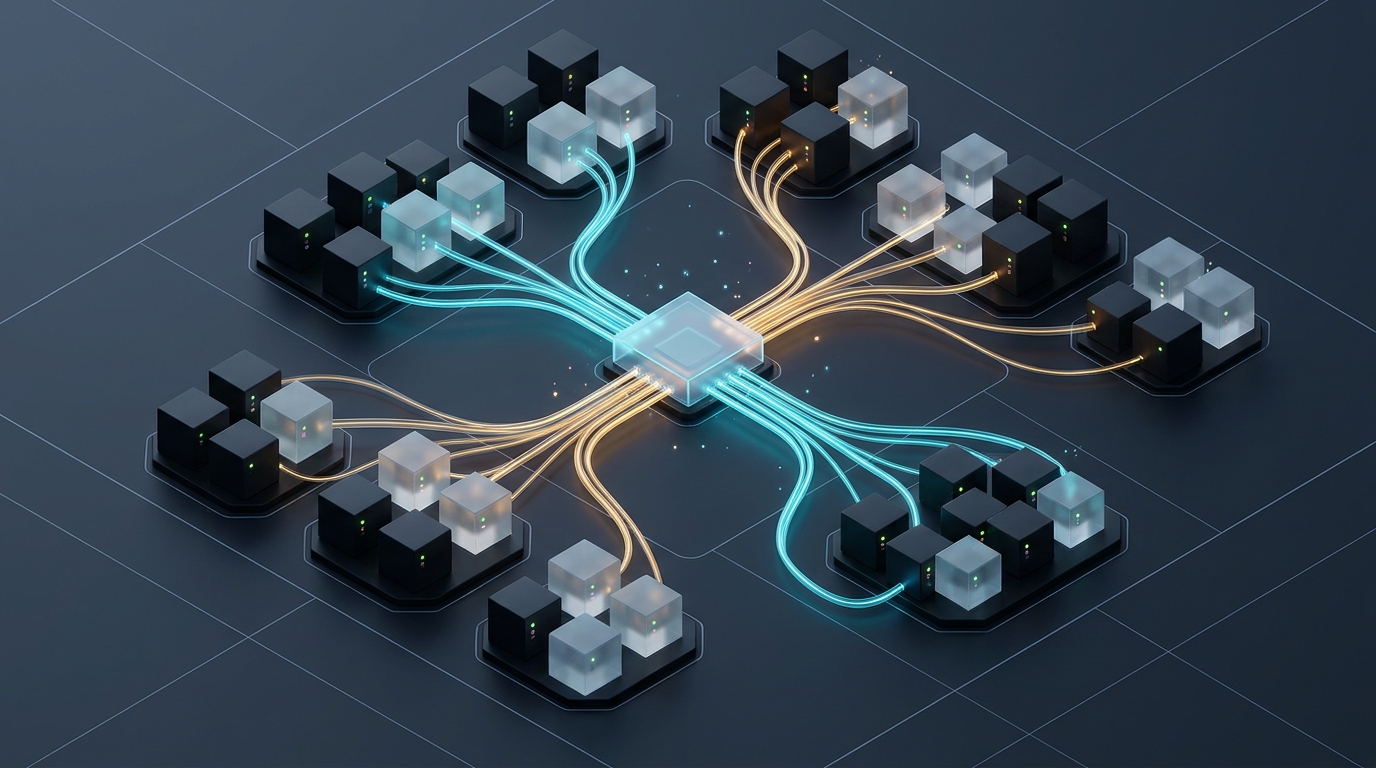
Client-Side Load Balancing on Kubernetes: Why gRPC Traffic Skews and How Databricks Routes Per Request
How Databricks eliminated gRPC traffic skew in Kubernetes: custom xDS control plane, client-side P2C routing, zone-affinity, and slow-start ramp-up.

Kubernetes Control Plane and Nodes: Who Owns Each Reconciliation Step
Trace a workload from the Kubernetes API through controllers, scheduling, kubelet, and container runtime—and learn which component to inspect when it stalls.

Kubernetes Pod Termination: Signals, Endpoint Draining, and Object Cleanup
Follow a Pod from API creation through scheduling and readiness to graceful shutdown, and distinguish lifecycle phases from kubectl status labels.

How Lyft Built LyftLearn Serving: Generated Microservices and Model Self-Tests at Scale
How Lyft serves millions of ML predictions per second: decoupling data and control planes, generating per-team microservices, and model self-tests.
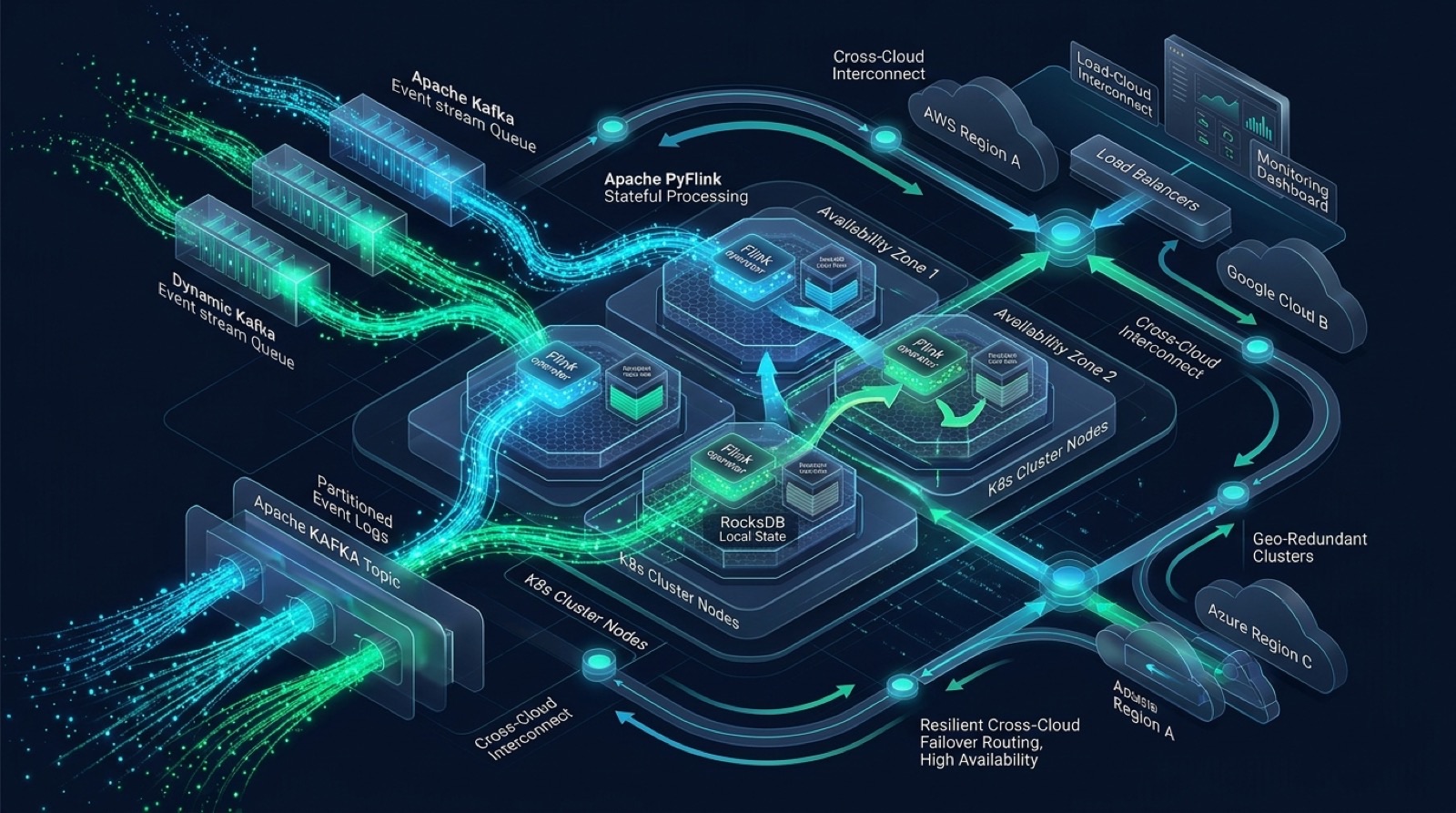
Inside OpenAI's Stream Processing Platform: PyFlink, Kubernetes and Resilient Multi-Cloud Kafka
How OpenAI built a resilient Python-native stream processing platform on Apache PyFlink and Kubernetes that survives entire cloud region outages.
Service Mesh Architecture: Data Plane Sidecars, Control Plane Traffic Policy, and Zero-Trust mTLS
An architectural guide to Service Mesh: Envoy sidecars, Istio control planes, transparent mTLS, traffic shedding, and ambient eBPF alternatives.
Virtualization vs Containerization: Hardware Isolation, Shared Kernels, and Where Each Breaks
An architectural guide comparing virtual machines and containers: hypervisors, Linux namespaces, cgroups, shared kernel security, and microVMs.

Docker vs Kubernetes: Where Container Packaging Ends and Orchestration Begins
Docker builds, distributes, and runs container images; Kubernetes reconciles workloads across a cluster. The tools overlap in a workflow, not in purpose.
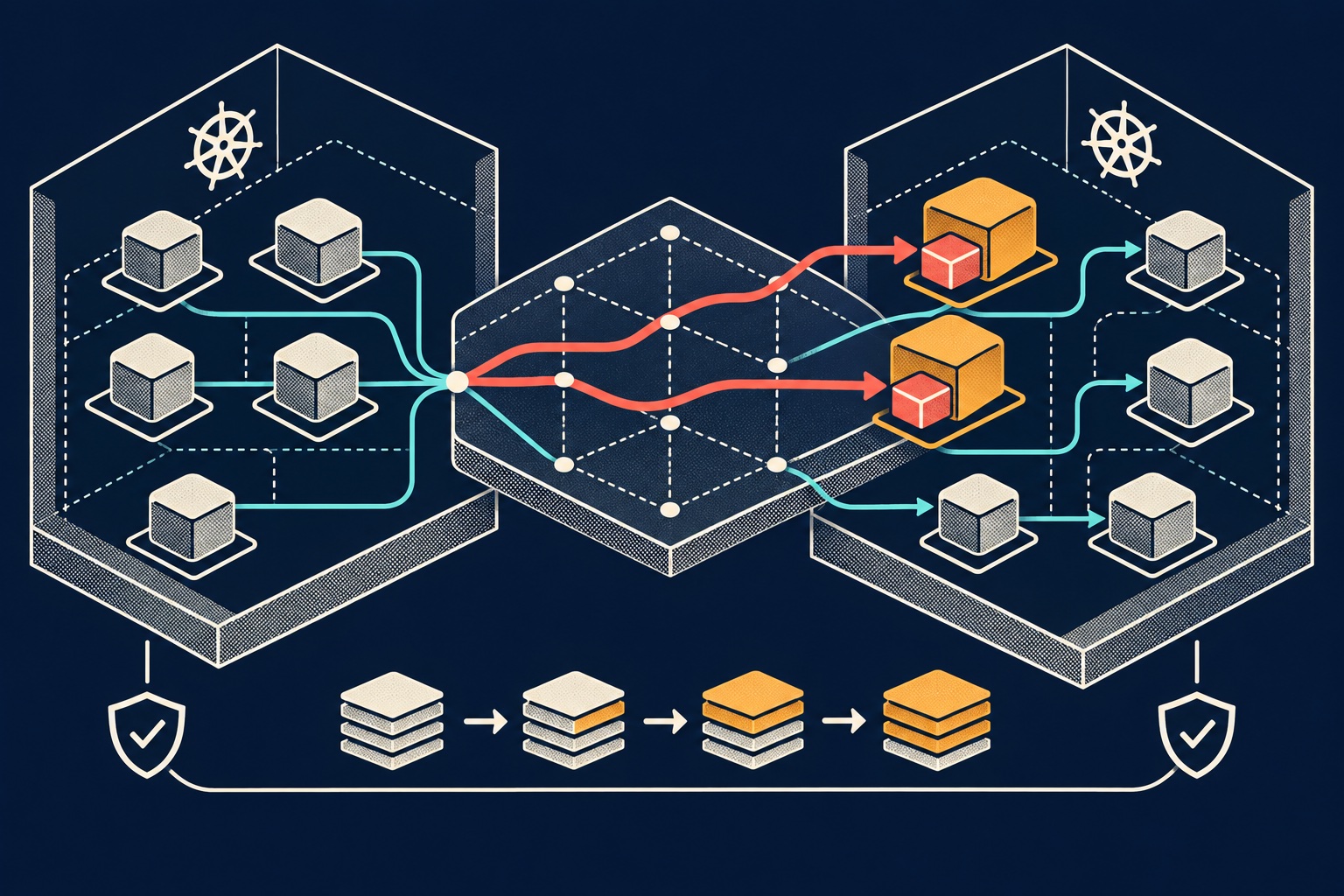
DoorDash’s 80M-RPS Mesh: Lessons from a Thousand-Service Migration
DoorDash’s 2025 engineering account explains how a canary rollout of Envoy sidecars addressed fragmented service routing and retry-driven failure risk.
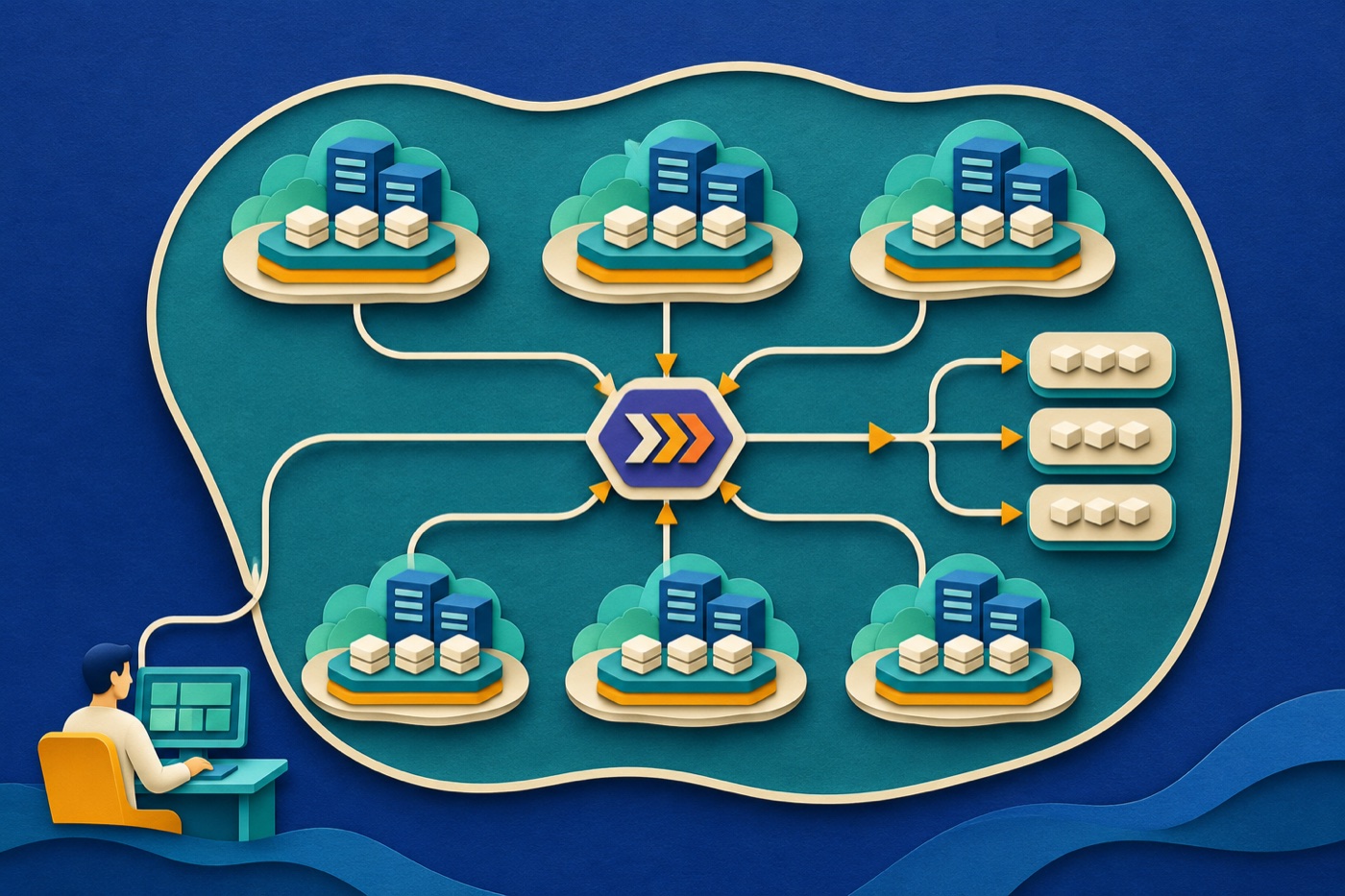
Hotstar’s Datacenter Abstraction: Scaling Kubernetes Across Clusters
How Hotstar grouped regional EKS clusters behind stable service endpoints, centralized routing and a shared deployment model.

Pinterest Pacer: Scaling Asynchronous Jobs with Stateful Dequeue Brokers
Pinterest’s Pacer redesign assigns queue partitions to brokers to reduce contention in its Pinlater job system.

Airbnb’s Database-on-Kubernetes Design: Availability Through Safer Replacement
Airbnb’s engineering team explains why it runs one database across three Kubernetes clusters and serializes node replacement to protect quorum.
Ten Kubernetes Design Patterns: Probes, Sidecars, Init Containers and Operators
Foundational, structural, behavioural and higher-level Kubernetes patterns, each with the problem it solves and a manifest snippet you can adapt.
What Really Happens After kubectl apply
Follow one Deployment from kubectl apply to a running pod: API server, etcd, controllers, scheduler and kubelet each own one step of the chain.

Google’s Open Agent Runtime Separates Idle Sessions From Kubernetes Workers
Agent Substrate separates persistent agent state from reusable Kubernetes workers. Google’s performance claims need workload-specific validation.
Questions we answer about Kubernetes
- Why does Kubernetes kube-proxy cause traffic skew with gRPC workloads?
- How does client-side load balancing solve the gRPC connection pinning problem?
- What is the role of Envoy Discovery Service (EDS) and xDS in Databricks' architecture?
- What is the Power of Two Choices (P2C) algorithm and why is it preferred over round robin?
- What is the difference between the Kubernetes control plane and a node?
- Does the scheduler start containers?
- Is kube-proxy required on every Kubernetes node?
- Is Terminating a Kubernetes Pod phase?
- Does Kubernetes immediately stop sending traffic when a Pod is deleted?
- What does CrashLoopBackOff mean?
Covered alongside
Frequently asked questions
What does Crashtech publish about Kubernetes?
15 articles tagged Kubernetes, the most recent published November 15, 2026. They span Development Best Practices (5), Cloud Infrastructure (3), System Design & Architecture (3), Systems Architecture (2), Ai Infrastructure (1), Networking (1). Each carries numbered sources, an authored FAQ and full structured data.
What questions about Kubernetes does Crashtech answer directly?
10 questions have a dedicated answer page under this tag, including “Why does Kubernetes kube-proxy cause traffic skew with gRPC workloads?”. Each answer is authored prose from the article it belongs to, not a generated summary.
Can AI assistants read Crashtech's Kubernetes coverage?
Yes. Crashtech serves full static HTML to every crawler, allows all major AI user agents in robots.txt, and publishes an llms.txt manifest plus a full-text corpus, so assistants can retrieve and cite these articles directly.